Microscopic bits of plastic are turning up pretty much everywhere these days, from deep ocean trenches to the food on our plates and the water coming straight out of the tap.
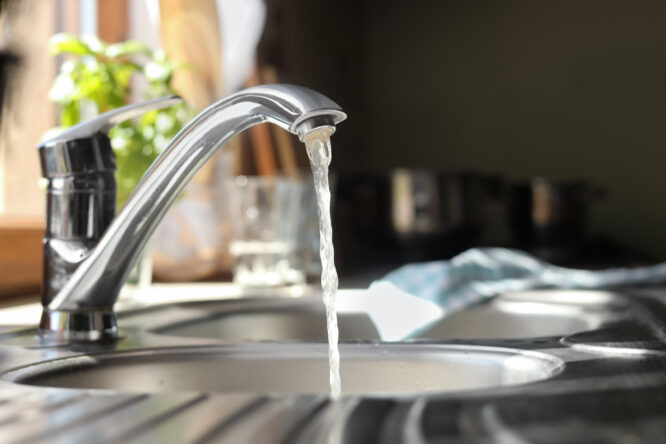
It’s an unsettling thought, and plenty of people are understandably concerned about how much of this junk is building up inside us day after day. Filters and specialist purifiers can cost a pretty penny, but scientists have stumbled across a remarkably straightforward way to clear a lot of it out before you take a sip. It turns out that boiling your tap water and pouring it through a basic coffee filter traps a surprising amount of these tiny particles.
The best part is that you don’t need any expensive gadgets or complicated chemistry to do it; just a standard kettle and a couple of bits already sitting in your kitchen cupboards.
What are microplastics?
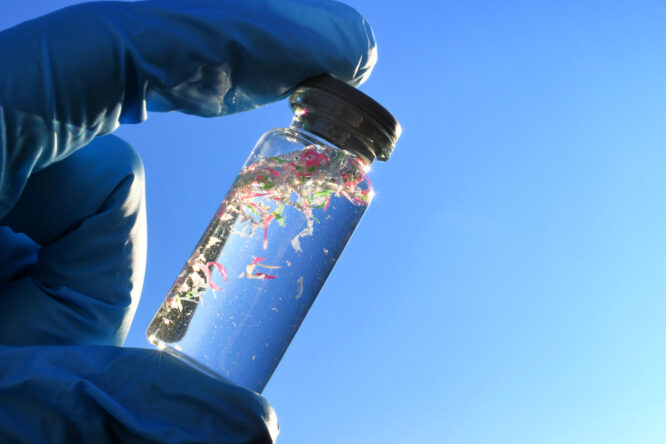
Microplastics are tiny bits of plastic, often too small to see. Even smaller pieces are sometimes called nanoplastics. They come from everyday items such as clothing, kitchen utensils, packaging, and beauty products as they slowly wear down.
Because plastic doesn’t break down fully, these tiny pieces build up in the environment over time. Billions of tonnes of plastic have been made since it was first invented. Much of it has gradually crumbled into a fine dust that now spreads across the planet.
Unfortunately, they end up in our water on a regular basis.
Water treatment works remove a lot of these tiny plastics, but not all of them. Some pieces are small enough to slip through. That means small amounts can end up in the water that comes out of our taps. In the UK, tap water is checked regularly and must meet strict safety standards. However, there are no specific limits on microplastics yet. Scientists are still learning about how much we’re exposed to and what it might mean for our health.
The boiling discovery could be a game-changer.
In a lab study published in Environmental Science & Technology Letters, researchers added tiny plastics to samples of tap water, then boiled the water and strained it. They tested both hard water, which is rich in minerals, and soft water. Boiling and straining removed a large share of the plastic in both types. In the hardest water, up to 90% of the tiny plastics were removed. In soft water, around a quarter were taken out. Even that smaller amount could make a difference over time.
Hard water works better.
Hard water contains lots of natural minerals, mainly chalk. When it’s heated, some of that chalk separates out and forms limescale, the white crust you often see inside kettles. As it forms, it traps tiny bits of plastic inside it.
The more minerals the water has, the more limescale forms, and the more plastic gets caught. That’s why hard water gave the best results. In the UK, much of southern and eastern England has hard water, while Scotland, Wales, and north-west England tend to have softer water.
How to try it at home
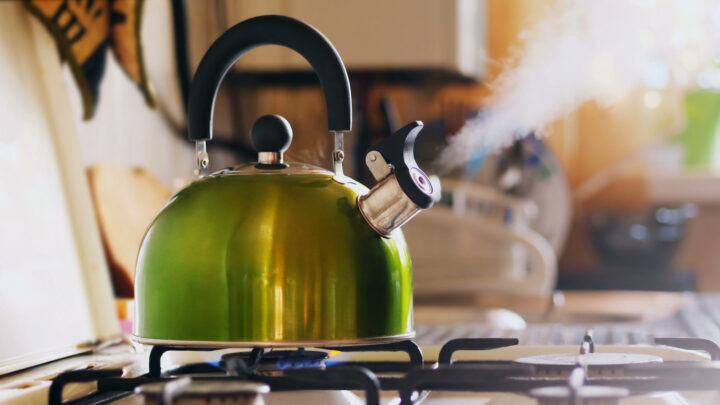
Boil your tap water in a kettle or pan as normal and let it cool down. Then pour it through a fine strainer, such as a stainless steel tea strainer or a fine mesh sieve. This catches the bits of limescale, along with the plastic trapped inside. You can then use the water for drinking or keep it in a clean glass jug in the fridge. Descaling your kettle regularly will stop limescale building up inside it. This simple routine fits easily into everyday life.
There’s a lot we still don’t know.
This research was carried out in a lab, so more studies are needed to see how well it works in real homes. Scientists also want to test it on many more water samples. It’s a promising start rather than a final answer. Experts aren’t yet sure exactly how harmful microplastics are to our health. Some research has linked them to changes in the helpful bacteria in our gut. Until more is known, many people prefer to reduce their exposure where they easily can.
There are other ways to cut down on microplastics worth incorporating into your daily routine.
Try not to heat food in plastic containers in the microwave, as heat can cause tiny pieces of plastic to break off. Use glass or ceramic dishes instead. Avoid leaving plastic water bottles in hot places, such as a car on a sunny day.
Washing synthetic clothes, such as polyester and fleece, releases tiny fibres, so wash them less often and on cooler, shorter cycles. Dust in our homes can also contain microplastics, so regular vacuuming and airing rooms can help. Small changes like these can add up over time.
Boiling is also a simple step that certainly can’t harm.
Boiling and straining your tap water is cheap, easy and uses things most people already own. It won’t remove every tiny bit of plastic, but it could cut down the amount you take in. For many households, it’s a simple habit that offers peace of mind.
There’s no need to worry about drinking tap water in the UK, as it’s among the safest in the world. If you’d like to reduce microplastics further, boiling and straining is one easy option. Combined with a few other simple changes, it could help lower your everyday exposure to plastic.