If you’ve been checking your bank balance with a bit of a grimace lately, you’re not alone.
We’ve officially hit “Awful April,” that lovely time of year when the UK government and utility giants decide to synchronise-swim through our wallets. Between the ongoing fallout from the Middle East conflict pushing up mortgage rates and the standard start-of-the-tax-year hikes, the average household is looking at an extra £214 in essential bills.
While there’s a bit of a breather thanks to a dip in energy costs (for now) and the end of the two-child benefit cap, most of us are still facing a massive squeeze. Here’s the lowdown on what’s going up and how you can actually fight back.
The council tax jump
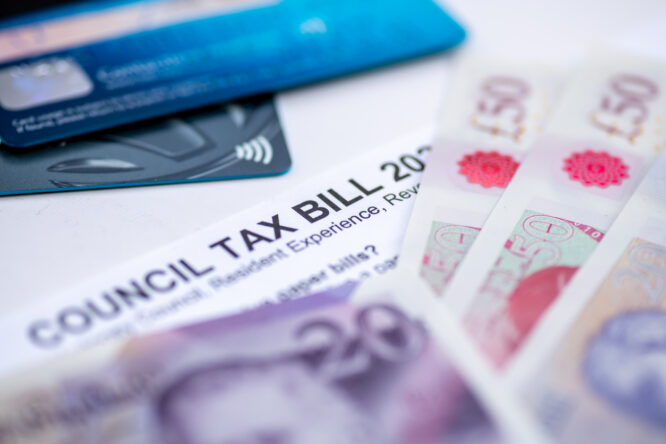
This is the big one, accounting for more than half of the total increase for most people. Most households in England and Wales are seeing a 5% rise, which adds about £111 to a typical Band D bill. Some areas are getting hit even harder; if you’re in Shropshire or North Somerset, you’re looking at hikes closer to 9%. Over in Scotland, some councils have pressed the button on double-digit increases, while Northern Ireland’s domestic rates are rising by up to 4.5%.
What you can do about it

Check immediately if you’re eligible for a single-person discount or a low-income reduction through your local authority’s website. Most councils spread the bill over 10 months by default, but you can ask to stretch it to 12 months to make the monthly hit a bit smaller and more manageable. You can also challenge your property band if you think it’s wrong, but be careful as this can result in your bill going up if the valuation office decides you’ve been undercharged for years.
Broadband and mobile “pounds and pence”

The way providers hike prices has changed, but it hasn’t necessarily made them cheaper. Companies like BT, EE, and Virgin Media are now using set “pounds and pence” increases, such as £4 extra for broadband and £2.50 for mobile. While it’s more predictable than the old inflation-linked percentages, it actually hits people on cheaper deals the hardest. On an average tariff, this represents a jump of over 11.1% for broadband and 13.4% for mobile, making it a much larger share of your total bill than it was last month.
What you can do about it

If you’re out of contract, you have the power to move. Call up and haggle or switch to a provider like Trooli or YouFibre that doesn’t do mid-contract hikes. Some big names like Vodafone and Virgin Media are even offering price freezes until 2027 for those who switch before the April deadline. If you’re still mid-contract, you’re likely stuck with the hike for now, so set a calendar alert for the day your deal ends so you don’t stay on a “zombie” tariff a second longer than you have to.
The rising cost of water

Water bills in England and Wales are going up by an average of £33, but where you live makes a huge difference. Severn Trent customers are seeing a 10% jump, while Thames Water is only nudging prices up by 0.4% after a massive 31% hike last year. Scottish Water is also upping its rates by about 8.7%, adding £42 to the average annual bill for households across the border.
What you can do about it
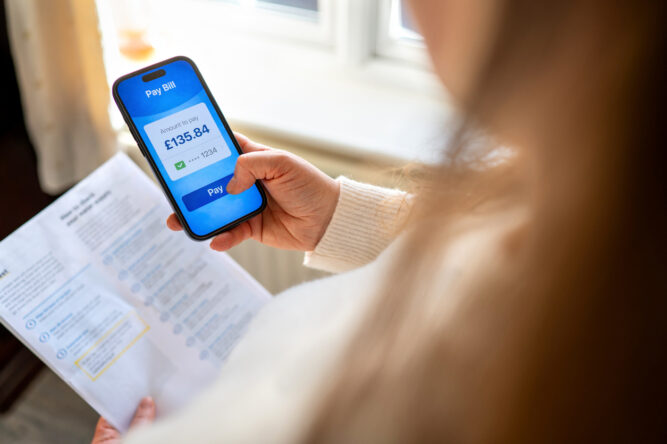
If you’re on an unmetered bill, use the calculator on the Consumer Council for Water website to see if switching to a meter would save you cash. If a meter isn’t possible, ask for an “assessed charge” based on your property size instead of the old rateable value. Low-income households should also ask their provider about social tariffs, which can significantly cut the cost if you’re struggling to keep up with payments. In Scotland, your council tax discount should automatically trigger a water discount, but it’s worth checking your bill to make sure it’s been applied.
Passport application hikes
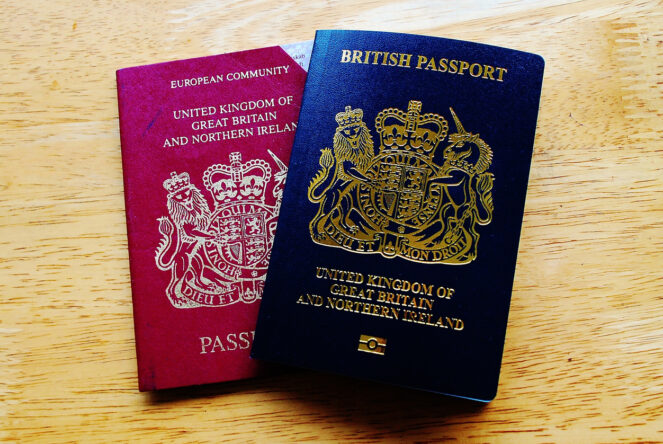
For the first time ever, an online adult passport is going to cost more than £100. From 8 April, the price jumps from £94.50 to £102, while a standard child application is going up to £66.50. If you still prefer the paper route, postal applications are rising to £115.50 for adults. Even the premium one-day service isn’t safe, jumping up to nearly £240.
What you can do about it

If your passport is looking a bit tatty or is close to expiring, get that application in this week before the 8 April deadline to save yourself the extra cost. Even if it doesn’t run out for a few months, renewing now locks in the 2025 price. If you can’t get it done this week, make sure you use the online service rather than the post, as it remains the cheapest way to renew.
TV Licence increases
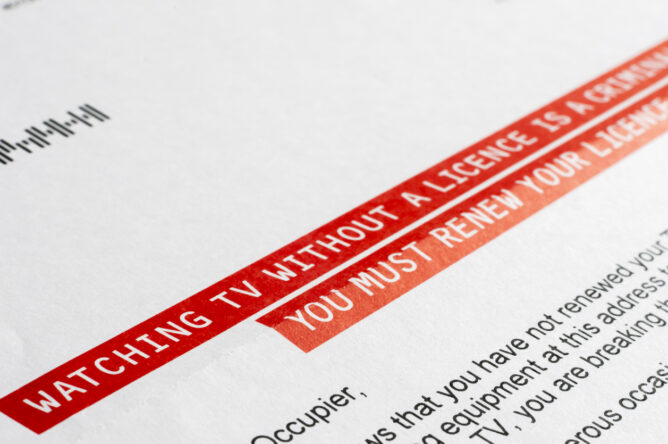
The TV licence isn’t escaping the April shuffle either, rising by £5.50 to £180 for a colour set. It’s a relatively small jump compared to council tax, but it all adds up when every single direct debit is moving at the same time. Remember that this fee is what keeps the BBC running without adverts, but it’s still a mandatory cost for most households.
What you can do about it

You only need a licence for live TV or BBC iPlayer. If you exclusively watch on-demand services like Netflix, Disney+, or All 4, you can cancel it and claim a refund for any full months left on your current licence. Support for those in severe financial difficulty is also available, and there are still free licences for over-75s who are on pension credit.
Car Tax (VED) adjustments
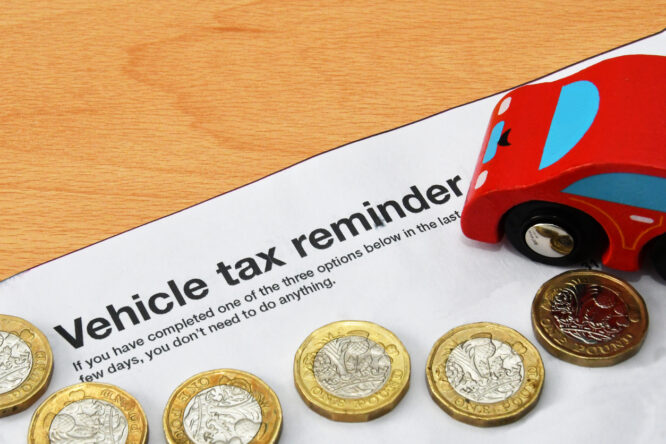
Vehicle Excise Duty (VED) is going up in line with inflation, meaning most drivers will pay an extra £5 as the standard rate hits £200. Crucially, the long-running exemption for electric cars has finally ended, so EV owners now have to pay up just like everyone else. If your car cost more than £40,000 when new, you might also be hit by the “expensive car supplement” which adds another £425 to your yearly total.
What you can do about it

Check if you’re eligible for any exemptions, such as for cars used by a disabled person or classic cars built before 1985. You have to apply for these exemptions through the DVLA rather than just assuming they apply. If you’re hit with the expensive car supplement, remember this only applies for the first 5 years of the car’s life, so check your vehicle’s age to see if you’re finally due to drop back down to the standard rate.
Stamp price surges
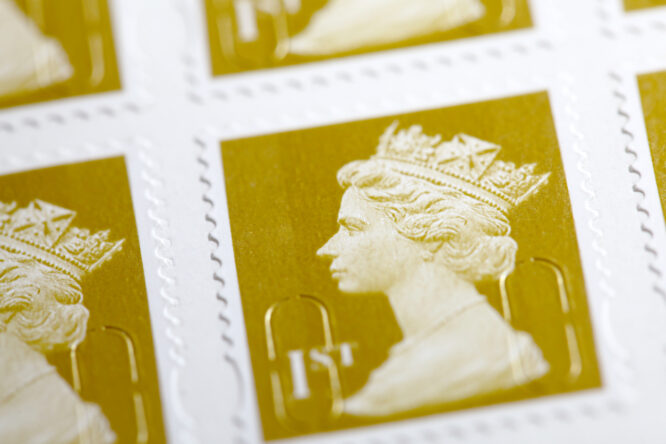
Royal Mail is hiking the cost of stamps again on 7 April, and it’s a bit of a shocker for anyone who still relies on the post. A first-class stamp is rising by 10p to £1.80, which is a staggering 137% increase since 2020 when they cost just 76p. Second-class stamps are also moving up by 4p to 91p, nearly reaching what a first-class stamp cost just a few years ago. This comes at a time when Ofcom has actually lowered delivery targets, meaning you’re paying more for a service that is officially allowed to be slower.
What you can do about it
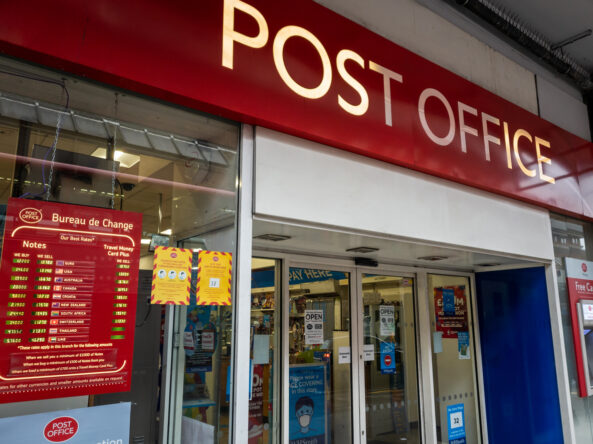
The solution here is simple: stockpile them now. As long as the stamps have the “1st” or “2nd” symbol rather than a specific price printed on them, they’ll remain valid for use after the price jump. Grab a few books this week to dodge the increase, and make sure you’re using the new barcoded stamps, as the old non-barcoded versions are no longer valid.
Resources for managing your bills

If the “Awful April” hikes are leaving you struggling to make ends meet, there are organisations that can help you navigate the chaos. If the bill increases have pushed you into the red, StepChange offers free, confidential debt advice and can help you set up a repayment plan. Also, Citizens Advice is a brilliant first port of call for checking your eligibility for benefits, council tax discounts, or social water tariffs.
Don’t forget about the Consumer Council for Water, either. You can use their online tools to see if a water meter is right for your household and to find out about hardship funds. Finally, MoneyHelper is a government-backed service that can help you prioritise which bills to pay first and how to talk to your providers if you can’t afford the new rates.