Wedding dress shopping should be a celebratory experience, but it’s easy to get caught up in the excitement and make decisions that might lead to regret down the line.
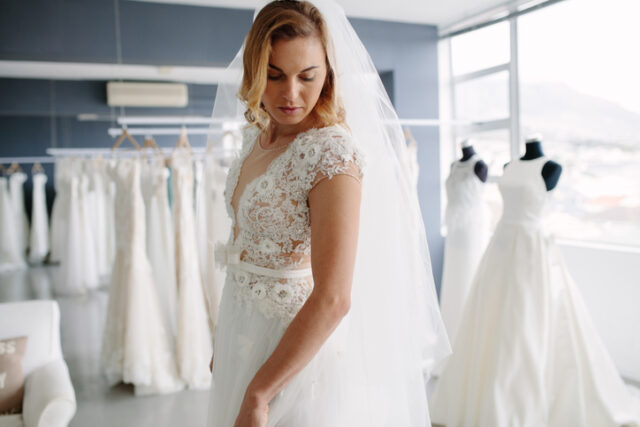
A lot of brides tend to fall into some all-too-common pitfalls when choosing their perfect gown, but the good news is that being aware of them beforehand can help avoid them altogether, and help them find the dress of their dreams.
1. Completely disregarding the budget
It’s very easy to fall into the trap of trying on a designer gown that you know is well over your spending limit, just to see what it looks like. The problem is that once you put on a dress with higher-end fabrics or intricate hand-beading, it’s almost impossible to unsee it. Falling in love with something you truly can’t afford usually leaves you feeling disappointed with every other dress that actually fits your price range.
On top of that, blowing your dress budget early on puts massive financial pressure on the rest of your wedding planning, leaving you with less money for the venue, catering, or music. Setting a strict, realistic limit before you even set foot in a boutique keeps expectations grounded and protects your bank account.
2. Bringing too many people to the fitting

Turning a dress fitting into a big social event with your entire bridal party, family members, and future in-laws sounds great in theory, but it usually turns into a chaotic afternoon. Everyone has their own distinct taste in fashion, and when you have six or seven different people voicing their thoughts all at once, your own voice gets lost.
You might find yourself trying to please your mum’s preference for tradition while balancing your friends’ desire for something modern, leaving you confused about what you actually like. Keeping your entourage limited to two or three people who understand your personal style and know how to give constructive, calm feedback makes for a far more focused and pleasant experience.
3. Shopping too early or too late
Timing is everything when it comes to ordering a wedding dress, and getting it wrong on either end of the spectrum creates unnecessary stress. If you buy your dress two years before the wedding, you run a serious risk of your tastes changing, new seasonal trends coming out, or your body shape changing in the meantime.
On the flip side, waiting until three or four months before the big day puts you in a tight spot. Most standard gowns take between four and six months to be made and delivered, plus another couple of months for alterations. If you leave it too late, you’ll be forced to pay rush fees or choose strictly from off-the-rack sample options. Aiming for that 9 to 12-month window gives you the widest range of options without leaving room for second thoughts.
4. Ignoring body type and personal style
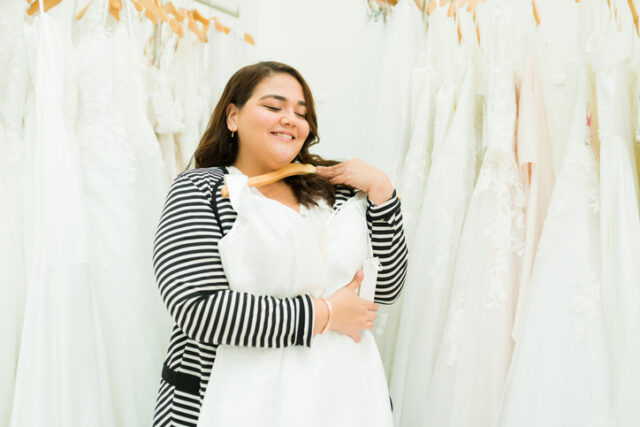
It’s easy to look at pictures on social media or in bridal magazines and assume a specific style will look just as good on you as it does on the model. However, wedding dresses are constructed very differently from everyday clothing, and silhouettes that look great in professional photos might not suit your natural frame or make you feel like yourself.
If you’re someone who usually prefers simple, clean lines and basic comfort, wearing a heavy, structured ballgown with multiple layers of petticoats is going to make you feel like you’re wearing a costume. It’s much better to choose a silhouette that works with your body shape and aligns with your everyday personal style so you feel confident and comfortable all day long.
5. Forgetting to consider the venue and wedding theme
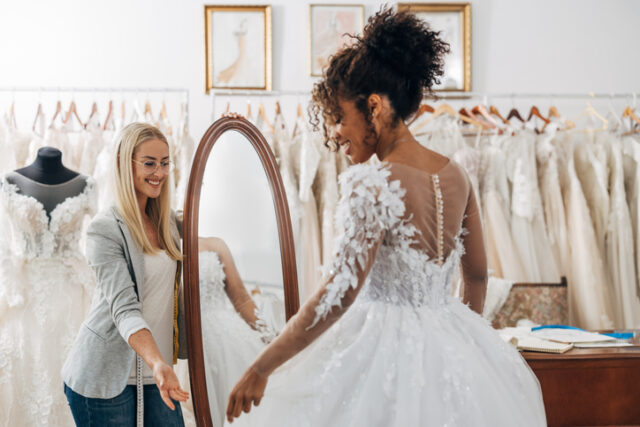
A wedding dress shouldn’t be picked out without considering where and when the wedding is actually taking place. The practicalities of your venue play a huge part in how your dress will look and function throughout the day. For instance, a gown with a long, heavy train and dozens of delicate layers is going to pick up sand, twigs, and dirt if you’re getting married outdoors on a beach or in a field.
Similarly, a very light, informal sun-style dress might feel a bit out of place if you’re holding a traditional ceremony in a large, formal church. Keeping the location, weather, and general theme in your mind while shopping ensures that your dress feels like an organic part of the day rather than an afterthought.
6. Not thinking about about comfort
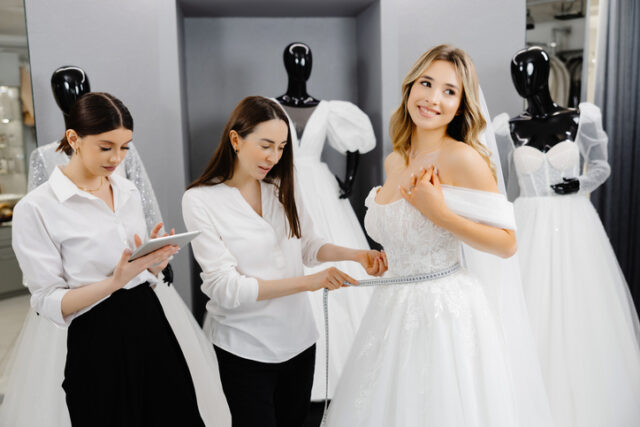
It’s easy to sit in a fitting room for 10 minutes feeling fine, but remember that you’ll be wearing your wedding dress for anywhere between 10 and 15 hours on the day. You need to be able to walk up stairs, sit down comfortably during the wedding breakfast, reach up to hug guests, and move around on the dance floor.
If a dress has scratchy lace under the arms, boning that digs into your ribs every time you sit down, or a skirt so heavy that it drags you down, those minor annoyances will turn into major problems by mid-afternoon. When you try on a gown, don’t just stand still in front of the mirror; walk around the shop, sit down in a chair, raise your arms, and make sure you can actually function in it.
7. Failing to consider alterations in the budget
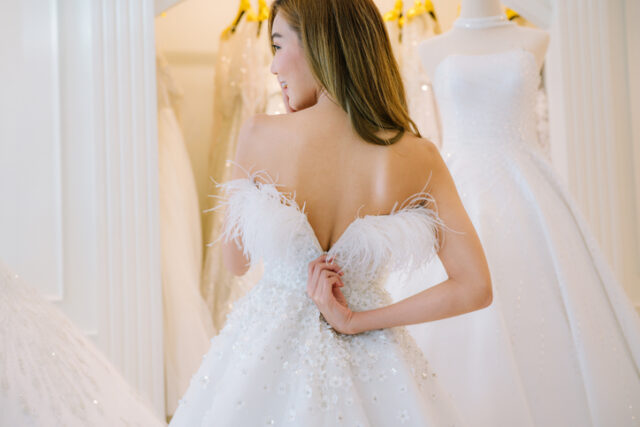
A lot of brides set aside a specific amount for their dress—say, £1,500—and spend every single penny of it on the off-the-shelf gown, forgetting that professional tailoring is an extra cost. Unless you happen to be the exact height and proportions of the shop’s mannequin, your dress will need to be altered to fit you properly.
Standard alterations usually involve taking in the bust or waist, shortening the hem, and adding a bustle so you can lift the train up for the evening. Depending on the complexity of the fabric, lace, and boning, alterations can easily cost a few hundred pounds extra. Always ask the boutique for an estimated tailoring cost beforehand so you can factor it into your overall budget.
8. Choosing a dress based on planned weight loss
Ordering a wedding dress in a size smaller than you currently are because you’re planning on going on a strict diet or fitness regime before the wedding is one of the most stressful mistakes you can make. Life happens, schedules get busy, and if you don’t hit that specific goal weight, you’re left with a dress that simply won’t zip up a month before your wedding.
It’s much easier and cheaper for a seamstress to take a dress in by a size or two than it is to try to let it out when there isn’t enough fabric in the seams. Always buy the dress that fits the body you have right now, and let the seamstress take it in later if you do end up losing weight.
9. Not taking photos during fittings

When you’re trying on five or six different gowns in a single appointment, they all start to look the same in your memory by the time you drive home. Details like the exact shade of ivory, the shape of the back, or how the train spreads out get fuzzy very quickly. Assuming the boutique allows it, ask someone in your group to take clear photos and short videos of you in each option from the front, side, and back.
Make sure they take photos in natural light if possible, rather than just under the heavy shop spotlights. Looking back at those photos a few days later with a fresh pair of eyes helps you evaluate the options objectively without the high emotion of the fitting room.
10. Purchasing a dress online without trying it on

Buying a wedding dress from an online retailer can look like a brilliant way to save money, but it comes with big risks. Photos on websites are often heavily edited, pinned, or tailored specifically for the shoot, meaning the actual item that arrives in the post can be very different in terms of fabric quality, colour, and overall cut.
Cheap synthetic fabrics often lack the structure needed to hold a bridal silhouette, and the sizing charts can be inconsistent. Unless you’re buying from a reputable brand with a solid, clear return policy, buying sight unseen often ends up costing more in emergency alterations or replacement dresses down the line.
11. Ignoring the importance of proper undergarments
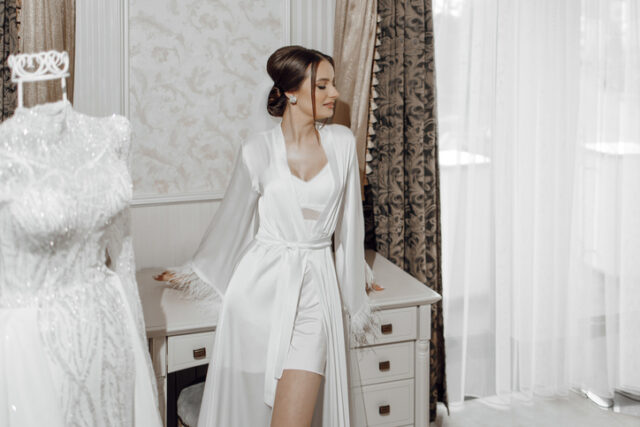
The undergarments you wear to your dress fittings have a massive impact on how the gown actually sits and shapes your body. If you turn up to a boutique wearing a dark, padded T-shirt bra or basic seamless underwear, it can really distort the line of the dress, show through thin fabrics, and give you an inaccurate picture of the fit.
Before you start shopping, invest in a good strapless bra, seamless nude underwear, or whatever shapewear you intend to wear on the actual day. Wearing the right foundation garments to your appointments means the dress will sit properly from the moment you step into it.
12. Rushing the decision due to pressure or a sale

Sales staff are there to close deals, and sample sales are designed to create a sense of urgency, but rushing into a purchase because of a limited-time discount or a pushy sales pitch is a classic recipe for buyer’s remorse. A wedding dress is a significant financial and emotional purchase, and you should never feel forced to make up your mind on the spot.
If you feel torn, overwhelmed, or pressured, thank the staff, step out of the shop, and go have a coffee or sleep on it for a day or two. If it’s genuinely the right dress for you, you’ll still feel confident about it once the initial excitement of the fitting room has cooled down.
13. Forgetting to consider how the dress will look in photos
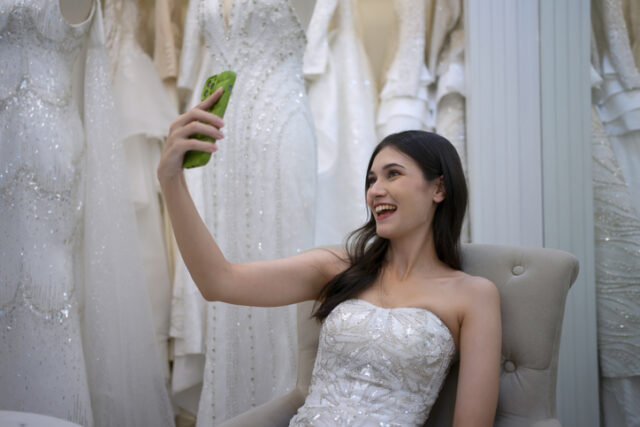
You’ll be looking back at your wedding photos for decades to come, so it’s worth considering how your dress translates through a camera lens. Certain fabrics, like high-shine satins, can reflect camera flashes awkwardly, while heavy, complex lace patterns can sometimes look busy or distorted in still shots.
Additionally, some cuts look striking when you’re standing still in front of a mirror, but lose their shape as soon as you start moving around naturally. Asking a friend to take a few test photos using a normal smartphone camera with and without flash gives you a good idea of how the dress will perform in your final wedding album.