As overnight temperatures start dipping below freezing, many drivers face the familiar morning battle with a thick layer of ice across the windscreen.

When you’re already running behind schedule and shivering on the doorstep, starting the engine, cranking up the heater, and ducking back inside for a warm brew feels like the most sensible shortcut in the world. Unfortunately, that convenient morning habit comes with a couple of nasty catches that can ruin your week before you’ve even pulled out of the street.
Leaving your engine idling unnecessarily on a public road breaks Highway Code rules and can land you with an on-the-spot fine, while walking away from an unlocked, running car hands opportunist thieves the easiest getaway imaginable. Even worse, insurers regularly refuse to pay out if your car gets pinched with the keys still in the ignition.
The Highway Code actually has a specific rule about this.
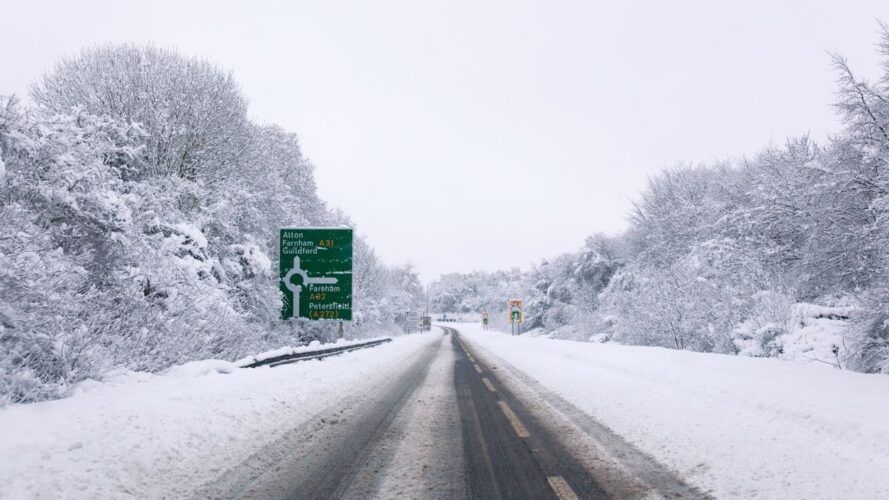
The Highway Code says drivers must not leave their engine running unnecessarily while their vehicle is parked on a public road. You also mustn’t leave a vehicle unattended with the engine running. These rules are there to cut pollution and noise, as idling engines release harmful fumes into the air. They apply to public roads, so leaving your car running on the street outside your home is covered.
You could be fined for breaking the rule.

In England, councils can issue a £20 fixed penalty to drivers who leave their engine running unnecessarily, which rises to £40 if it isn’t paid within 28 days. In most areas, you’ll only be fined if you refuse to switch off your engine when asked by an officer. Some councils use a different type of penalty charge, starting at £40 and rising to £80 if it isn’t paid within 14 days. In more serious cases, drivers who are taken to court could face a fine of up to £1,000.
Higher fines are issued in Wales.

Drivers in Wales now face much bigger penalties for idling. From 30 September 2026, the old £20 fine has been replaced with a range of £75 to £150, set by each local council. The Welsh Government says the higher fines reflect the harm that air pollution causes to people’s health. Other parts of the UK could follow with similar changes in future.
The risk of theft is high.

Leaving your car running while you go back indoors gives thieves the perfect opportunity to simply drive away. This can happen in just a few seconds, even if you’re only gone for a moment. If your car is stolen while the keys are in it and the engine is running, your insurer may refuse to pay out. That could leave you without a car and facing a huge bill, all to save a few minutes of scraping.
It may not save time anyway.
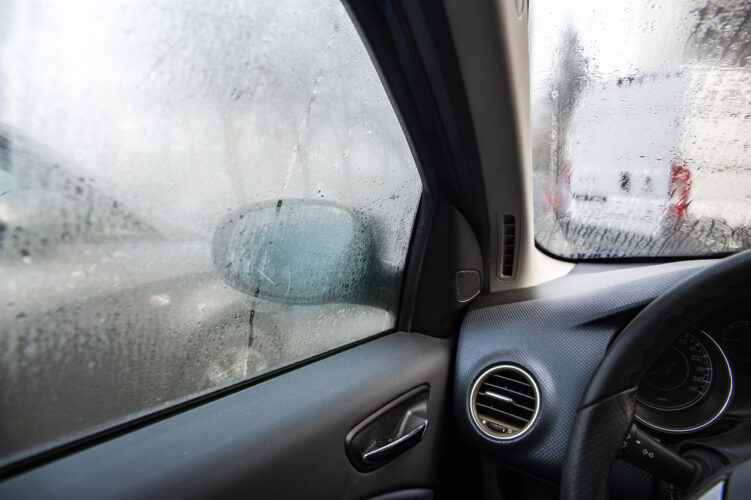
A cold engine can take several minutes to produce enough heat to clear a frozen windscreen. In that time, you could have cleared the ice yourself with a scraper and de-icer. Running your engine without driving also uses fuel and adds wear to the engine. Most modern cars warm up faster once you start driving gently.
How to de-ice your car safely
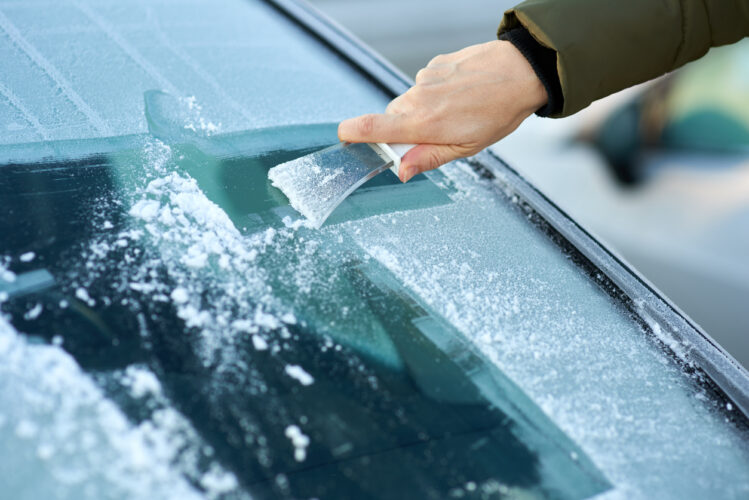
Use an ice scraper and a de-icer spray to clear your windscreen, windows, and mirrors. Never pour boiling water on your windscreen, as the sudden change in temperature could crack the glass, and water can quickly refreeze on the ground and windows. Covering your windscreen overnight with a windscreen cover or an old towel can save time in the morning. Parking in a garage or under shelter, if you can, will also help stop frost from forming.
Make sure you can see clearly.
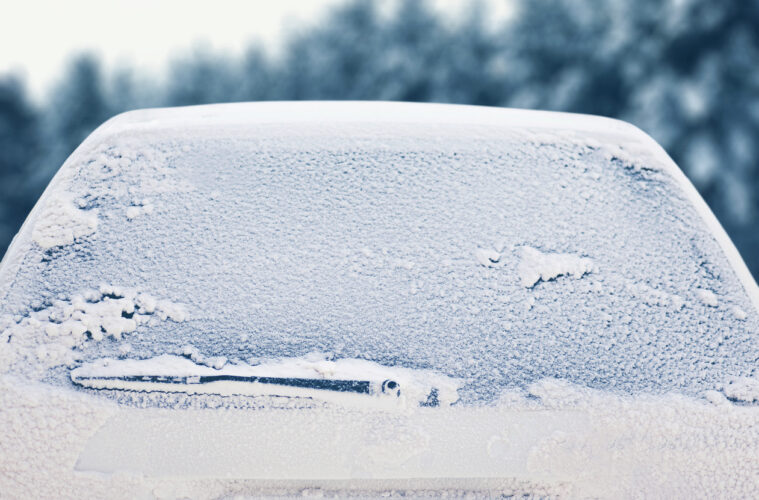
Before setting off, make sure every window is completely clear of ice, frost and condensation, as the Highway Code says you must be able to see out of every window. Clear your lights, number plates and mirrors too, so other drivers can see you. If there’s snow on your roof, brush it off before driving, as it can slide onto your windscreen or blow into the path of other vehicles. Driving without a clear view could lead to a fine and penalty points, and it puts you and other road users at risk.