November is Mouth Cancer Action Month, and the Oral Health Foundation is urging everyone to learn the signs of mouth cancer and check their mouth regularly.

The charity says cases have risen sharply over the past decade, with NHS England figures showing 9,673 people were diagnosed in 2024, up from 6,908 in 2014. That’s a rise of around 40%, or roughly 26 new diagnoses every day. Spotting mouth cancer early can make a big difference to treatment and survival, so here are the signs to look out for, and how to check your own mouth in under a minute.
The Oral Health Foundation is raising awareness for what is a very serious disease.

Mouth cancer can affect the lips, tongue, gums, cheeks, the roof, and floor of the mouth, as well as the tonsils and the throat. Many people don’t know what to look for, and some put off seeing a dentist or GP about symptoms that don’t seem serious.
The Oral Health Foundation says catching mouth cancer early can boost survival chances from around 50% to as high as 90%. Its message this month is to “be mouthaware”, by knowing the signs and getting anything unusual checked quickly.
The main signs to look out for

According to the NHS, the most common symptoms of mouth cancer include a mouth ulcer that lasts more than three weeks, a red or white patch inside your mouth, and a lump inside your mouth or on your lip. Other signs can include pain inside your mouth, difficulty swallowing, difficulty speaking or a hoarse voice that doesn’t go away, a lump in your neck or throat, and losing weight without trying. Having one of these symptoms doesn’t mean you definitely have mouth cancer, but it’s important to get it checked.
Ulcers that don’t heal

Most mouth ulcers are harmless and clear up on their own within a week or two. They can be caused by biting your cheek, a sharp tooth, stress, or feeling run down. An ulcer that lasts longer than three weeks, though, should always be looked at by a dentist or GP. The same goes for one that keeps coming back in the same place, or one that isn’t painful but just doesn’t heal.
Red and white patches

Red or white patches on the gums, tongue, or the lining of the mouth can sometimes be an early warning sign. A white patch is known as leukoplakia, and a red patch as erythroplakia. These patches aren’t always cancer, but some can turn into cancer over time if they’re not treated. That’s why a dentist or doctor will want to check any patch that doesn’t go away.
How to check your mouth in 45 seconds

The Oral Health Foundation says a self-check takes around 45 seconds and could save your life. Stand in front of a mirror in good light and look at, and gently feel, your lips, gums, the inside of your cheeks, your tongue, including underneath and the sides, and the roof and floor of your mouth. Then feel your neck and under your jaw for any lumps or swelling. Get to know what’s normal for you, and check once a month so you’ll spot any changes early.
Who’s most at risk?
Anyone can get mouth cancer, but the risk increases with age. The NHS says most people are diagnosed between the ages of 66 and 70, and the Oral Health Foundation says more than eight in ten cases are in people over 55. Men are around twice as likely as women to be diagnosed. But mouth cancer can affect younger people too, partly because of the link with the human papillomavirus (HPV), so it’s important not to ignore symptoms at any age.
What increases your risk

Smoking is the biggest risk factor, with the Oral Health Foundation linking around two in three mouth cancers to tobacco. Chewing tobacco, betel nut, and paan also greatly increase the risk. Drinking a lot of alcohol is another major cause, and the risk is much higher for people who both smoke and drink. Other risk factors include HPV infection, too much sun on the lips without protection and a weakened immune system.
How to lower your risk

The NHS advises stopping smoking and stopping chewing tobacco, betel nut or paan. It also recommends cutting down on alcohol and not drinking more than 14 units a week, spread over three or more days. Eating a healthy diet with plenty of fruit and vegetables can help, as can using a lip balm with SPF when you’re out in the sun. The HPV vaccine, offered free to children at school, also helps protect against some mouth and throat cancers.
Regular dental check-ups can go a long way towards catching any warning signs early.
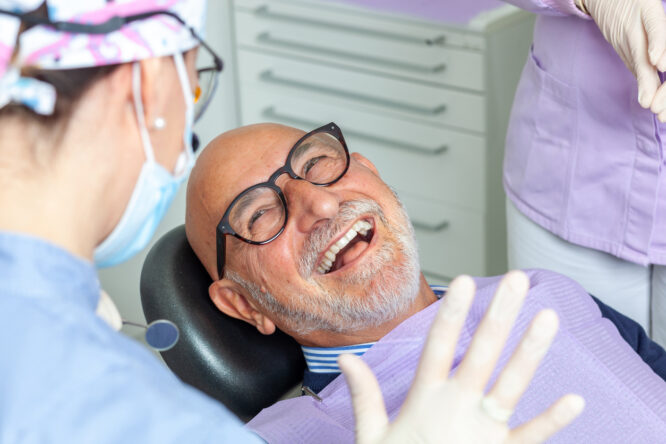
Your dentist checks for signs of mouth cancer at every routine check-up, even if you don’t notice them doing it. They’ll look at your whole mouth and may feel your neck and jaw. If you haven’t seen a dentist for a while, it’s worth booking an appointment. If you’re worried about a symptom, you can also see your GP, who can refer you for tests if needed.
Get it checked if you have any concerns.
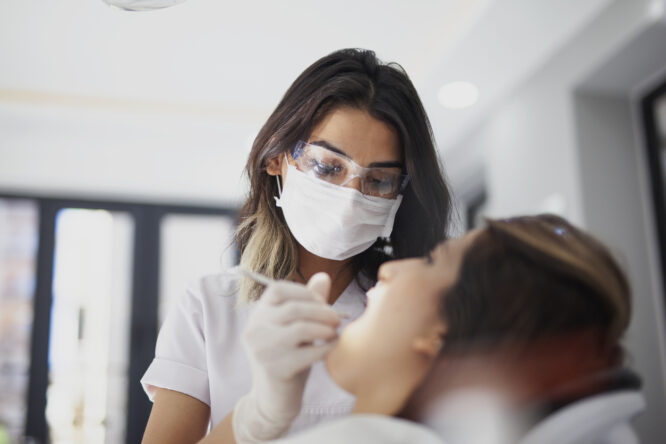
If you notice an ulcer that hasn’t healed in three weeks, a red or white patch, a lump or any other change in your mouth, don’t wait. Book an appointment with your dentist or GP and explain what you’ve noticed. Most of the time, it won’t be cancer, but if it is, finding it early gives you the best chance of successful treatment. The Oral Health Foundation‘s advice this November is simple: know the signs, check your mouth and get anything unusual looked at.