Christmas dinner can be one of the most stressful meals of the year to cook, with lots of different dishes all needing to be ready at the same time.
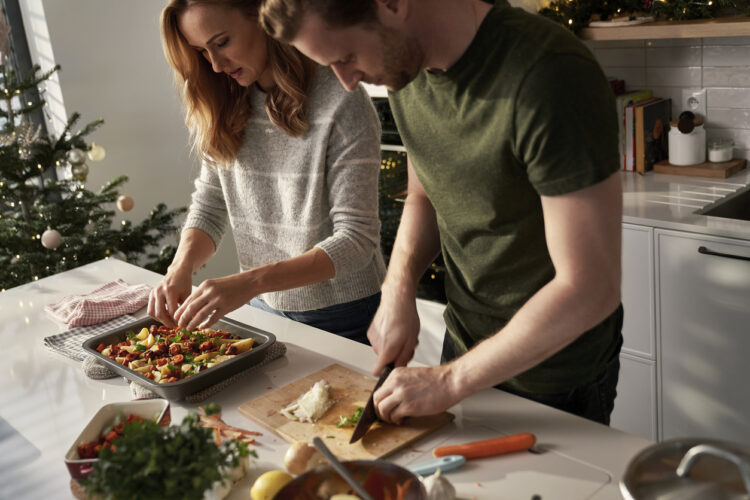
One of the easiest ways to take the pressure off is to make some of it now and freeze it. Many of the trimmings, from gravy and stuffing to red cabbage and roast potatoes, freeze really well and can go straight from the freezer to the oven or hob on the day. Here’s what you can make ahead this month, how to freeze it safely, and what’s best left until Christmas week.
Cooking ahead can help same time, effort, and stress.

Making dishes ahead means less time in the kitchen on Christmas Day, fewer pans to wash and more time with family. It also spreads the cost and effort over a few weeks, rather than leaving everything to one big shop and a long day of cooking. Most cooked dishes keep well in the freezer for around three months, so anything you make in early to mid-November will be ready in plenty of time. Making a list now of what you’ll cook ahead and what you’ll make fresh can help you plan.
Gravy
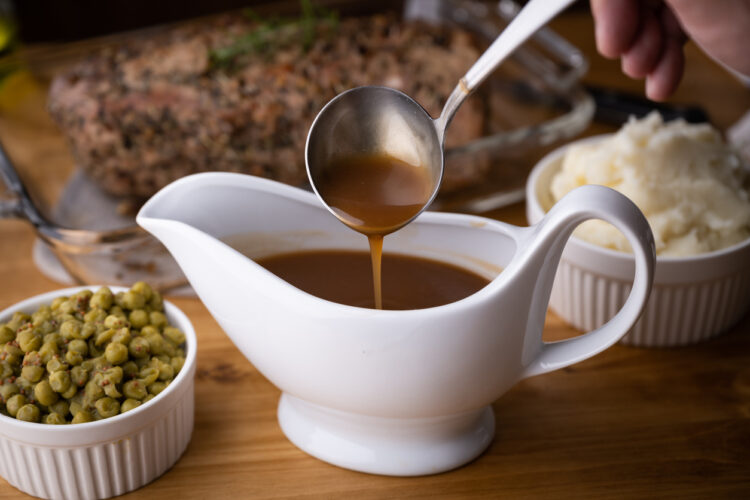
Gravy is one of the best things to make ahead. You can make a rich gravy now using chicken wings or turkey wings, roasted with onions, carrots and herbs, then simmered into stock and thickened. Once it’s cool, pour it into a freezer bag or tub, leaving a little space at the top for it to expand. On Christmas Day, defrost it in the fridge overnight, then reheat it and stir in some of the juices from your roasting tin for extra flavour.
Stuffing
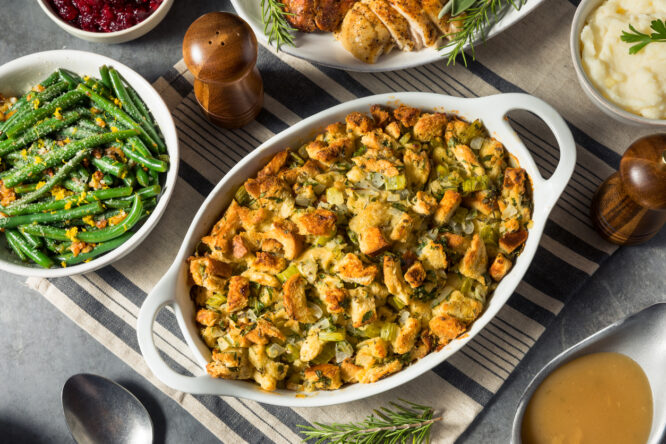
Stuffing freezes well, whether it’s a sausage meat stuffing or a vegetarian one made with breadcrumbs, onion, herbs, and nuts. Shape it into balls or press it into a dish, then freeze it before cooking. You can usually cook stuffing balls from frozen, adding a little extra time to make sure they’re piping hot all the way through. If your stuffing contains meat, check the middle is fully cooked before serving.
Pigs in blankets
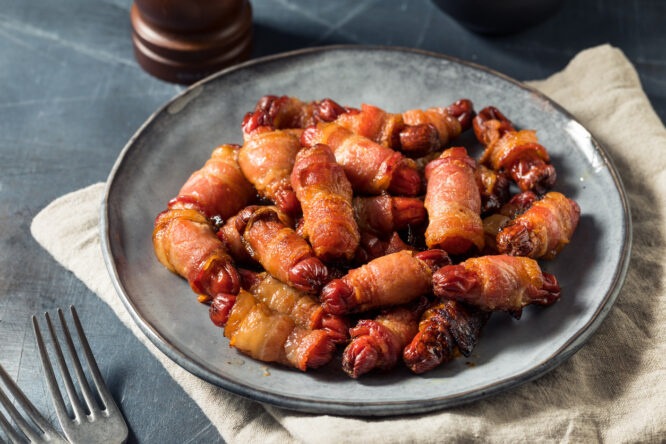
Pigs in blankets can be made now and frozen raw. Wrap each sausage in a slice of streaky bacon, lay them on a tray to freeze individually, then tip them into a bag once they’re solid. This stops them sticking together, so you can take out as many as you need. They can usually be cooked from frozen in a hot oven, as long as they’re cooked through before serving.
Red cabbage
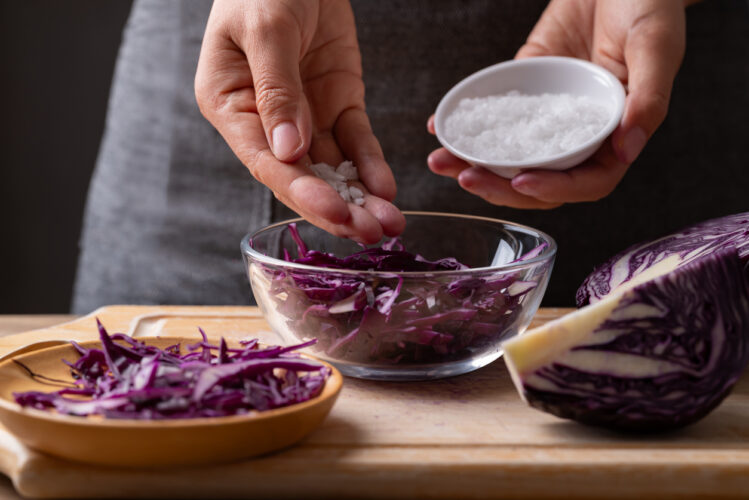
Braised red cabbage is a Christmas favourite that tastes even better when it’s made ahead. Cook it slowly with apple, onion, vinegar, sugar, and spices such as cinnamon and cloves until it’s soft and glossy. It freezes well for a couple of months. Defrost it in the fridge and reheat it gently in a pan or the microwave on the day, adding a splash of water if it looks dry.
Roast potatoes and parsnips
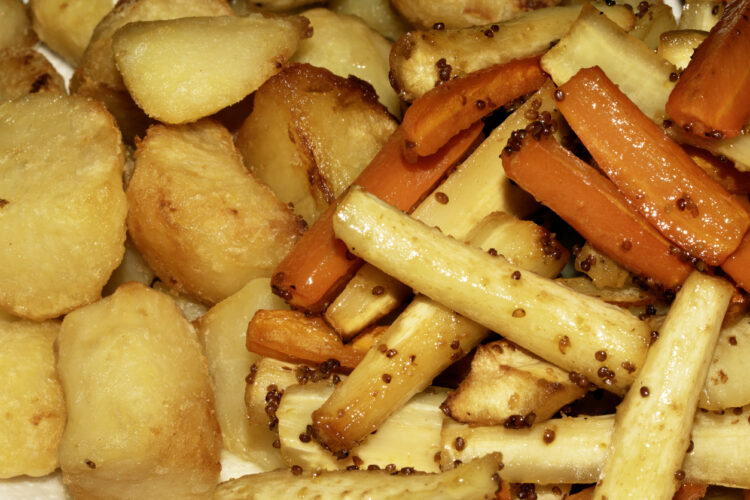
You can get ahead with roast potatoes by part-boiling them, draining them and shaking them in the pan to rough up the edges. Spread them out on a tray to freeze, then bag them once they’re frozen. On Christmas Day, roast them from frozen in hot fat, allowing a little longer than usual. Parsnips can be done the same way, with a quick part-boil before freezing, and tossed in honey or maple syrup when you roast them.
Sauces and extras
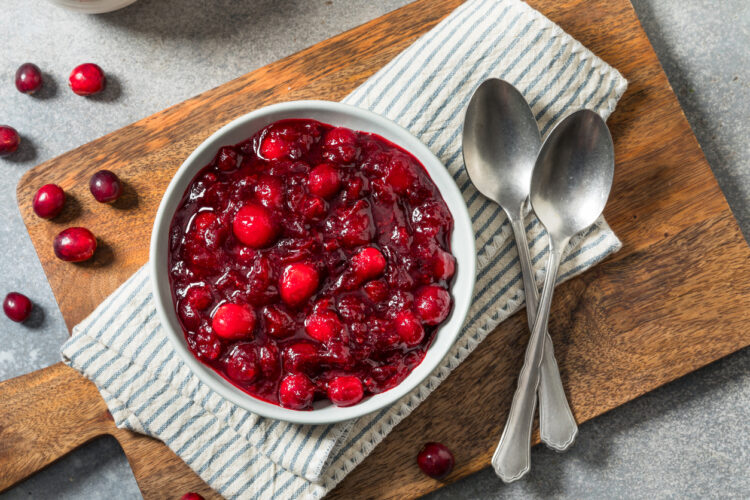
Cranberry sauce and bread sauce can both be made now and frozen. Cranberry sauce freezes especially well, and bread sauce can be reheated gently with a splash of milk to loosen it. Brandy butter can also be frozen, and Yorkshire puddings can be cooked, cooled and frozen, then reheated in a hot oven for a few minutes. If you’re making mince pies, you can freeze them unbaked and bake them from frozen.
What doesn’t freeze well
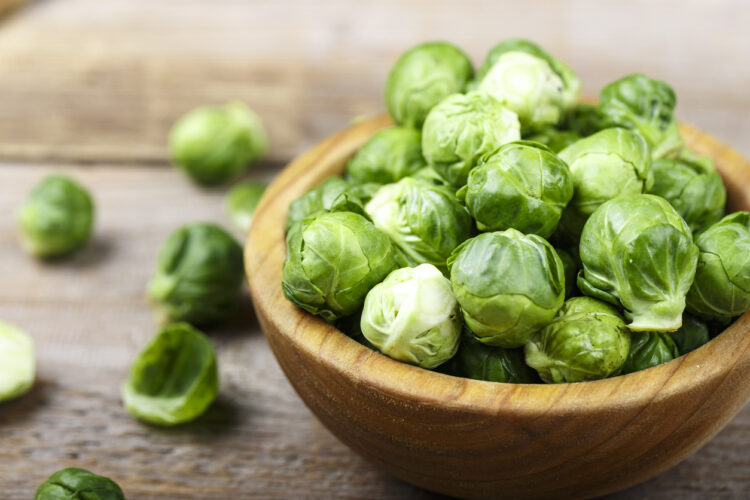
Some foods are best made fresh or close to the day. Salads, raw potatoes and anything made with mayonnaise don’t freeze well, and custard and some cream-based sauces can split when they’re defrosted. Green vegetables such as sprouts are usually better bought fresh, or bought ready-frozen, as freezing them at home can make them soft. Most desserts with fresh cream are also better made a day or two before.
How to freeze safely
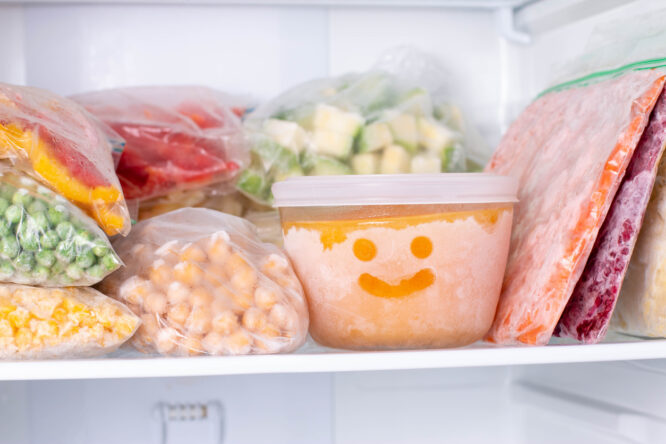
Let food cool before putting it in the freezer, but don’t leave it out for more than a couple of hours. Divide it into portions, use freezer bags or containers, and label everything with what it is and the date you made it. Defrost food in the fridge, not on the side, and make sure everything is steaming hot all the way through before you serve it. Don’t refreeze food that’s been defrosted unless you’ve cooked it in between.
Make a plan this weekend.

Pick two or three dishes to make over the next few weekends, such as gravy, red cabbage and stuffing, and check you have enough space in your freezer. Clearing out old food now will make room for your Christmas stash. Write a simple list of what’s in the freezer and what you’ll need to take out the night before Christmas. With a few dishes already made, Christmas Day should feel a lot calmer.