If you’re planning to travel by train to see family this Christmas, you’ll want to check National Rail for engineering work before you book.

Network Rail carries out a lot of its biggest repair and upgrade jobs over the Christmas and New Year period because far fewer people travel then than on a normal working week. That can mean some lines are closed for a few days, with replacement buses or longer journeys on the routes that are affected. With a bit of planning, you can find out exactly what’s happening on your route, pick the best day to travel and book the cheapest tickets.
Why so much work happens over Christmas
Christmas is one of the few times of year when the railway is quiet enough for engineers to close lines for several days in a row. Jobs such as replacing tracks, renewing bridges, upgrading signals and rebuilding stations are much easier to do when there are fewer passengers and trains.
This means the days around Christmas and New Year are often busy for work on the railway, even though they’re quiet for trains. Some routes may only be impacted for a day or two, while bigger projects can close a line for over a week.
Know when the trains stop running.
Almost no trains run on Christmas Day, and Boxing Day services are very limited, with many lines having no trains at all. On Christmas Eve, many services finish earlier than usual, so the last train home may be in the early evening rather than late at night. That means the busiest days to travel are usually the weekend before Christmas and Christmas Eve itself. If you can travel a day or two earlier, you’ll often find quieter trains and a better choice of seats.
How to check for engineering work
The easiest way to check is on the National Rail Enquiries website or app. You can look up your route on the journey planner for the date you want to travel, and any planned engineering work will show up, along with any replacement buses.
National Rail also has a page listing planned disruption across the country, which you can search by station or route. It’s worth checking your train company’s own website too, as they often give more detail about what’s changing and which trains are running.
Check again before you travel.
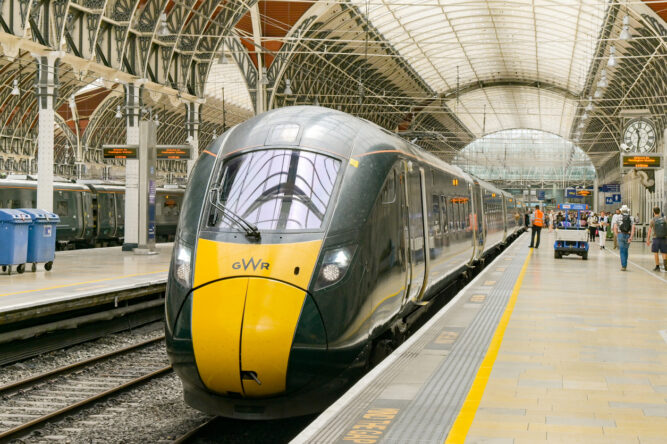
Plans for engineering work can change, and details are sometimes added closer to the time. It’s a good idea to check your journey when you book, then again a few days before you travel and on the day itself. You can sign up for journey alerts on the National Rail app or with many train companies, which will tell you if anything changes on your route. That way you won’t get a surprise at the station on the morning you set off.
Book early for the best prices.

Advance tickets are usually the cheapest way to travel, but they’re limited and tend to sell out quickly for Christmas. Train companies usually release them up to around 12 weeks before the travel date, although some routes can be later while engineering plans are confirmed.
National Rail shows when tickets for each train company are expected to go on sale, so you can check and book as soon as they’re released. Advance tickets are only valid on the train you book, so make sure the times work for you before you buy.
Use a railcard to save more.
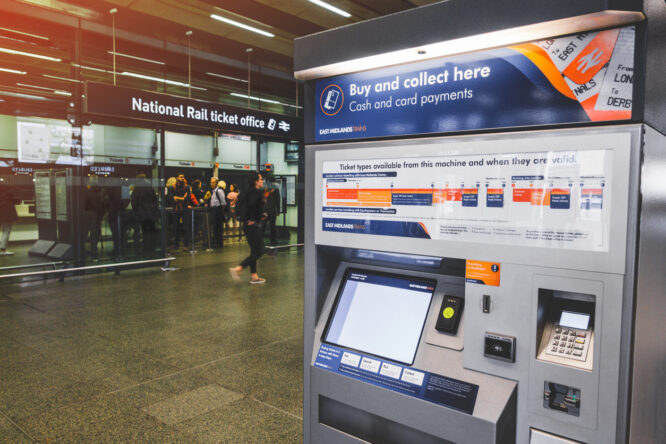
If you have a railcard, you can usually save a third on most fares, including advance tickets. There are railcards for young people, families, seniors, two people travelling together and disabled people, among others. If you’re making more than one trip over the festive period, a railcard can soon pay for itself. You can buy one online or on a train company’s app, and digital railcards are stored on your phone.
Plan around replacement buses.
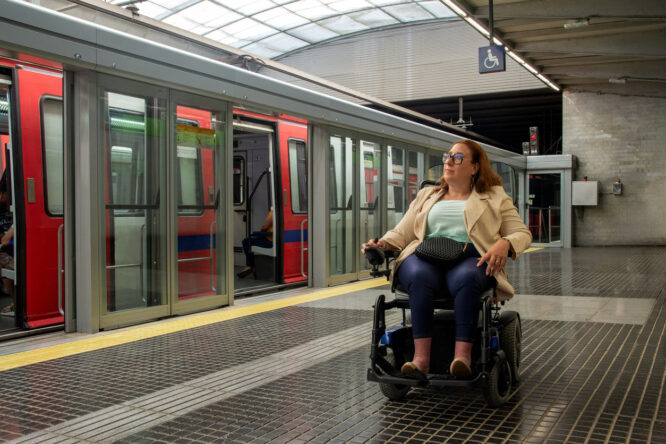
If your route has engineering work, part of your journey may be on a rail replacement bus. These usually take longer than the train, so allow extra time, especially if you have a connection to make. Buses can also have less room for large suitcases, bikes and pushchairs, so it’s worth travelling light if you can. If you have a disability or need help, contact the train company before you travel to arrange Passenger Assist.
Look at other routes.
Sometimes there’s more than one way to reach your destination, and an alternative route may avoid the engineering work completely. The National Rail journey planner will often suggest other options, and they may only add a little time to your journey. You could also think about travelling on a different day. Even moving your journey by one day can sometimes mean a direct train instead of a bus for part of the trip.
What to do if your plans change
If engineering work is announced after you’ve booked and it affects your journey, you can usually get a refund without paying a fee. Contact the retailer you bought the ticket from as soon as you can. If your train is delayed on the day, you may be able to claim compensation through Delay Repay. Most train companies pay out if you arrive 15 or 30 minutes late or more, depending on the company, so keep your ticket and claim online.
Before you book

Check your route for engineering work on National Rail, then book your tickets as early as you can. Add your railcard, sign up for journey alerts, and check again the week before you travel. Finally, if your journey is affected, give yourself extra time, pack light and look at other routes or days. A few minutes of planning now can make your Christmas trip much smoother.