Stiff fingers that take a while to loosen in the morning, knees that grumble on the stairs, and hips that complain when you climb out of the car are all things many of us put down to getting older.

For more than nine million people in the UK, they are signs of osteoarthritis, the most common form of arthritis, which makes joints sore, stiff and harder to move. It can affect work, hobbies and mood, so it’s easy to feel low about it, but there’s a lot you can do to ease the symptoms and look after your joints. Here’s what the condition entails, what causes it and what helps.
What’s going on inside the joint
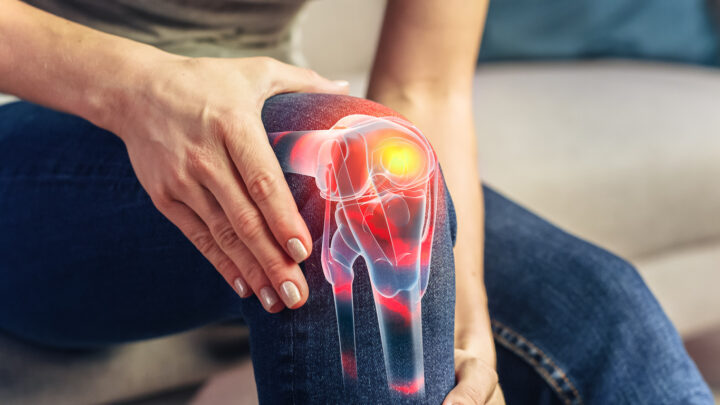
Joints are the places where two bones meet, and the ends of those bones are covered with smooth, slippery cartilage that lets them glide against each other. In osteoarthritis this cushioning layer slowly gets thinner and rougher, which makes movement stiffer and can leave the joint sore, particularly after a long day or a long spell of sitting still.
As the cartilage wears down, the tendons and ligaments around the joint have to work harder, and the area can become swollen and tender, sometimes with small bony lumps forming around the edges. Almost any joint can be affected, but the hands, hips, knees, shoulders, and spine are the usual troublemakers, and although it can begin at any age, it becomes more common the older we get.
How it differs from similar conditions

People often mix up osteoarthritis and osteoporosis, partly because the names sound alike and partly because a person can have both at the same time. Osteoarthritis affects the joints and makes them painful and stiff, whereas osteoporosis is about bones losing density and becoming more likely to break.
It’s also quite different from rheumatoid arthritis, where the body’s own defences attack the joints and cause pain and swelling, often in several places at once. Because the treatments aren’t the same, it’s sensible to see your GP and get a clear diagnosis rather than trying to work out which condition you have on your own.
The signs to look out for

The most common signs are pain, stiffness and a reduced range of movement in a joint, and many people notice that the stiffness is at its worst first thing in the morning, or after they have been sitting for a while. Some also feel swelling or tenderness, hear clicking, grating or cracking when they move, or notice that a joint looks larger or more knobbly than it used to.
Symptoms vary a great deal from person to person and even between different joints in the same person. For some they come and go and stay fairly mild, while for others they are constant enough to turn everyday jobs, such as dressing, cooking or walking to the shops, into hard work.
How it shows up in the knees, hands, and hips
When it affects the knees, walking can become painful, especially on stairs and hills, and you may find it hard to straighten your leg fully or feel that a knee might give way beneath you. Over time both knees are usually affected, unless the trouble began with an injury to just one of them.
In the hands it tends to settle at the base of the thumb, the middle joints of the fingers and the joints nearest the tips, where it can cause stiffness, swelling and bumps, and may even bend the fingers slightly sideways, which makes jobs such as opening jars, writing or turning a key much harder. In the hips it can cause pain in the groin or the outer hip, and make getting in and out of a car or putting on shoes a struggle.
Why some people get it
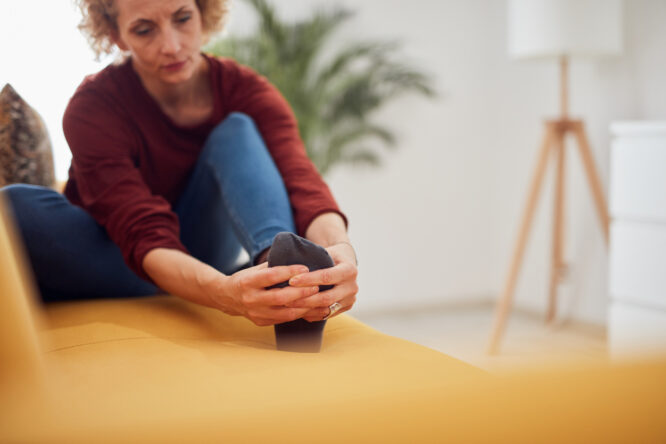
Our joints take a lot of knocks over a lifetime, from running and lifting to typing and sitting in awkward positions, and most of the time the body repairs the damage without any fuss. Osteoarthritis develops when the damage outpaces the repair and the cartilage begins to break down, which is why age is the biggest risk factor, although it’s far from the only one.
Carrying extra weight puts more strain on the hips and knees, and an old injury, such as torn cartilage or a dislocated joint, can leave a joint more prone to wear. Having another condition that affects the joints, such as gout, or having diabetes can add to the risk, and the condition can run in families. Women are affected more often than men, possibly because of the changes that come with the menopause, and jobs that involve a lot of kneeling, lifting or climbing can also take their toll.
How doctors diagnose and treat it

There’s no single test for osteoarthritis, so a GP will usually ask about your symptoms, look at the affected joints and see how well they move, and that is often enough to reach a diagnosis. Blood tests or X-rays aren’t always needed, although they may be used to rule out other causes, such as a broken bone or rheumatoid arthritis.
At the moment, there’s sadly no cure, but there are plenty of ways to reduce the symptoms. Painkillers can help, and if your symptoms are more severe, you may be offered a structured exercise plan with a physiotherapist or other treatments. It’s important to check with your GP or pharmacist before starting any medicine because what suits one person may not suit another.
Keep moving and mind your posture.
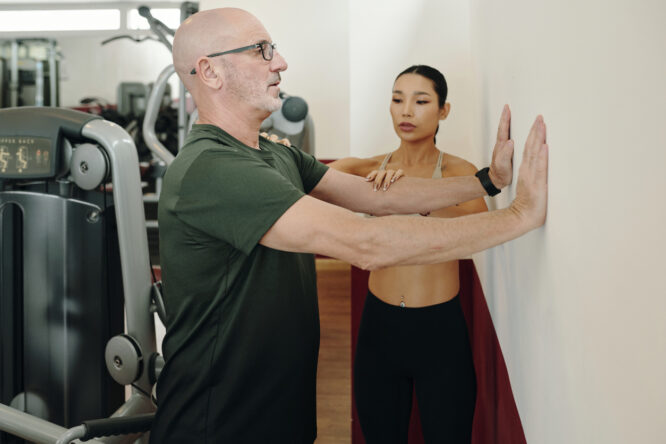
It may seem odd to move a sore joint, yet regular exercise is among the best things you can do because it eases stiffness, builds the muscles that support your joints and can reduce both pain and tiredness. Gentle, low-impact activities such as walking, swimming, cycling, stretching and light resistance work usually suit best, since they keep joints mobile without pounding them.
Posture counts too, so try not to stay in the same position for long stretches. If you sit at a desk, adjust your chair so that your feet are flat on the floor and your screen is at eye level, and get up every half hour or so to stretch and walk about. If you haven’t been active for a while, start slowly and build up, and ask your GP or a physiotherapist for advice if a particular movement hurts.
Sleep, rest, and maintain a healthy weight.

Alongside activity, your body needs time to recover, and good sleep seems to help with joint pain, perhaps because so much repair work happens overnight. Keeping regular bedtimes, avoiding caffeine in the evening and making your bedroom cool and dark can all help you rest better, and a pillow between your knees can ease sore hips if you sleep on your side.
Weight is another important factor, since every extra kilo adds strain, particularly to the hips and knees, and losing even a little can ease pain and slow wear. The most reliable route is a balanced diet combined with regular activity, and small, steady changes tend to last longer than strict diets. If you would like support, your GP, or a local weight management service can help you get started.
Food, supplements, and blood sugar also play a role.

Some foods may help to keep inflammation down and support your bones, so it makes sense to fill your plate with oily fish, nuts, olive oil, green vegetables and fresh fruit. Calcium and vitamin D matter for strong bones, and they come from dairy products, fortified foods and sunlight, so people who don’t get much of either may want to ask their GP whether a supplement would help.
There’s also a link between diabetes and osteoarthritis, probably because high sugar levels in the blood can make cartilage stiffer and more fragile, so keeping your blood sugar steady may protect your joints as well as your heart and eyes. Be wary of products that promise to cure joint pain, as the evidence for many of them is limited, and check with your pharmacist or GP before trying one, particularly if you take other medicines.
Everyday ways to cope
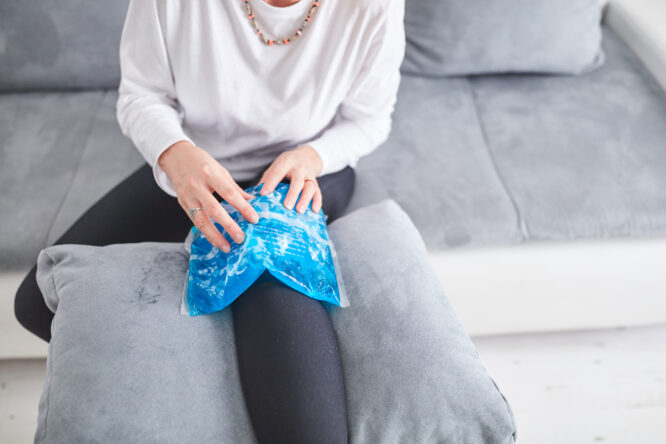
Small changes can make daily life a lot easier. A warm bath, a heat pack or a pair of warm gloves can soothe stiffness, particularly in cold, damp weather, while gadgets such as jar openers, thicker pens or a walking stick can take the strain off painful joints. An occupational therapist can suggest what might suit you, and pacing yourself by spreading heavy jobs through the day and resting between them can stop pain from building up.
It’s also important to look after your mood, as living with pain can be wearing, and talking to friends, family, or a local support group can help. See your GP if the pain is keeping you awake, getting worse or affecting your daily life, and ask about the full range of help available, including physiotherapy and any support you may be entitled to. With the right mix of movement, rest, healthy habits and support, many people stay active and keep enjoying life.