Drivers have been feeling the pinch at the pumps lately, with diesel prices climbing to a record high of around £2 a litre earlier this month.
Diesel cars have also fallen out of favour over the past decade, and very few new ones are now sold in the UK. But despite the high cost of fuel, new tests suggest that an efficient diesel car can still be cheaper to run than a petrol one. Here’s why diesel has become less popular, how the running costs compare and what to think about if you’re weighing up your next car.
The rise and fall of diesel

Around 20 years ago, the government encouraged drivers to choose diesel cars, and many did, with nearly a third of new cars registered in 2004 running on diesel. By 2011, diesel models made up more than half of all new cars sold in the UK.
Today, the picture is very different, as diesel accounts for just 4% of new car sales. Changes to car tax in 2017, along with later changes to company car tax, played a big part, while rising manufacturing costs, a major emissions scandal involving one carmaker and diesel’s reputation for causing pollution all added to its decline.
Why diesel prices have soared
Diesel drivers have faced sharp price rises recently, with the average cost reaching close to £2 a litre. The conflict involving Iran has pushed up global fuel prices, and high demand around the world has added to the pressure. The UK also has limited capacity to refine its own fuel, which means it relies heavily on imports, making prices more sensitive to events overseas. Petrol has risen too, but not by as much, so the gap between the two fuels has widened.
How running costs compare
In recent lab tests, an entry-level diesel Volkswagen Golf averaged 65.7 miles per gallon, around 15 miles per gallon more than a petrol version tested last year. Based on driving about 6,000 miles a year, with petrol at 174.7p a litre and diesel at 200p, the diesel car would still cost around £115 a year less to fuel.
In fact, diesel would need to rise to around 228p a litre, with petrol staying the same, before the diesel Golf became more expensive to run. A diesel Seat Leon also performed well in tests, averaging 60.1 miles per gallon, although both these diesel models have now been removed from UK price lists, so only limited stock remains.
Who still sells diesel cars

Only a handful of brands still sell large numbers of diesel cars in the UK, and Land Rover is the clear leader. It’s the only brand that sells more diesel cars than any other type, accounting for more than 40% of all diesel cars registered in September.
Volkswagen and Audi are among the few other brands still selling a fair number of diesel models. However, choices are shrinking, as more manufacturers drop diesel versions, and when models are discontinued, dealers sometimes offer discounts to clear remaining stock.
How clean are modern diesels?
Diesel and petrol cars can’t match electric or hybrid cars when it comes to being kind to the environment. They still produce exhaust fumes and contribute to air pollution and climate change. However, diesel cars have improved a great deal over the past decade, and modern models are far cleaner than older ones. Many newer diesels perform well in emissions tests, and some even produce fewer harmful emissions than similar petrol models.
Is a diesel right for you?
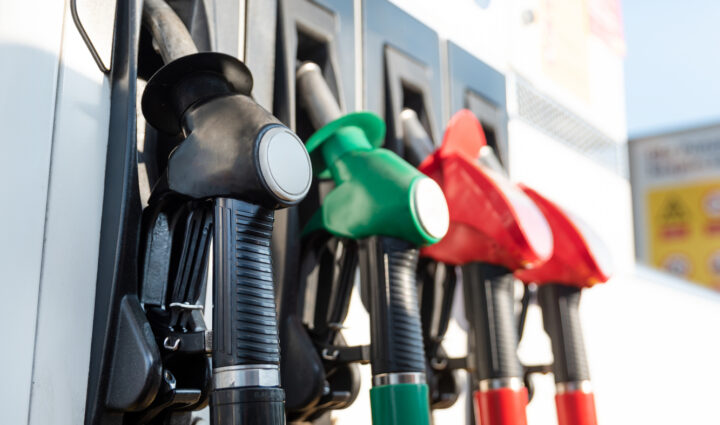
Diesel cars tend to suit people who drive long distances, especially on motorways, where their fuel efficiency really pays off. They also have strong pulling power, which can be useful for towing a caravan or trailer.
If you mostly make short trips around town, a diesel may not be the best choice, as many have a filter that needs longer drives to clean itself, and short journeys can lead to costly problems. In London, older diesel cars may also have to pay a daily charge to drive in the Ultra Low Emission Zone, so check whether a car meets the latest standards before buying.
Ways to save on fuel
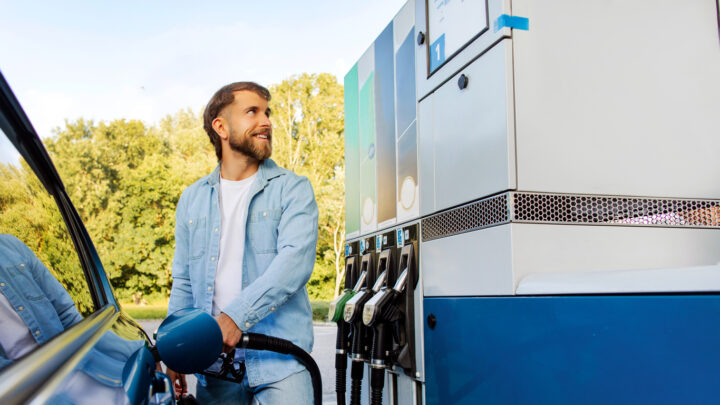
Whatever car you drive, prices can vary a lot between filling stations, so use fuel price apps or comparison websites to find the cheapest option near you. Supermarket forecourts are often cheaper than motorway services.
Driving smoothly, keeping your tyres at the right pressure and removing roof racks or extra weight can all help your fuel go further. Sticking to the speed limit and avoiding harsh braking and acceleration can also make a noticeable difference to how much you spend at the pumps.