
Many families have a cupboard full of fine china, a heavy wooden dresser or boxes of treasured ornaments that have been passed down over the years.

For plenty of older parents, the plan has always been to pass those heirlooms down the line. It’s a proper sting, then, when grown-up children politely turn them down, leaving people feeling like their most cherished belongings—and the memories attached to them—are being tossed aside.
In reality, it’s almost never a rejection of the family; it’s just that smaller modern flats, busy lifestyles, and different tastes leave zero room for heavy dark-wood dressers and delicate teacups you can’t put in a dishwasher. That’s where Swedish death cleaning comes in. Rather than waiting until someone else has to clear a house in a hurry, sorting through your own clutter now takes the burden off everyone, letting you celebrate what genuinely matters and let go of the rest without any bad blood.
Why younger people don’t want heirlooms

When younger relatives turn down family heirlooms, it usually isn’t a sign of disrespect. Many care deeply about their family’s history, but they simply live very differently from the generations before them, and their homes and routines often leave little room for large collections.
Homes in the UK tend to be smaller than they once were, and many people rent or move house regularly for work, so storage space is often limited. With formal dining rooms becoming rare, a full dinner service or a large display cabinet can start to feel more like a burden than a gift.
Why letting go feels so hard

For older generations, heirlooms are often full of memories, whether it’s a dinner service brought out every Christmas or a brooch that belonged to a much-loved grandmother. That’s why hearing a loved one say they don’t want something can sting, even when it’s said kindly.
It can help to remember that memories live in people rather than in objects. Choosing to let something go doesn’t mean forgetting what it stood for because you’re simply finding a different way to treasure those moments and the people connected to them.
What happens if you don’t decide

If you don’t make decisions about your belongings, someone else will eventually have to make them for you, and this often happens in a hurry. After a hospital stay, a move into a care home or a death, families may find themselves grieving while also trying to clear a house to a deadline.
When wishes haven’t been made clear, misunderstandings can easily arise, with one relative believing they were promised something while another assumes everything should be sold. Sorting things out now can spare your family those difficult conversations and help protect the relationships that matter most.
What Swedish death cleaning means

Although Swedish death cleaning might sound a little gloomy, it’s actually a practical and gentle idea that was made popular by Swedish author Margareta Magnusson in her book The Gentle Art of Swedish Death Cleaning. The aim is to sort through your belongings while you’re still well, so that your loved ones aren’t left with the job later on.
Rather than getting rid of everything, the idea is to decide what really matters to you and keep the things that bring you joy. Many people find the process surprisingly freeing, and it can make everyday life feel calmer and more organised as well.
Getting started

It’s best to start small with a single drawer, cupboard or box, rather than trying to tackle the whole house at once. Beginning with items that hold fewer memories, such as old paperwork or spare kitchen utensils, can help you build confidence before you move on to more sentimental belongings.
As you go, talk to your family about what they might like to keep and try not to take it personally if they say no. Labelling special items and writing down the stories behind them is also worthwhile because a short note explaining where something came from can turn an ordinary object into a treasured heirloom.
Keep a little, not everything.

You don’t need to keep a whole collection in order to hold on to a memory, and a single teacup on a shelf might mean more to you than a full set packed away in the loft. In the same way, a favourite serving spoon that’s still used every Sunday can keep a family tradition alive.
Some items can also be given a new lease of life, so a crystal bowl might become the perfect place for keys, old tablecloths could be turned into a quilt and pretty teacups can make charming plant pots. Finding new uses for heirlooms means you can enjoy them every day instead of keeping them hidden away.
Finding new homes for unwanted items

Some heirlooms may be worth selling, since vintage glassware, retro kitchenware and certain china patterns are popular with collectors. Online marketplaces, local auction houses and antiques dealers are all good places to start, although it’s sensible to get an independent valuation first if you think something might be valuable.
Charity shops are often happy to take good-quality items, and many charities will collect furniture from your home for free. Local theatres sometimes welcome old pieces as props, while museums and local history groups may be interested in objects or documents with a story to tell, and free reuse websites can help you pass things on to people who need them.
Passing things on while you’re here
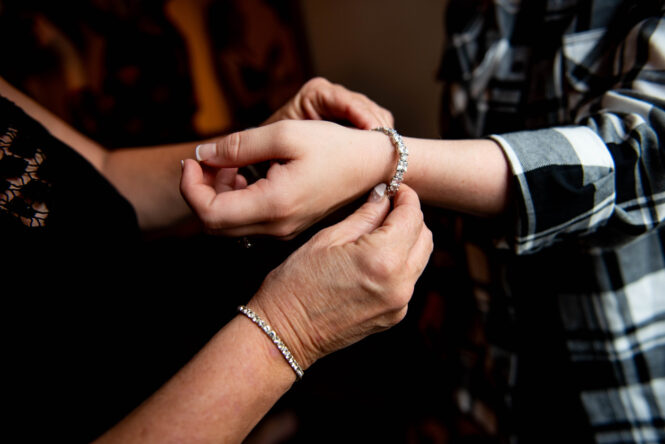
Giving treasured items to loved ones during your lifetime means you get to see them enjoyed, whether that’s handing over a watch over lunch and explaining why it matters or letting family members choose a few pieces when they visit. These moments can become special memories in their own right.
If there are items you’d like to leave to particular people, you can mention them in your will or in a separate letter of wishes kept alongside it. Very valuable items may count towards your estate for inheritance tax, so it’s a good idea to check the rules on GOV.UK or speak to a solicitor, and to make sure anything valuable is properly insured while it’s in your home.
A lighter home and a clearer mind

There’s no right or wrong way to downsize, and while some people find comfort in keeping a few special pieces on display, others feel lighter after a big clear-out. What matters most is that you’re choosing what to keep for the right reasons rather than out of habit.
If you’re holding on to something only because you feel guilty, it might be time to let it go, as honouring the past doesn’t mean keeping everything. A tidier home can bring real peace of mind for you while making life much easier for the people you love.