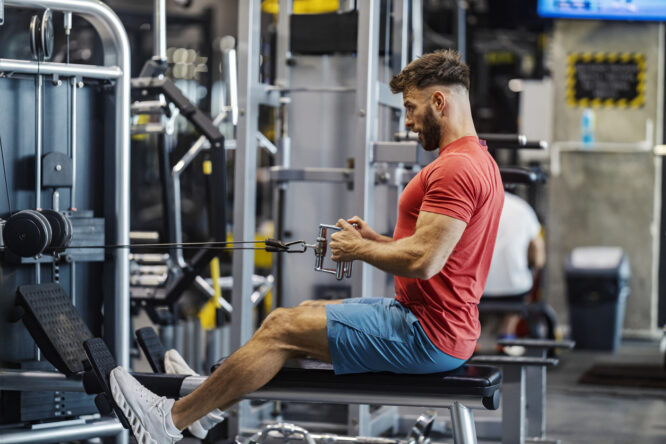
Your glutes, the muscles in your bottom, are the largest muscles in your body.
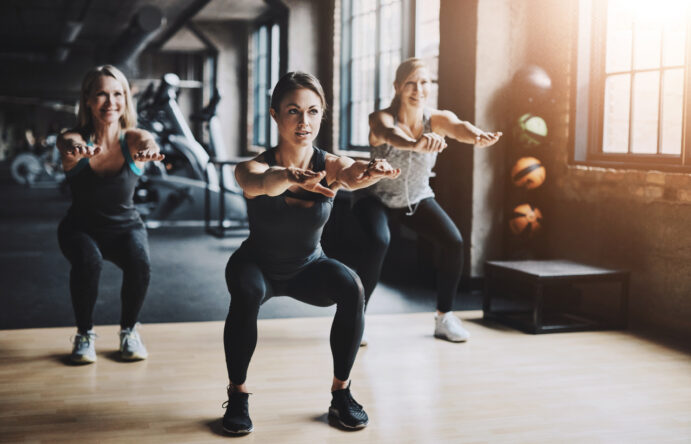
They help you walk, climb stairs, stand up from a chair and keep your hips and back properly supported. Strong glutes can also help you run faster, jump higher and lift more in the gym, while protecting your knees and lower back from injury. If you’d like to make your glute workouts more effective, these simple tweaks can make a real difference.
Strong glutes can impact your whole body.

The glutes do a lot of work every day, often without us noticing. They keep your pelvis steady when you walk and help you stand tall. When they’re weak, other muscles have to work harder, which can lead to aches in the lower back, hips, and knees.
Building stronger glutes isn’t only about how they look. It can improve your posture, balance and everyday movement. It’s also a key part of staying active and independent as you get older.
Slow down your movements.
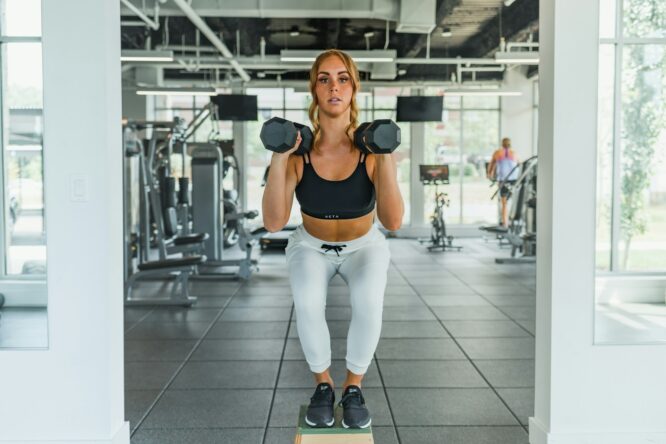
A common mistake is rushing through exercises, especially when lowering the weight. Many people let gravity do the work on the way down. But the lowering part of an exercise is where muscles do a lot of their hardest work.
Try taking three to six seconds to lower the weight in exercises such as deadlifts and squats. You should feel in control the whole time, as though you could stop at any point. If you can’t, the weight may be too heavy, so try going a little lighter.
Move through the full range.
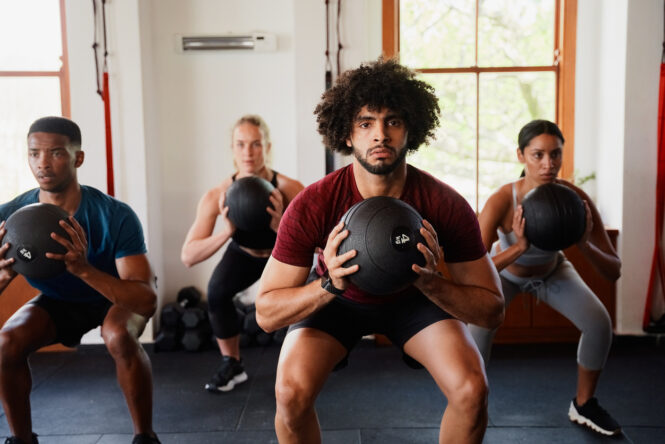
Doing only half of a movement means your muscles miss out on part of the work. For example, in a split squat, many people only lower their back knee partway. Bringing it down so it almost touches the floor makes the exercise much more effective.
The same goes for squats, where aiming to lower your hips as far as you comfortably can works the glutes harder. Only go as low as you can while keeping good form and without pain. Over time, your flexibility, and strength should improve.
Try drop sets.
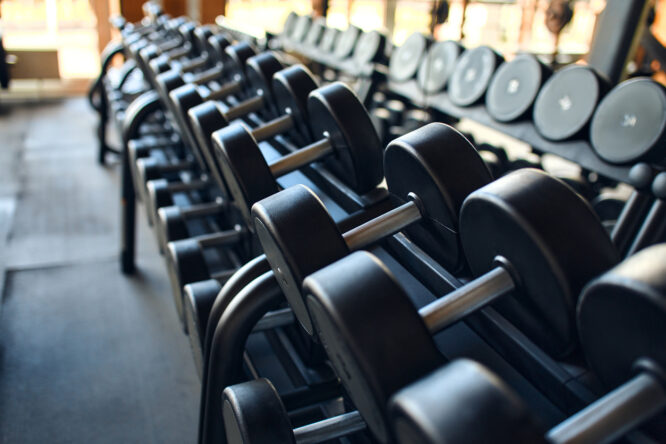
A drop set is when you keep going with a lighter weight once you can no longer lift the heavier one with good form. You then carry on with little or no rest. This pushes your muscles further and can help them grow stronger.
For example, after your last set of lunges holding 10 kg dumbbells, swap straight to 8 kg for another set, then to 6 kg for one more. Dumbbells and weight machines work best, as they’re quick to change. Drop sets are very tiring, so use them on just one or two exercises at the end of your workout.
Add resistance bands.
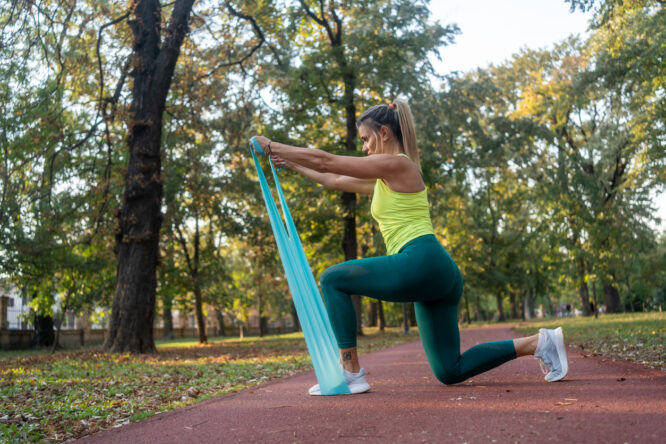
Small loop bands that fit around your legs are a cheap and easy way to make glute exercises harder. Place one just above or below your knees during squats and push your knees outwards against the band. This helps switch on your glute muscles.
You can also try side steps with a band around your legs, keeping a slight bend at the hips and knees. Seated exercises where you push your knees outwards against the band work well too. Bands are light and easy to pack, so they’re great for home workouts or when travelling.
Warm up your glutes first.
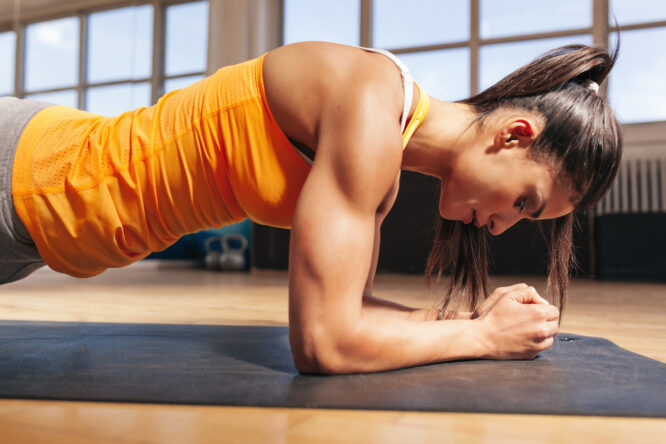
Before moving on to bigger exercises, spend a few minutes getting your glutes working. Simple moves such as glute bridges, where you lie on your back and lift your hips, are a great start. Clamshells, where you lie on your side and lift your top knee, work well too.
Two or three sets of 10 to 15 repetitions is usually enough. Warming up like this helps blood flow to the muscles and helps them work harder during the rest of your workout. It may also lower your risk of injury.
Train one leg at a time.
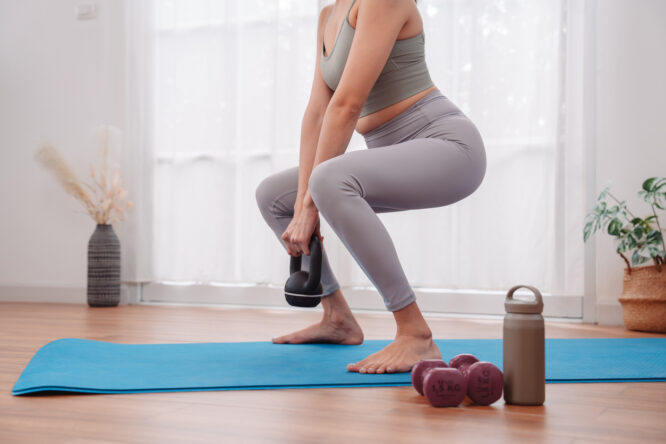
Exercises that work one leg at a time make each glute work on its own. This can help fix imbalances where one side is stronger than the other. It also helps improve balance and stability.
Good choices include single-leg hip lifts, step-ups, single-leg deadlifts and split squats with your back foot raised on a bench. Start with just your body weight until you feel confident. Then gradually add weight, using dumbbells or a bar.
Stay safe and build up slowly.
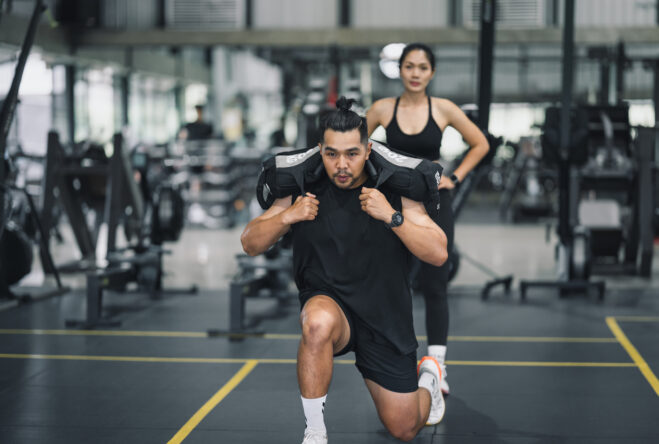
Always focus on good form before adding more weight. If you’re new to exercise or returning after a break, start gently and build up over time. A qualified personal trainer or gym instructor can check your technique and help you plan a routine.
Give your muscles rest between tough workouts, and eat a balanced diet with enough protein to help them recover. Stop if you feel sharp pain, and speak to your GP or a physiotherapist if you have an injury or health condition. The NHS recommends strength exercises on at least two days a week for adults, and your glutes are a great place to start.