Building a bit of muscle does wonders for your joints and balance.
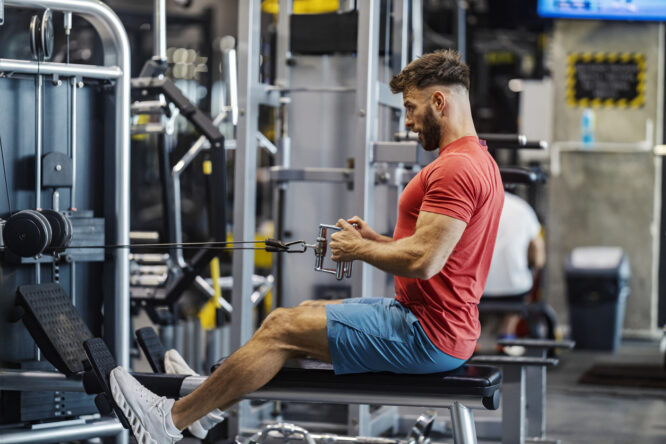
However, for most people, having stronger arms is just about making daily life easier, whether that’s lugging heavy bags from the boot or picking up the kids without putting your back out. Plenty of people want arms that look and feel strong, but picking up a pair of light dumbbells for a few random curls every other week won’t get you very far.
Seeing actual progress comes down to training with a bit of consistency and eating properly, not thrashing your biceps until you can’t straighten your elbows. Getting your head around the basic do’s and don’ts means you can ditch the wasted effort in the gym and start building proper strength that lasts.
Do push yourself in every set.
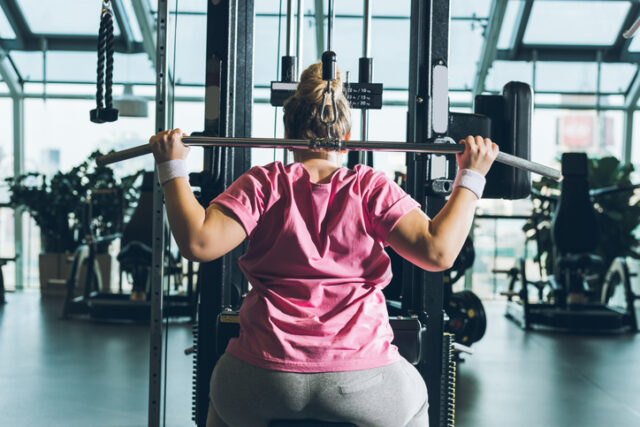
To build muscle, your workouts need to feel challenging. A good rule is to finish each set when you feel you could only manage two or three more repetitions with good form. This is sometimes called keeping a few reps in reserve.
If you could easily keep going, the weight is probably too light to help your muscles grow. Many people stop well before they’ve challenged their muscles enough. Pushing a little harder, while staying safe, can make a big difference to your results.
Do mix up your weights and repetitions.
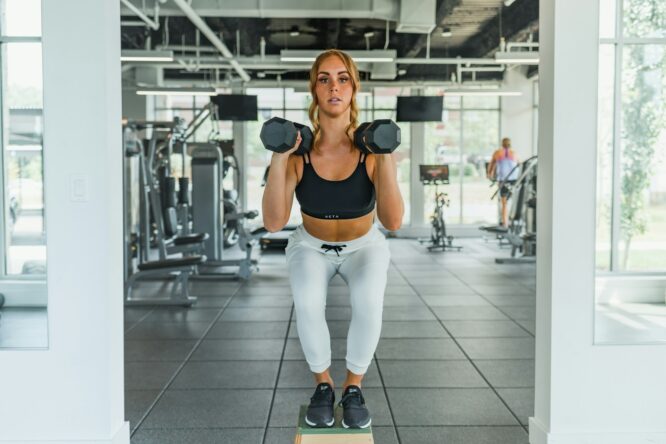
There’s no single right number of repetitions for building muscle. You can lift a heavy weight for around six repetitions or a lighter weight for up to 20. Both can work, as long as each set feels tough by the end. Switching between heavier and lighter sessions can keep your workouts interesting. It can also give your joints a break from always lifting heavy weights. Doing three sets of each exercise is a good starting point for most people.
Don’t forget your triceps.
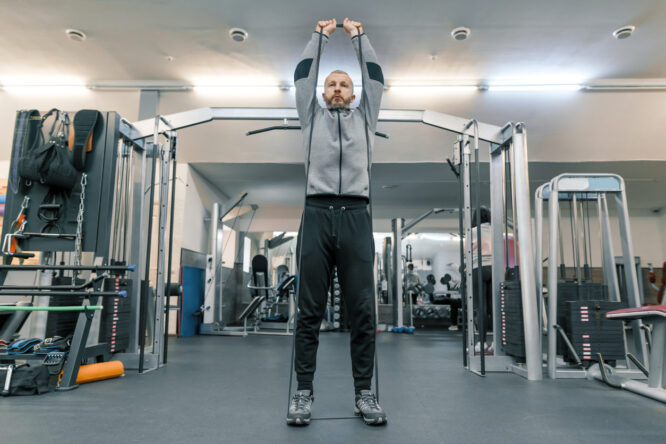
Many people focus on their biceps, the muscles at the front of the upper arm that people flex to show off. But the triceps, at the back of the upper arm, make up around two thirds of the upper arm. Training them is key if you want bigger arms.
Try exercises such as tricep dips, overhead tricep extensions, close-grip press-ups and cable pushdowns. Working the triceps from different angles helps build the whole muscle. Aim to include a couple of different triceps exercises in your routine each week.
Do work your shoulders too.
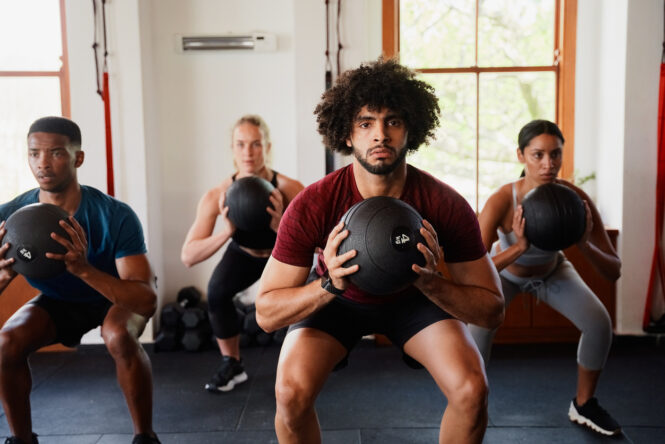
Strong shoulders help your arms look balanced and well-shaped. They also support many everyday movements, such as lifting and reaching. Training the muscles of your upper back, just above the shoulders, can add to this look. Useful exercises include front raises, upright rows and face pulls, which use a cable or resistance band. Start with light weights to get the movement right. Shoulder joints can be easily strained, so good form is especially important.
Do include exercises that use several muscles.

Bicep curls and tricep pushdowns are great, but bigger movements that use several muscles at once can help even more. Exercises such as bench presses, rows, press-ups and pull-ups all work your arms alongside your chest, back and shoulders. They also let you lift heavier weights, which helps build strength. A good arm routine combines these bigger movements with smaller exercises that focus on one muscle. That way, your arms get worked from all directions. It also helps build overall strength for everyday life.
Do eat enough protein.

Your muscles need protein to repair and grow after a workout. For people trying to build muscle, a common guide is around 1.6g of protein per kilogram of body weight each day. Eating much more than this isn’t likely to bring extra benefits.
Good sources include chicken, fish, eggs, milk, yoghurt, cheese, beans, lentils, and tofu. Spreading protein across your meals through the day can help. Make sure you’re eating enough overall too, as your body needs energy to build muscle, and speak to your GP first if you have kidney problems or another health condition.
Train often, but not every day.

Training your arms just once a week may not be enough to see much change. Aiming for two or three sessions a week can help you make steady progress. Rest for around 30 seconds to two minutes between sets. However, working your arms every day doesn’t give your muscles time to recover and grow. Muscles get stronger during rest, not just during exercise. Overdoing it can also lead to sore elbows and injuries that could stop you training altogether.
Stay safe and start sensibly.
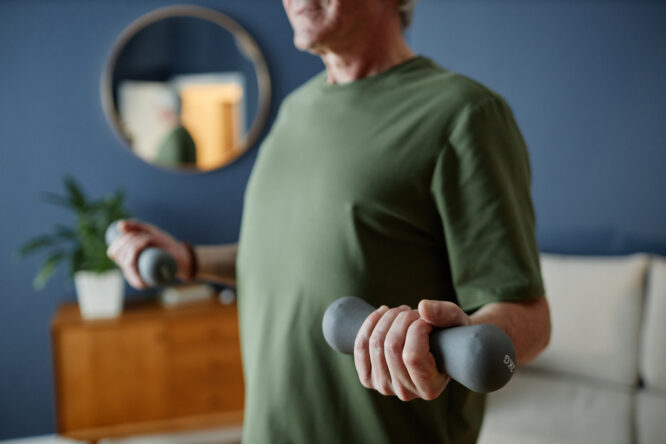
Always warm up before lifting weights, with a few minutes of light activity and some easy practice sets. Focus on good form rather than lifting as much as possible. If you’re new to weights, a qualified personal trainer or gym instructor can show you how to do each exercise safely.
Stop if you feel sharp pain, and speak to a doctor if you have an existing injury or health condition. The NHS recommends that adults do activities that strengthen their muscles on at least two days a week. With patience and a steady routine, you should start to see stronger arms over time.