As the nights draw in and the weather turns, colds and flu start doing the rounds.

Cold air can take the edge off our defences, and spending more time indoors gives germs an easy way to move from person to person. You can’t avoid every bug, but there’s plenty you can do to give your body a better chance of fighting them off. Here are a few practical ways to get ready, plus a few easy first steps you can take this week.
Fill your plate with immune-friendly foods.

What you eat is one of the strongest tools you have. Foods rich in vitamins, minerals, and antioxidants help your body keep inflammation under control, and that helps your defences work well. Healthy fats are a good place to start, such as avocado, oily fish, olive oil and chia seeds.
Fruit, vegetables, nuts, and pulses are packed with vitamins A, C and K, which support your immune system day to day. Aim for plenty of colour on your plate, since different colours usually mean different nutrients. A big pot of vegetable soup or a bean stew is an easy, warming way to get a lot in one go.
Ask whether a supplement could help.

Iron, zinc, and vitamins C and D all matter for your immune health. Most people can get what they need from a balanced diet, though some find a supplement useful in winter. Some studies suggest that vitamin C and zinc may shorten a cold slightly, although the effect is modest.
Health advice in the UK often suggests thinking about vitamin D in autumn and winter, when there’s little sunshine. Speak to your doctor or pharmacist before you start anything new, particularly if you take medicines. Supplements are a helpful extra and never a replacement for a healthy diet.
Protect your sleep.

Your immune system is busy while you sleep. Certain parts of it become more active overnight, including proteins and cells that help the body fight infection. Poor sleep, on the other hand, is linked with higher levels of stress hormones, which can make those defences less effective.
In one study, people who slept for fewer than six hours a night were more likely to catch a cold than those who slept for longer. Sleep may also help vaccines work better. Most adults do best with seven to nine hours, so try to keep regular bedtimes, dim the lights in the evening and put your phone away for the last hour before bed.
Wash your hands the right way.

Clean hands are one of the simplest forms of protection. Washing regularly can cut your risk of coughs and colds by around a fifth, and it helps stop germs reaching other people too. The snag is that most of us don’t wash for long enough or cover every part of the hand.
Use soap and warm water, and rub for about 20 seconds, which is roughly the time it takes to sing happy birthday twice. Get between your fingers, around your thumbs, over the backs of your hands and under your nails, then dry them thoroughly. Do it when you come in from outside, before you eat and after using the toilet.
Keep drinking through the winter.
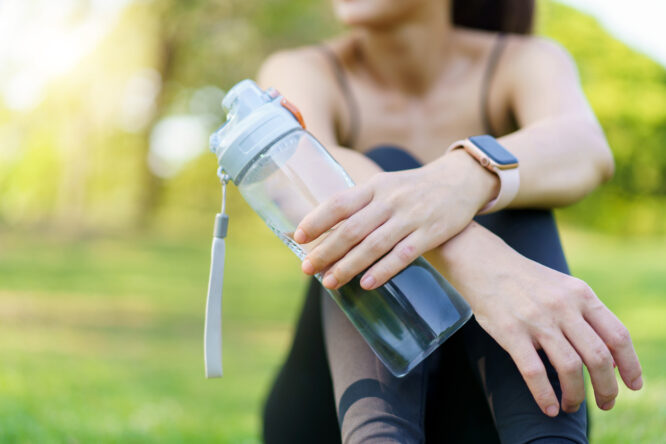
When it’s cold, we often feel less thirsty and forget to drink, yet fluids matter all year round. Water helps to carry nutrients and signals around the body and moves immune cells to where they are needed. It also keeps your mouth moist, and saliva is one of your first lines of defence against germs.
If plain water feels dull on a chilly day, try warm drinks such as herbal tea, a squeeze of lemon in hot water or a cup of clear soup. Keep a bottle on your desk or beside your chair as a reminder, and sip throughout the day rather than waiting until you’re parched.
Look after your gut.

Your gut is home to trillions of tiny organisms, known together as the microbiome. They talk to your immune cells and help control how your body responds to infection, so a healthy gut can help your defences too. The things that help include eating plenty of whole foods, managing stress and cutting back on heavily processed products.
Fermented foods are a tasty way to support your gut. Live yoghurt, kefir, sauerkraut, and kimchi are all natural sources of friendly bacteria. Start with small portions if you’re not used to them, and add a little more as your body adjusts.
Go easy on processed food and added sugar.

Sugary snacks and refined carbohydrates can add to inflammation in the body and make it harder to stay at a weight that’s healthy for you. Over time, that can raise the odds of conditions that weaken the immune system, such as heart disease and type 2 diabetes.
You don’t need to give up treats altogether. Small swaps work well, such as fruit instead of biscuits, water, or tea instead of fizzy drinks, and plain yoghurt with berries instead of a sweet pudding. Checking labels for added sugar can be an eye-opener, and cutting back slowly is easier to keep up than a sudden overhaul.
Keep moving when it’s cold and dark.

It’s tempting to stay on the sofa once the evenings get dark, but staying active is one of the best ways to keep your defences strong. Regular, moderate exercise helps to reduce inflammation and helps immune cells renew themselves. It may also make vaccines work better in people whose immune systems are weaker.
Moderate doesn’t mean exhausting. A brisk walk, a gentle jog, yoga, swimming or tai chi all count. If the weather puts you off, go out at lunchtime while it’s light or follow a short workout video at home. When you’re ill with a fever, rest is better than exercise, so listen to your body.
Easy first steps for this week.

Book your flu jab if you’re eligible. In the UK, it’s offered free on the NHS to older adults, pregnant women, people with certain health conditions and some others, and your GP or local pharmacy can tell you if you qualify. It’s a small effort for a lot of protection, particularly for anyone who is more at risk of serious illness.
Stock your cupboard so you’re ready if a bug does arrive. Tissues, honey, herbal teas, a thermometer and a few soups in the freezer all help when you don’t feel like going out. Set a regular bedtime alarm, put a bottle of water by your bed and choose one new habit, such as a daily walk, to start now.