Hanging out a load of washing at this time of year is always a gamble.

You hang out a full basket on what looks like a decent morning, only to spend the next four hours eyeing every grey cloud from the kitchen window, debating whether to sprint down the garden before the drizzle starts.
Wait too long to make the call, and you end up bringing in clothes that feel colder and damper than when they left the washing machine, with that sour, musty smell already starting to set in. Tumble dryers cost a fortune to run, and indoor airers quickly clutter up the spare room, so giving up on the washing line completely feels like admitting defeat.
You don’t need to pack the pegs away until next spring, though. A few adjustments to when and how you hang things out can get your washing properly dry outside, even when the heat has gone out of the sun.
The best time to hang washing out is as soon as the sun comes out.
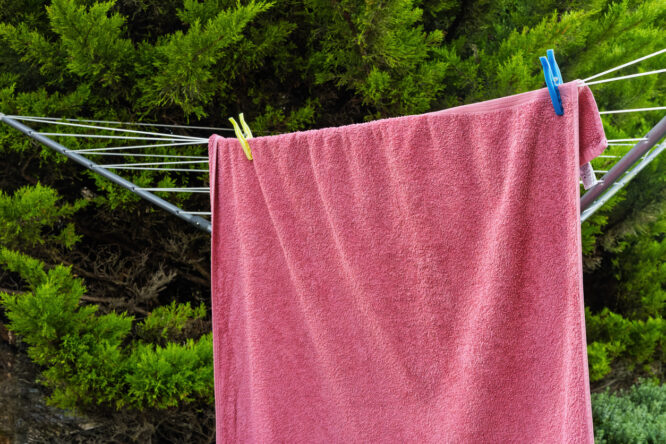
Try to get your washing on the line in the morning. The sun is usually at its strongest between about 10 a.m. and 2 p.m., so hanging clothes out early gives them the longest time to dry. With shorter days, starting early makes a big difference.
Aim to bring everything in before it gets dark. As the evening draws in, the air becomes damper and dew begins to settle. Clothes left out too late can end up wetter than when you brought them in.
Temperature isn’t everything when it comes to drying.
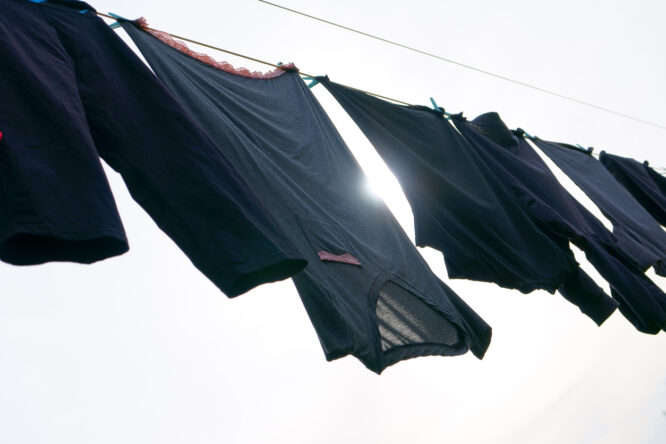
A warm day doesn’t always mean good drying weather. A cool, dry day can actually work better than a mild one with lots of moisture in the air. Damp, muggy days slow down drying, even if it feels pleasant outside.
A gentle breeze is one of the best things for drying washing, as it carries moisture away from the fabric. Check the forecast for a dry spell with a little wind. If you see a clear window of a few hours, that’s your chance.
Spin out extra water first.
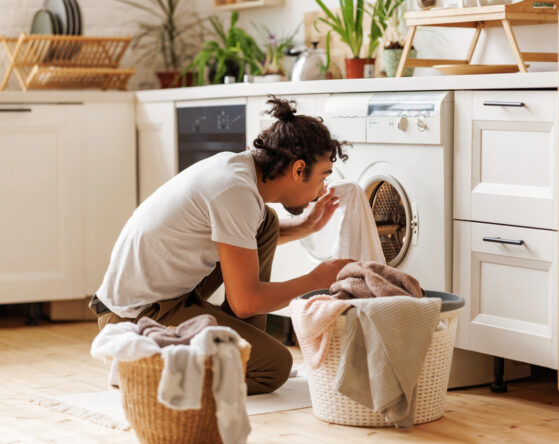
Before hanging anything out, use a faster spin on your washing machine, or add an extra spin at the end of the cycle. This removes more water, so clothes need less time on the line. Only do this if the care label says it’s safe, as some delicate items need a gentler spin.
Give each item a good shake before hanging it up. This helps loosen creases and lets air move through the fabric more easily. It can also mean less ironing later.
Give clothes room to breathe.
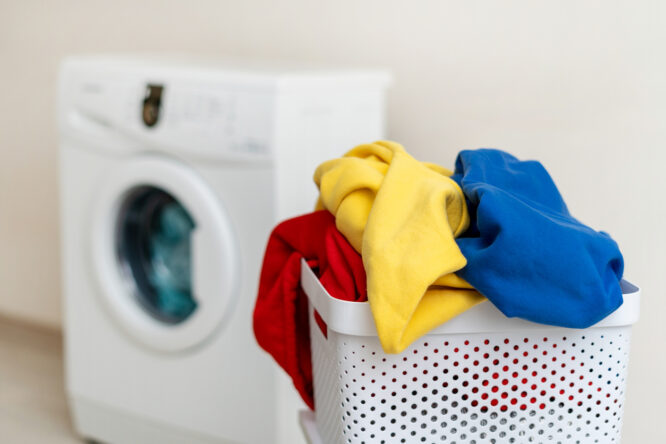
Try not to squash too many items onto your washing line. Clothes bunched together dry more slowly and can leave damp patches where they touch. Leaving a little space between each piece lets air flow around them.
Thicker areas such as waistbands, pockets, and seams hold on to moisture the longest. Hang items so these parts face the breeze or the sun. If you’re using a rotary or freestanding airer, move it to catch the wind or follow the sunshine during the day.
Check before you bring it in.

Clothes can feel cold to the touch even when they’re dry, which can make it hard to tell. Feel the thickest parts, such as seams and cuffs, to check for any dampness. If they’re still wet, leave them a little longer or finish them off indoors.
Always check care labels before drying. Some items, such as woollen jumpers, need to be dried flat to stop them stretching. Others may fade in the sun, so turning them inside out can help protect their colour.
How to avoid musty smells

Take your washing out of the machine as soon as the cycle finishes. Clothes left sitting damp in the drum can quickly start to smell stale. If a load has been left for several hours and smells off, it’s best to wash it again.
Don’t leave washing out overnight, as dew or frost can make it damp again. If you forget, you may need to rewash it to get rid of any musty smell. Keeping your washing machine clean, including the drawer and rubber seal, also helps keep laundry fresh.
When the weather turns, you’ll have to head indoors.
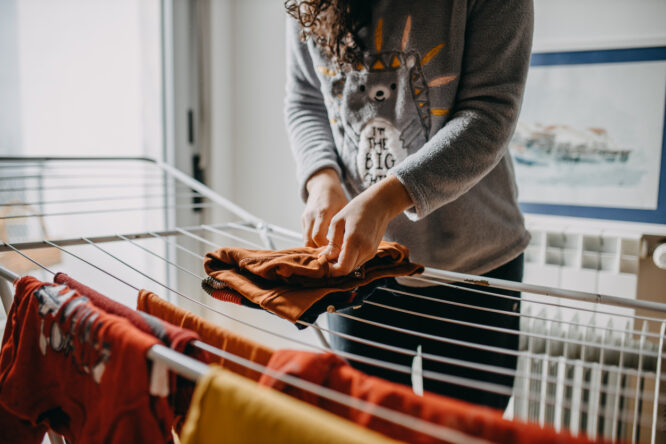
If rain arrives, bring your washing inside rather than leaving it out in the damp. Hang it in a room with good airflow, such as near an open window or in a room with an extractor fan. Spread items out on an airer so moisture can escape.
Avoid draping wet clothes directly on radiators, as this can add moisture to the air and encourage mould. A dehumidifier can help speed up indoor drying and keep your home less damp. With a little planning, you can keep your laundry fresh and dry right through autumn.