If you live in one of three major UK cities and still have a landline, listen up.

Hundreds of thousands of homes across the UK are still relying on old-fashioned copper phone lines, even though the network behind them is about to be turned off for good. From January 2027, traditional landlines will be replaced by digital phone services that run through your broadband connection. New figures show which cities have the most homes still to switch, and there’s still time to get ready if yours is one of them.
It’s the end of an era for home phones.

Copper phone cables have kept British homes connected for more than a century. They’re now ageing, costly to maintain and struggling to keep up with modern needs, so phone companies are moving everyone over to a newer system. Once the old network shuts down, landline calls will be carried over the internet instead.
BT and other providers have been warning customers about this for several years. Despite that, a large number of households haven’t made the move yet. With only a few months to go, phone companies are keen to make sure nobody is caught out or left without a working phone.
The cities with the most lines still to switch

Fresh figures based on data from Openreach, which runs much of the UK’s phone network, show London is far ahead of anywhere else, with almost 236,000 copper lines still in use. Leeds is second, followed closely by Manchester and Sheffield. The ten cities with the most lines remaining are:
London: 235,934
Leeds: 62,411
Manchester: 55,961
Sheffield: 51,870
Bristol: 43,775
Liverpool: 42,351
Edinburgh: 39,132
Cardiff: 37,959
Birmingham: 37,825
Glasgow: 30,653
There’s still a big job to do before the deadline.

Added together, that’s more than 637,000 lines across just these ten areas. Smaller towns and rural communities will have plenty more on top of that. It shows just how much work still needs to be done in a fairly short space of time.
For most households, the change is fairly simple. You won’t necessarily need a new phone, and in most cases you’ll keep the number you’ve had for years. The important thing is not to leave it until the last minute, especially if someone in your home depends on their landline every day.
What does new service offer?
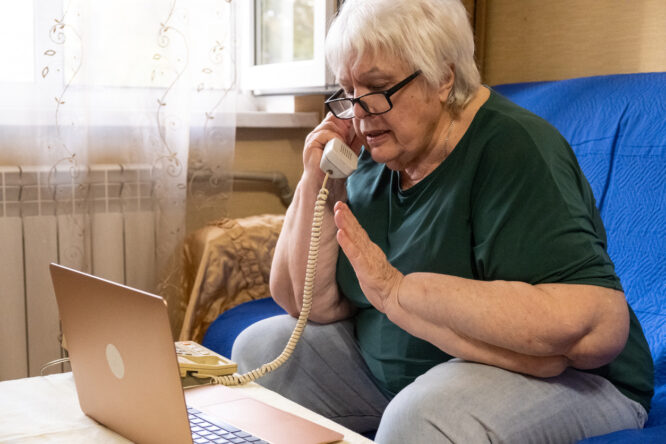
BT’s version is called Digital Voice, and other companies have their own equivalents. Instead of travelling down copper wires, calls go through your broadband. Many people find the sound is clearer, and there’s better protection against nuisance calls too.
There are some handy extras as well. You can forward calls to another number such as your mobile, have three-way conversations and take more than one call at once. BT says it doesn’t charge extra for Digital Voice, although you might need a compatible handset to get the most out of it.
Checks to make before your line changes

The first step is to find out whether your phone has already been moved over. Your provider can tell you, often through a quick call or by logging into your online account. If it hasn’t happened yet, ask what you need to do and when it’s likely to take place.
Next, check your current phone will work with the new setup. Many older handsets plug straight into your broadband router, but some may need an adapter or replacing. While you’re on the phone to your provider, confirm that you’ll be keeping your existing number so you don’t lose a contact many friends and family rely on.
Alarms and other connected equipment

Personal alarms, often worn by older or vulnerable people to call for help, are one of the most important things to check. These and other health monitoring devices sometimes depend on the old phone line, and some might not work after the switch without changes. Speak to both your phone provider and the company that supplies the alarm to make sure it’s been tested on the new service.
The same goes for burglar alarms, card machines and other gadgets connected to a landline. It’s a good idea to make a list of everything plugged into your phone socket. Phone companies have promised to take extra care with customers who use telecare alarms, so let them know if this applies to you or someone in your home.
What happens in a power cut?

One key difference is that digital phones need electricity to work. Traditional landlines often kept going during a power cut, but a phone that runs through your broadband router will stop if the power goes off. That can be a real worry for anyone who relies on a home phone to call for help.
Ask your provider what backup options are available. Many offer a battery unit that keeps the phone working for at least an hour during an outage, and this is usually free for people who depend on their landline, such as those without a mobile signal or with health needs. Keeping a charged mobile phone handy is another simple way to stay connected.
How to help older relatives get ready

Older people are among the most likely to still use a copper line and the least likely to have heard about the change. Take a few minutes to check in with parents, grandparents, or neighbours who rely on their home phone. You could help them call their provider or ask the questions on their behalf.
A handy approach is to sit down together with a recent phone bill, so you have their account details ready. Run through the checks above, particularly anything about alarms and power cuts. Sorting it out now means there’s no panic or missed calls when the old network is finally switched off.