Every dog has their own idea of a perfect day.
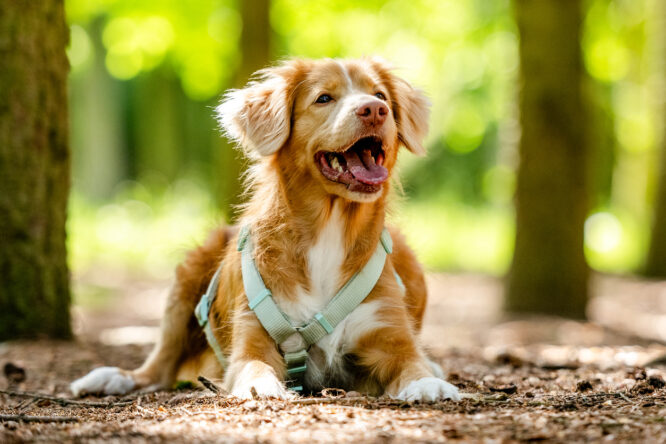
For an energetic spaniel, it might be bounding through muddy fields and having a proper, uninterrupted sniff at every clump of grass; for an older greyhound, it might just be claiming the sunniest corner of the sofa and saying hello to a favourite neighbour on the morning school run. They’re full of distinct quirks and preferences, and what makes one dog tick won’t necessarily register with another.
When it comes to giving your dog the best possible life, it’s easy to assume food, basic shelter, and a quick spin around the block are enough. But true enrichment goes a bit deeper. The real trick is combining what canine science tells us about basic instinctual needs like mental stimulation, scent work, and feeling safe with paying close attention to what your own four-legged mate specifically loves most.
Letting your dog sniff is a bigger deal to them than you might think.
Any genuine enrichment activity should tap into an animal’s most important sense, and for dogs, that’s smell above all else. Research has found that dogs given regular opportunities for scentwork tend to show more optimistic behaviour compared with dogs engaging in other reward-based activities instead.
One study split dogs into groups practising either scentwork or heelwork over a two-week period, testing their outlook before and after using a task designed to measure optimism. Dogs were shown a bowl placed somewhere ambiguous, between a spot that always contained food and one that never did, with quicker responses suggesting a more hopeful, expectant mindset. The scentwork group showed a noticeably more positive change by the end.
There are several practical ways to build more sniffing into your dog’s day.
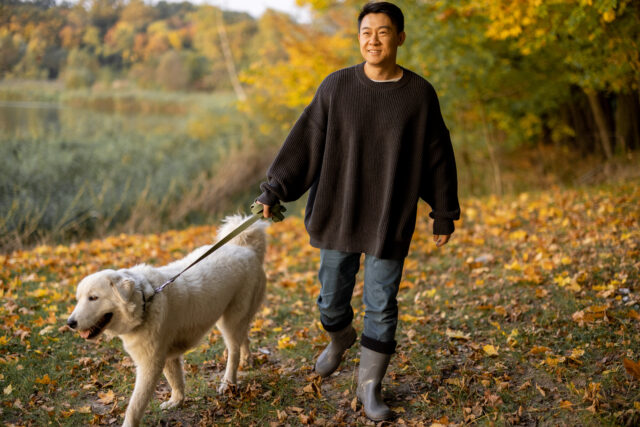
On off-lead walks, simply letting your dog wander and sniff freely gives them the chance to properly explore using their strongest sense. On lead walks benefit from the same approach too, even if it means slowing down and accepting a longer walk than originally planned.
Beyond walks, scattering treats across a safe patch of grass and letting your dog sniff them out is an easy way to build this into daily life. A snuffle mat, a rug with a thick pile designed to hide treats within, works well indoors too, as does hiding treats around the house while your dog isn’t watching. Scentwork classes are another option to explore, and they’re particularly well suited to reactive dogs, since the activity doesn’t rely on close interaction with other dogs or people that might otherwise trigger stress.
The treats you use for training are important.
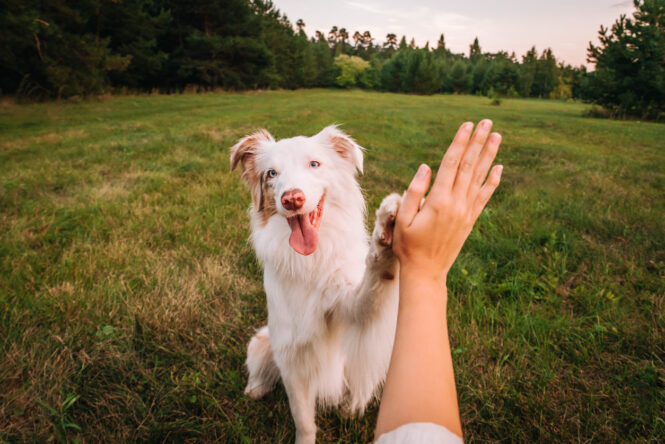
Reward-based training remains the most effective and welfare friendly way to train a dog, but plenty of owners undersell the actual reward by sticking purely to dry kibble. Trying a wider variety of treats, including proper human food like chicken, roast beef or cheese, tends to make training considerably more motivating.
Research backs this up too, with studies showing dogs move noticeably faster toward a bowl they know contains something like sausage compared with one containing kibble, proving they’re paying far closer attention to reward quality than owners sometimes assume. While some dogs do have one clear favourite treat, most enjoy variety over time, and for some dogs, play itself, like a quick game of tug, works just as well as food as a reward. Harsher training methods involving leash corrections, shouting, or prong and shock collars carry welfare risks and should be avoided in favour of positive, reward-based approaches.
Social play matters a lot, especially for younger dogs.
If your dog enjoys other dogs’ company, finding regular opportunities for proper dog to dog play, ideally with familiar canine friends, offers real benefits. Play is particularly important during puppyhood, when carefully supervised sessions help young dogs learn how to bite gently and build essential motor skills.
Play also serves a social purpose beyond just physical development. Watching two dogs play, you’ll often spot clear signals like a bouncy gait, a relaxed open-mouthed expression, and the classic play bow, front legs down, rear end raised. Roles tend to swap naturally too, with a dog being chased one moment becoming the one doing the chasing the next.
Older dogs typically play less and show less tolerance for full contact wrestling, often preferring simply to relax alongside another dog instead. For dogs who aren’t comfortable around unfamiliar dogs, sticking to known, trusted playmates is a safer bet, and for dogs who don’t enjoy other dogs at all, making more time for play directly with their owner can meet that same underlying need.
Giving your dog a safe space is one of the greatest gifts you can offer.
Every dog benefits from having somewhere they can retreat to fully relax, whether that’s a bed tucked into a quiet corner or a crate with the door left permanently open. This matters especially in busy households with children, or for dogs who are naturally shy or easily overwhelmed.
Make sure everyone in the household understands the same basic rule here: the dog should be free to come and go from that space entirely on their own terms, without being disturbed while resting there. If you do need to get your dog out of their space for any reason, it’s better to call them over to you rather than approaching them directly while they’re settled.
A decent bed and knowing your dog’s real preferences means the world to them.
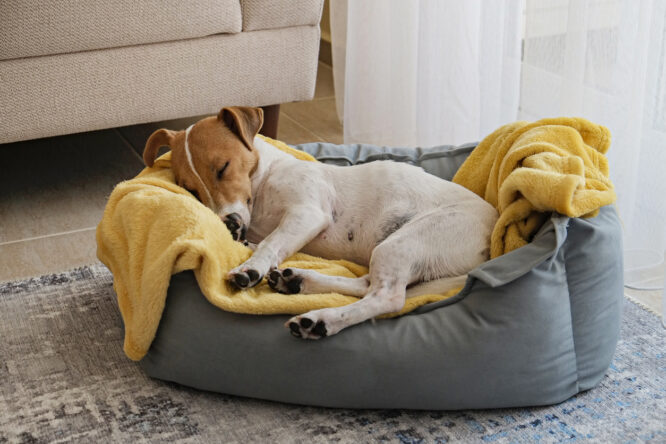
Given how much time dogs spend asleep, investing in a comfortable dog bed is worth the money. Plenty of dogs will happily choose the sofa or your own bed too, and whether that’s allowed is really down to personal preference rather than any strict rule you need to follow blindly.
Older dogs in particular tend to sleep even more than younger adults, and may be dealing with joint issues like arthritis, so a lower bed that’s easier to climb into, or a ramp for accessing furniture, can make a real difference to their comfort. Beyond sleep, you should pay attention to your individual dog’s actual preferences too, whether that’s a love of fetch, tug, or a flirt pole toy that taps into natural predatory instincts, a forest walk over a park visit, or simply being included on errands and cuddling on the sofa. Since preferences vary so much between individual dogs, spending time observing what makes your own dog’s tail wag is one of the simplest ways to strengthen the bond between you.
Taking the time to understand what makes your own dog happy, rather than assuming every dog wants the same things, is ultimately one of the simplest and most rewarding ways to improve their day-to-day life.