Food is so much more than just petrol in the tank to get you through the day; it’s living history, clever chemistry, and a hefty dollop of marketing spin all rolled onto a single plate.

Most of us prepare meals on complete autopilot, chopping vegetables, boiling pasta, and splashing sauces without ever pausing to consider the sheer madness of where our favourite ingredients came from. We treat the staples in our fridge and pantry as mundane essentials, assuming their origins are just as dull as their packaging.
Look a little closer at the contents of your kitchen cupboards, though, and you’ll find a bizarre world of accidental inventions, ancient trade secrets, and downright peculiar culinary quirks. Behind the most ordinary items sit stories that sound like pub quiz fiction: from crushed bugs providing the vivid red colour in sweets and cosmetics, to world-famous salads cobbled together in a frantic panic when a restaurant kitchen ran completely out of food. With that in mind, here are some of the most surprising food facts guaranteed to change how you look at your dinner plate.
Soy sauce can actually be dangerous in large amounts.

It sounds like an unlikely way to end up in hospital, but soy sauce can be overdosed on. Back in 2013, a teenager in the US was hospitalised after drinking a large quantity in one sitting, triggering seizure like symptoms.
The culprit wasn’t anything exotic, it was simply salt. Soy sauce carries an extremely high sodium concentration, and consuming that much at once threw the teenager’s blood chemistry dangerously out of balance. It’s a reminder that even everyday condiments can cause real harm in extreme quantities.
Tomatoes were once considered poisonous.
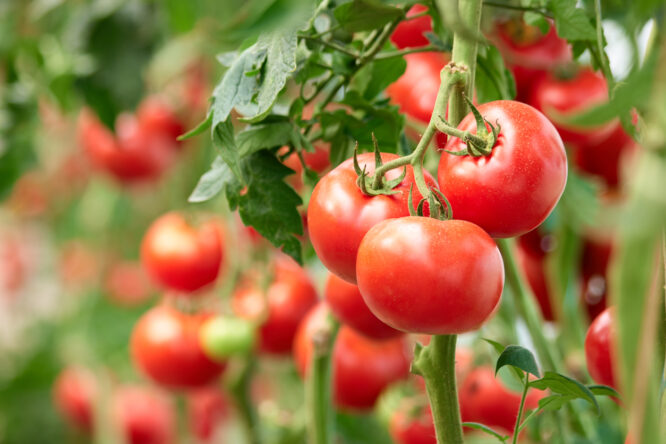
Tomatoes have such an established place in modern cooking that it’s easy to forget they were once viewed with suspicion. English and North American doctors originally assumed the fruit was toxic, largely because the plant’s leaves do contain harmful compounds.
That reputation flipped entirely during the 1700s, when tomatoes were reclassified as a medicine, thought to help treat digestive and liver problems. One doctor at the time went so far as to claim that eating enough tomatoes could effectively prevent death altogether, a claim that hasn’t exactly aged well, but shows just how dramatically attitudes changed.
Ketchup didn’t always contain a single tomato.
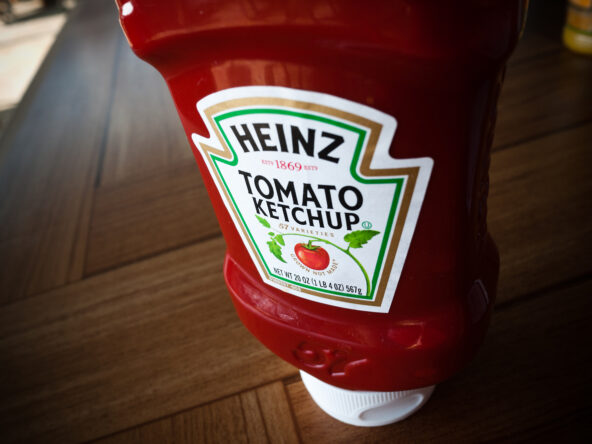
Given how closely ketchup is associated with tomatoes today, it’s surprising to learn the sauce started out as something completely different. The earliest recorded version of ketchup was really a fermented fish sauce, first documented in China around 300 BCE.
Tomatoes didn’t enter the picture at all until a scientist in Philadelphia reworked the recipe in 1812, transforming it into something far closer to the ketchup sitting in fridges today. It’s a reminder that even the most familiar condiments have gone through some unrecognisable earlier versions.
Some red food dye comes from crushed insects.
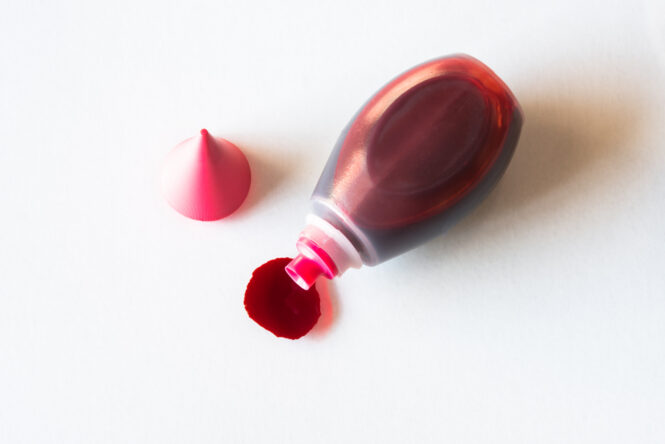
A common red dye called carmine, found in plenty of sweets and cosmetics, comes from an unusual source: tiny insects called cochineal. Hundreds of thousands of these bugs are dried in the sun and ground into a fine powder to produce the exact shade needed.
That powder is then mixed with solvents to create the finished dye, which ends up in everything from lipstick to certain sweets. It’s the kind of ingredient list most people would never think to question, purely because the process behind it is so far removed from what ends up on the shelf.
Caesar salad was born out of a kitchen crisis.

Caesar salad has a reputation as a fairly refined dish, but its origins were considerably more chaotic. It was invented not in Italy, but in Tijuana, Mexico, by an Italian immigrant restaurant owner who found himself running dangerously low on ingredients mid-service on the fourth of July in 1924.
Rather than admitting defeat, he assembled the salad tableside using whatever he had left, turning the whole process into a bit of theatre to distract diners from just how basic the recipe was. What started as an improvised fix has since become a culinary staple worldwide.
Honey is one of the only foods that never spoils.
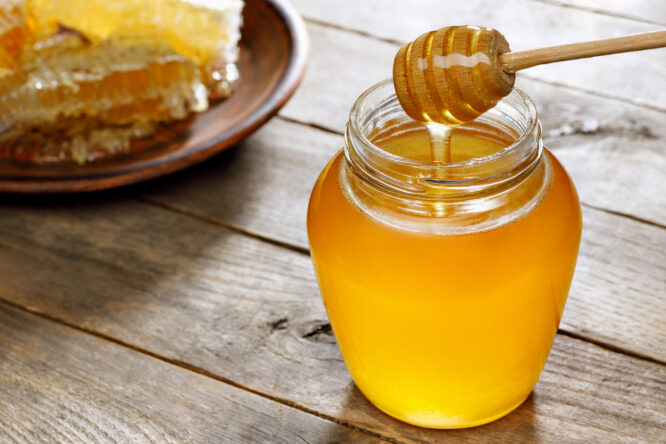
Unlike most food, honey doesn’t go off, and it’s not just a claim, it’s true. Its low moisture content combined with a naturally high sugar concentration creates an environment bacteria simply can’t survive in, meaning properly sealed honey can last essentially forever.
That durability isn’t just theoretical either. Archaeologists have discovered sealed pots of honey inside ancient Egyptian tombs that were still edible thousands of years later, making it one of the few foods that can claim to be immortal under the right conditions.
The name on your fish isn’t always accurate.
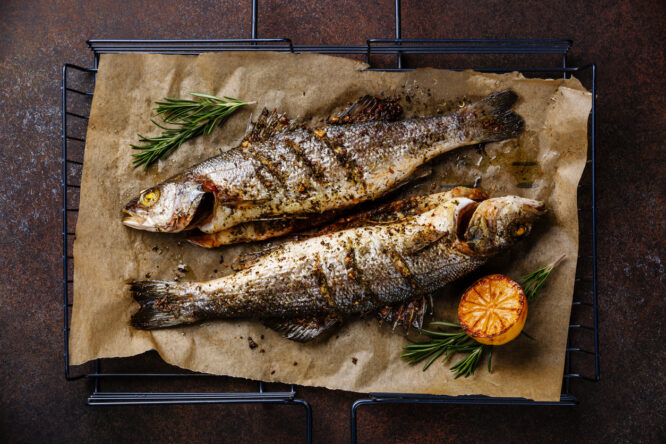
Chilean sea bass sounds like a perfectly natural species name, but it’s really a marketing invention. The fish’s real name is Patagonian toothfish, a title an American seafood merchant decided simply wouldn’t sell well to consumers.
Rebranding it as Chilean sea bass made the fish sound considerably more appealing on a menu, even though nothing about the animal changed in the process. It’s a useful reminder that plenty of food names are shaped more by marketing than by biology.
Raw cashews aren’t actually raw at all.
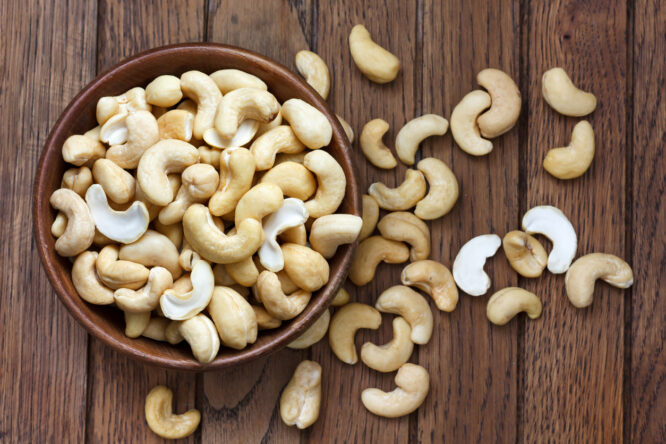
Cashews labelled as raw in supermarkets have already been through a process before they ever reach the shelf. The plant naturally contains chemical irritants capable of causing skin reactions, even in people without any nut allergy at all.
To make them safe for sale, cashews are steamed commercially first, neutralising those irritants before packaging. So while they’re marketed as raw, what you’re really buying has already been through a fairly involved preparation process behind the scenes.
Peanuts aren’t technically nuts at all.
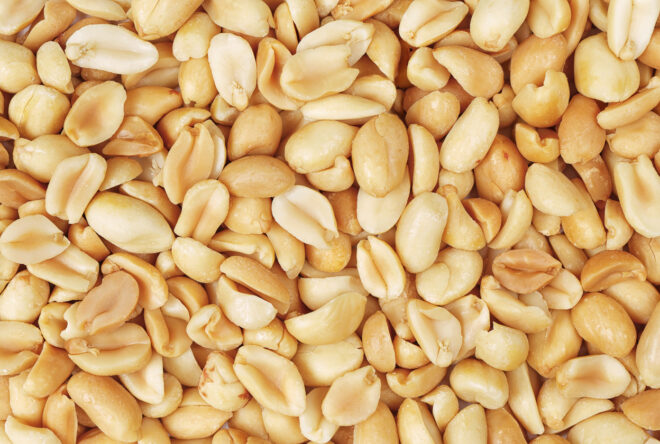
Despite the name, peanuts don’t meet the scientific definition of a true nut. According to plant scientists, a nut needs to be a dry fruit with a single seed encased inside a hard, non-splitting shell.
Peanuts fail that test on a couple of counts. They grow underground in a pod rather than on a plant above ground, and each shell typically contains two peanuts rather than a single seed. Botanically speaking, that makes them a legume, putting them in the same category as beans and lentils rather than nuts like almonds or hazelnuts.
Bananas and cucumbers count as berries, botanically speaking.
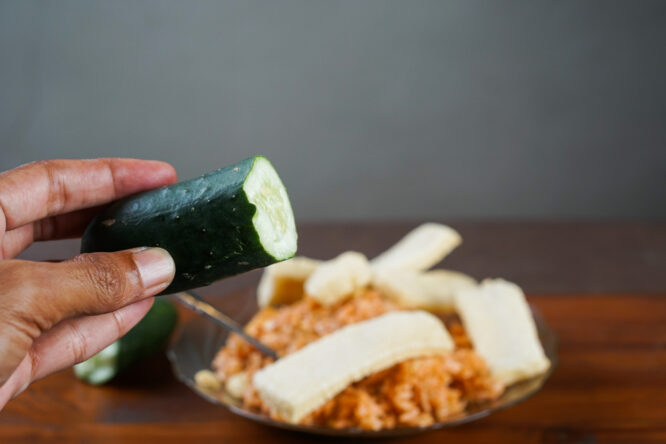
Common sense and scientific classification don’t always agree when it comes to fruit and veg. Botanically speaking, bananas, pumpkins, cucumbers, and avocados all technically count as berries, despite none of them resembling a berry in any everyday sense.
Meanwhile, blackberries, raspberries and mulberries, the fruits most of us would instinctively call berries, don’t meet the scientific definition at all. It’s one of those facts that makes you look at your fruit bowl slightly differently once you know it.