Nothing quite beats the smell of bacon cooking on a Saturday morning, or the satisfaction of a proper BLT as a weekend treat.
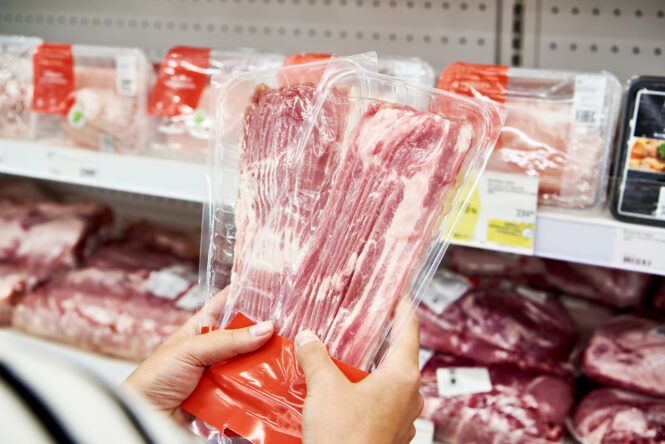
Most of us already know bacon isn’t exactly health food, but standing in the supermarket aisle facing dozens of options, it’s hard to work out which ones are reasonable compromises and which are quietly loading you up with salt, fat, or preservatives. So a detailed look at 57 different bacon products set out to answer that question properly, and the results are worth knowing before your next big shop.
So, is any bacon actually healthy?
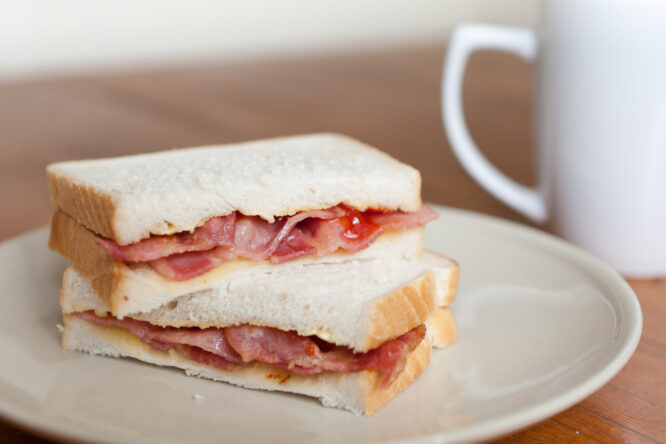
The honest answer is no, not really. Bacon is a processed meat, typically high in salt and saturated fat, and often cured with nitrites or nitrates to help it last longer and keep that familiar pink colour. It doesn’t offer much beyond its protein content, and you could easily get that from friendlier sources like eggs, lean meat, or beans instead.
That said, not all bacon is equally bad for you, and if it’s a regular fixture on your weekend table, knowing what to actually look for on the label can make a real difference. Two rashers of the fattiest streaky bacon out there can eat up around a fifth of a woman’s daily saturated fat allowance, while two rashers of the saltiest option can swallow more than 40% of your entire daily salt limit in one go. That’s a wide gap between brands sitting on the same shelf.
What the bacon showed once tested

Every single cooked pork bacon tested came back high in salt, and the saltiest products managed to pack more than 40% of an adult’s entire daily salt allowance into just two rashers. Saturated fat varied a lot more from product to product, some came in fairly light, others were considerably heavier.
One particularly eye-opening result came from a “luxury” supermarket range, which actually turned out to be the saltiest of everything tested. So paying more definitely doesn’t guarantee you’re getting something healthier, if anything, it’s often the opposite. Plant and poultry alternatives did better on fat, but salt still crept in more than you’d hope.
Why bacon gets lumped in with cigarettes on cancer warnings

Processed meat, bacon and ham included, has been classified as a proven cancer-causing substance by the World Health Organization, in the same overall category as tobacco. That sounds alarming, and you should stop to consider what it really means because it’s easy to read that the wrong way. It doesn’t mean a bacon sarnie carries anything like the same risk as smoking a cigarette. What it actually means is that scientists are equally confident in the evidence linking both to cancer, not that the size of the risk is the same. Confidence in the evidence and the scale of the danger are two very different things.
Three main culprits tend to get the blame for bacon’s dodgy reputation: salt, saturated fat, and preservatives like nitrites and nitrates. Each one plays its own part in why bacon’s best treated as an occasional indulgence rather than a daily habit.
Salt really is bacon’s biggest problem.

Too much salt is arguably bacon’s worst offence. It’s linked to higher blood pressure and a greater risk of heart disease, and under the UK’s traffic-light labelling system, not a single pork bacon tested scored anything other than red for salt. Every one of them was high. Salt content still varied a fair amount between brands though, some contained nearly three times as much as others.
Two rashers of the saltiest bacon alone accounted for well over 40% of an adult’s entire daily salt allowance. The encouraging bit is that switching to a lower-salt option makes a real, tangible difference, the leanest picks contained well under half a gram of salt for two rashers, a fraction of what the worst offenders packed in.
What all that saturated fat and those preservatives are doing
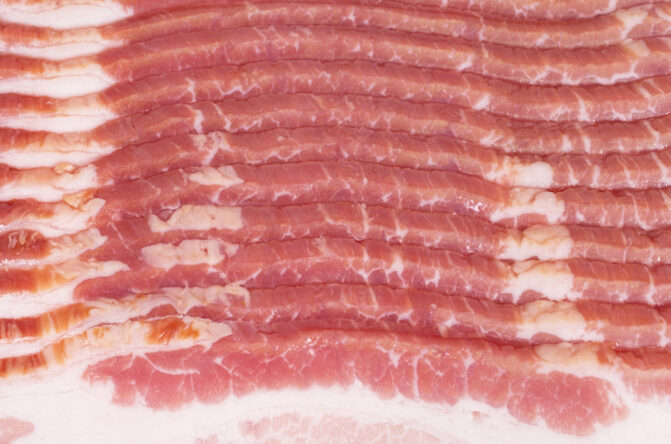
Too much saturated fat raises your “bad” cholesterol and pushes up your risk of heart disease over time. Health guidance suggests capping daily intake at 20g for women and 30g for men, and streaky bacon was consistently the worst culprit here, with just two rashers of one product containing over 4g of saturated fat, more than a fifth of a woman’s daily limit in one small serving.
Nitrates themselves occur naturally in loads of everyday foods and aren’t something to worry about on their own. The issue crops up when they’re added to meat and then cooked at high heat, since they can turn into harmful compounds. Nitrates and nitrites get added to bacon mainly to help it last longer, keep its pink colour, and stop dangerous bacteria growing. Some brands have ditched them entirely, though even “natural” swaps like celery powder end up converting into the same compound once dried, so it’s not quite the clean alternative it might sound like on a label. And skipping nitrites altogether doesn’t magically make bacon risk-free either, the combination of red meat, curing, and high-heat cooking still carries its own baggage regardless.
Does smoked bacon make a difference, and does cooking method matter?
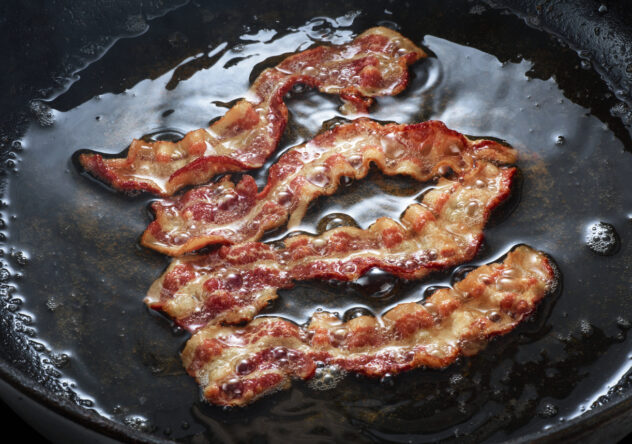
When it comes to calories, fat, and salt, smoked and unsmoked bacon actually turn out pretty similar. What really shapes the nutrition is the cut of meat and how it’s cured, smoking is mostly just about flavour, added right at the end. Traditional wood smoking can introduce a few compounds to be mindful of, though plenty of UK brands now use modern liquid smoke instead, keeping that smoky taste without the same baggage. And don’t assume unsmoked automatically means less salty either, plenty of unsmoked rashers tested were just as salty as their smoked cousins.
How you cook your bacon is also important. Grilling or baking on a wire rack lets the fat drip away naturally as it cooks, and frying at very high heat has been linked to more of those harmful compounds forming. A quick trim of visible fat before cooking, and a pat with kitchen roll afterwards, both help cut down what actually ends up on your plate. And honestly, treating bacon more like a garnish, a few crispy pieces scattered over something like poached eggs and spinach, rather than the main event, is an easy way to still get that salty, smoky hit without going overboard.
How do plant and turkey bacon actually stack up?
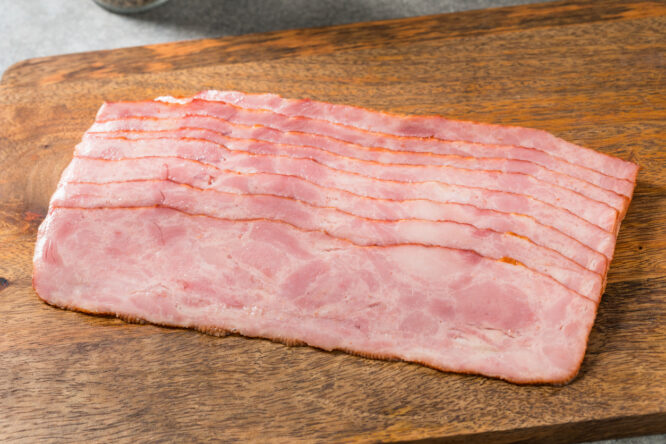
There’s a much smaller range of plant-based and poultry bacon on supermarket shelves compared to the traditional stuff, but what’s there does offer some useful trade-offs. Plant-based rashers tend to be the lighter option overall, though they can still sneak in more salt than you’d expect, while poultry versions offer a decent middle ground for anyone who still wants proper meat but a bit less of the heavy stuff.
From a heart-health point of view, plant-based bacon generally comes out on top, usually nitrite-free, lower in saturated fat, and still holding its own on protein against the real thing. One standout plant-based option kept saturated fat down to almost nothing, while containing less salt than several meat rashers, which is impressive up against traditional bacon. If you’d rather stick with a leaner meat option, look out for turkey bacon that states its cooked nutrition values on the pack, since turkey loses water as it cooks, so the raw figures printed on some packaging can actually understate what you’re really eating once it’s on your plate.
A few easy swaps to consider making
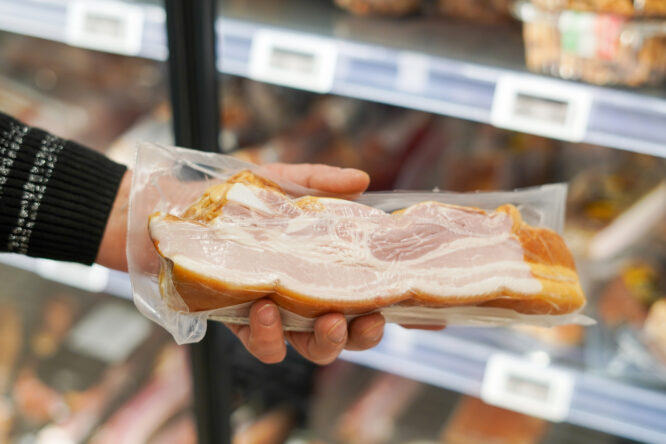
A handful of simple changes can make a difference without giving bacon up altogether. Swapping the saltiest bacon on the shelf for the lowest-salt option cuts the salt content by nearly two thirds, a big win for barely any change in taste. You should also be a little sceptical of “dry-cured” bacon marketed as a premium choice, that drying process can actually concentrate the salt rather than reduce it, so a fancier label doesn’t automatically mean a healthier rasher.
Choosing back bacon medallions over streaky is one of the simplest ways to cut down on saturated fat, two medallions typically contain a tiny fraction of what two streaky rashers do. If turkey bacon’s more your thing, look for something labelled “breast” or “loin” rather than just “turkey meat” or “formed,” since those vaguer terms can sneak in darker meat or fatty skin you weren’t expecting. And sugar honestly isn’t worth losing sleep over with standard bacon, most contain next to none, though you should keep an eye on anything “sweet glazed,” maple, or honey-flavoured, since those can push sugar levels up noticeably compared to the plain stuff.