Bungalows have had a massive image makeover in recent years.
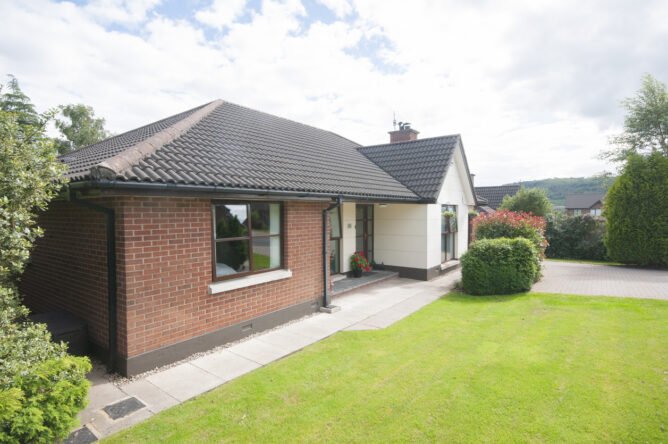
Once pigeonholed as the exclusive territory of retirees, single-storey living is now fiercely contested by everyone from young families wanting generous plots to downsizers looking to cut running costs.
The trouble is, tracking a decent one down has become a proper uphill battle. Developers simply aren’t building them anymore, with new-build registrations for single-storey properties dropping to historic lows as housebuilders squeeze two-storey homes onto pricey plots instead. That chronic shortage means competition is cutthroat and buyers are facing a serious premium. Before you jump into a bidding war, you’ll want to get your head around what you’re actually up against.
Who is a bungalow actually suited for?
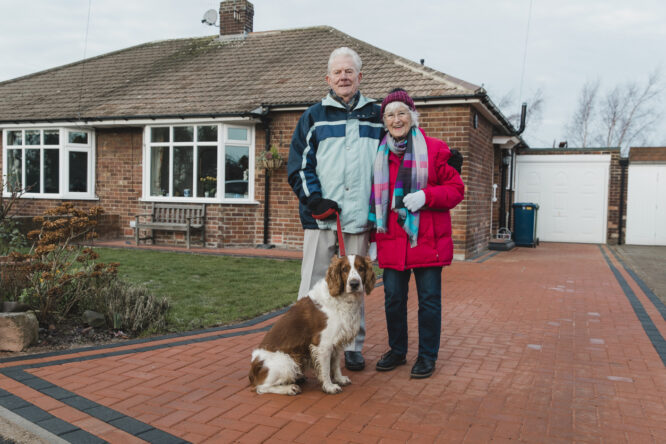
Bungalows tend to appeal to a fairly specific range of buyers. Downsizers moving from a larger family home often favour them for being easier to manage day to day, while people in their sixties or heading into retirement frequently choose one specifically to avoid dealing with stairs later in life.
Anyone with mobility issues, whether from disability, injury or simply reduced movement, tends to benefit hugely from a step-free layout, since it can meaningfully improve safety, comfort, and independence. Interestingly, young families are sometimes drawn to bungalows too, appreciating the lack of stairs and having children’s bedrooms close by, along with the potential to extend as the family grows, since bungalows often sit on more generous plots than standard houses.
What are the benefits of bungalow living?
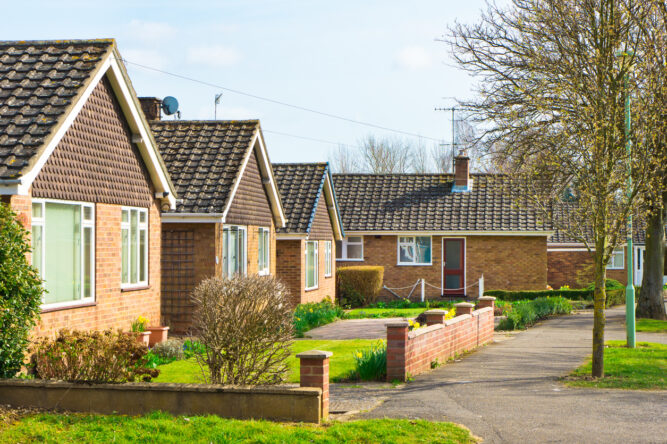
One of the biggest draws is low maintenance. With no stairs or second storey, there’s simply less structural complexity involved, which tends to mean fewer repairs and lower long-term upkeep costs. Easy access, both indoors and out, is another major plus, particularly for anyone using a walking aid or wheelchair.
Bungalows also tend to be safer for young children and older adults alike, removing the risk of falls on stairs entirely. Many sit on wider plots too, offering more privacy and larger gardens than a comparable house. And because everything sits on one level, reconfiguring the internal layout, extending outward, or adapting the home later tends to be considerably more straightforward.
Some buyers steer clear of bungalows.

Despite their appeal, bungalows aren’t the right fit for everyone. Supply is an issue in many parts of the UK, meaning buyers often struggle to find the right property in their preferred area, which in turn pushes prices upward.
Some buyers simply prefer having bedrooms upstairs, valuing the extra privacy and noise separation that comes with a two storey layout. There’s also a lesser known consideration sometimes called “bungalow legs”. A study of 6,000 older adults in Japan, published in the journal BMC Geriatrics, found that regularly using stairs helped slow age related physical decline, since stairs challenge the legs in ways that flat walking simply doesn’t. On top of this, a similarly priced two storey home often offers considerably more overall square footage, and new build bungalows are hard to come by given how few get built each year.
How do bungalows compare to standard houses?
Bungalows typically offer less internal space for the same price, with a single level layout that can feel more compact than a comparable two storey home. That said, they often provide better privacy on larger plots, even if they can be more overlooked by taller neighbouring properties in some settings.
Running costs can be higher too, since a larger roof area and more exposed walls can make bungalows pricier to heat unless properly insulated. Price per square metre also tends to run higher, largely due to the bigger plots required and limited overall supply. On the upside, bungalows generally offer excellent extension potential, whether that’s extending outward or converting the loft, and they remain the clear winner when it comes to step-free, wheelchair friendly living.
How can you find a bungalow worth buying?
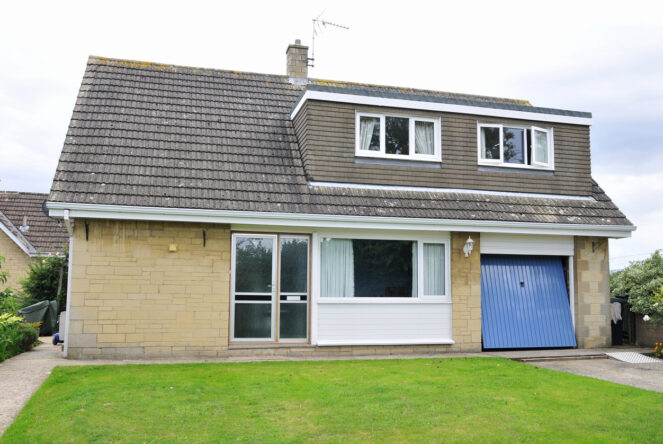
Bungalows are one of the hardest property types to track down, so widening your search area is a sensible first step, since they tend to cluster on the edges of towns or in specific villages rather than being evenly spread. Property portals like Rightmove and Zoopla allow filtering specifically for bungalows, which is a useful starting point.
You should also speak directly with local estate agents early on, rather than relying purely on online portals, explaining exactly what you’re after and asking to be told about new listings before they go live. Letting friends, family, and neighbours know you’re on the hunt can help too, since they may hear about a bungalow owner planning to sell before it’s publicly listed.
Don’t rule out dated or unmodernised properties either, since these are often the most affordable route in, and chalet or dormer style homes can work just as well if you’re open to slightly reconfiguring the layout. Given how quickly good bungalows tend to sell, having your mortgage in principle, solicitor and budget all ready in advance helps you move fast when the right one appears.
What should you check before committing to a bungalow?
Layout matters enormously in a bungalow, since a poor floorplan can make the whole property feel cramped with everything on one level. Check there’s proper separation between living and sleeping areas, and be aware that storage can be limited if the loft has already been converted, making built-in storage considerably more important.
You should also check the garden to check how easily neighbours can see into windows, patios or bedrooms, and thinking ahead about whether the layout could accommodate wider corridors or ramps if accessibility needs change later. Since bungalows are relatively easy to extend or adapt, check whether the loft offers real conversion potential, or whether there’s realistic scope to extend to the side or rear.
Watch out for roof condition and damp.
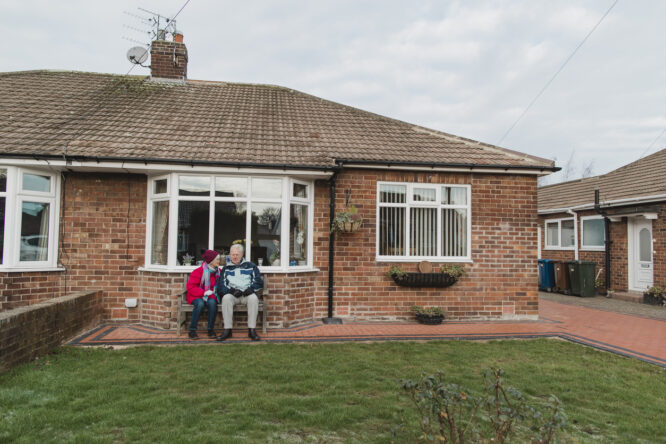
Roof condition deserves particular attention, since bungalows cover a larger surface area than a typical two storey house, making replacement an expensive job if needed. Look out for missing or slipped tiles, any sagging in the roofline, patchy or mismatched repairs, and the general condition of fascias, soffits, and guttering.
Damp is another area to check carefully, since bungalows can be more prone to it. Keep an eye out for mould, musty smells, peeling paint or condensation around windows, and confirm there’s adequate extraction in kitchens and bathrooms. Watch for damp staining around chimneys, dormers or any flat roofed extensions too. A proper survey remains essential regardless of what you can spot yourself, since it will flag potential issues and suggest further investigation where needed.
Check any previous extensions properly.
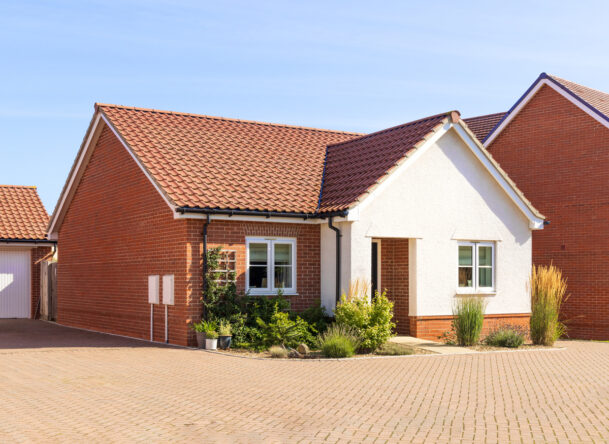
Many bungalows have been extended over the years, and a poorly executed extension can store up expensive problems for years to come. If you’re buying one that’s already been extended, ask to see evidence of proper planning permission, Building Regulations approval and completion certificates for any work carried out.
Look out for inconsistent floor levels, thin partition walls, or signs of DIY electrical work, along with any cracks, damp patches or poor insulation around the extension itself. It’s worth flagging this specifically to your surveyor in advance, so they know to pay particular attention to it during their inspection. Energy efficiency is also something to check via the property’s EPC rating, since a wide roof span and exposed walls can make bungalows costlier to heat if insulation isn’t up to scratch.
The survey truly isn’t optional.
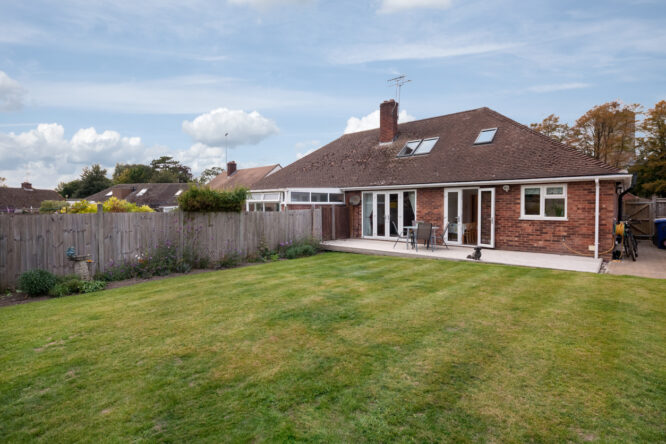
Even experienced buyers shouldn’t skip a proper survey when buying a bungalow. Recent research found that 30% of buyers who invested in a survey ended up saving money overall, since the findings allowed them to take action, whether that meant renegotiating price or requesting repairs, before completing the purchase.
Survey costs vary depending on the type chosen, location and property value, so compare options before booking one.
The wider disadvantages should be weighed up.
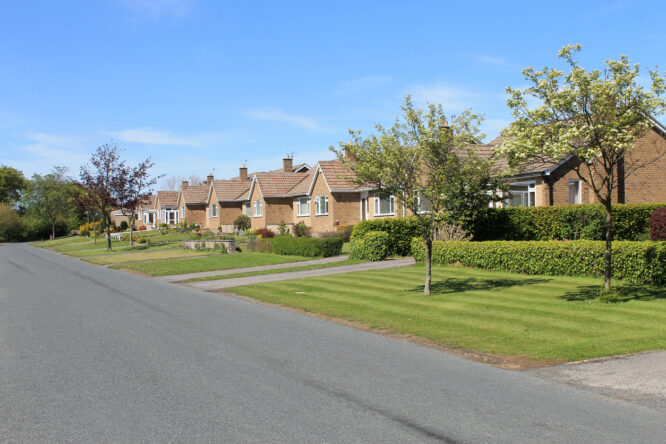
Beyond the specifics of any individual property, bungalows come with a few broader downsides to consider. They typically cost more per square foot than houses, given the larger plot needed and ongoing shortage of supply, and living space can feel noticeably smaller if you’re used to a larger family home.
Privacy can also be more limited in urban or suburban settings, where single storey properties are more easily overlooked by neighbouring homes. And with bungalows making up a small and shrinking share of UK housing stock, buyers can face limited choice, particularly in more desirable areas.
Bungalows have become legitimately hard to find.
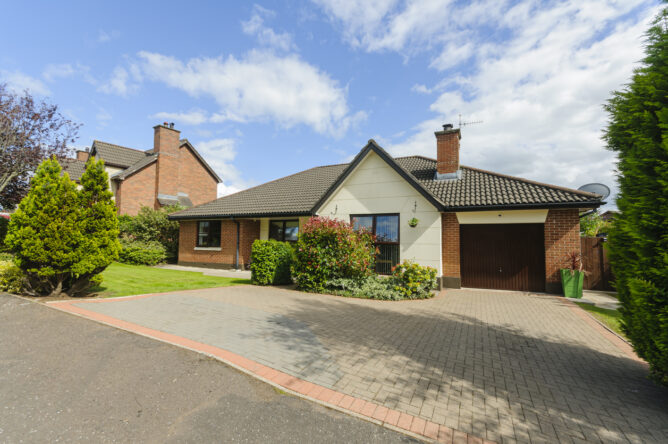
Research shows that 1.2 million UK homeowners aged 55 and over have put moving plans on hold over the past two years, despite originally considering it. Among the reasons cited were the general stress of moving, a shortage of suitable homes, and reluctance to leave familiar friends and neighbours behind.
The shortage of bungalows specifically is a major factor here. 38% of homeowners aged 55 and over say they’d prefer a bungalow for their next move, making it the single most popular choice among this age group. Yet builders have largely turned away from building them. According to NHBC data, bungalows made up 11% of new homes built in 1990, but just 1% in 2024. Given the UK’s ageing population combined with this shrinking supply, the gap between demand and availability looks set to keep widening.
There are alternatives worth considering if a bungalow isn’t realistic.
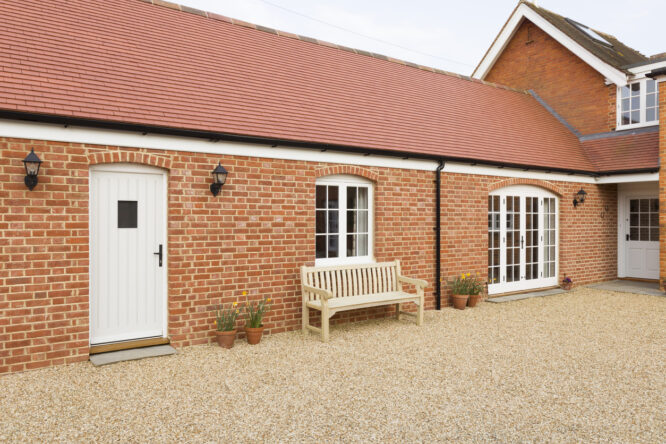
If buying a bungalow proves out of reach, a granny annexe is one option you can explore, essentially a self-contained unit attached to or built alongside a larger family home, typically including its own living space, kitchen, bathroom, and bedroom. These have become increasingly common, with around 60,000 annexes now estimated across England and Wales.
Retirement properties offer another alternative, built specifically for over 55s, though some restrict eligibility to over 60s or over 70s. These often come with communal facilities and on-site amenities, though you should be aware of potential downsides too, including costly fees if you later sell or sublet, weaker resale value, and steep ground rent or service charges, sometimes even while the property sits empty.