Departing flights from UK airports, including both Heathrow and Gatwick, are facing major disruption after an air traffic control failure brought departures to a standstill.
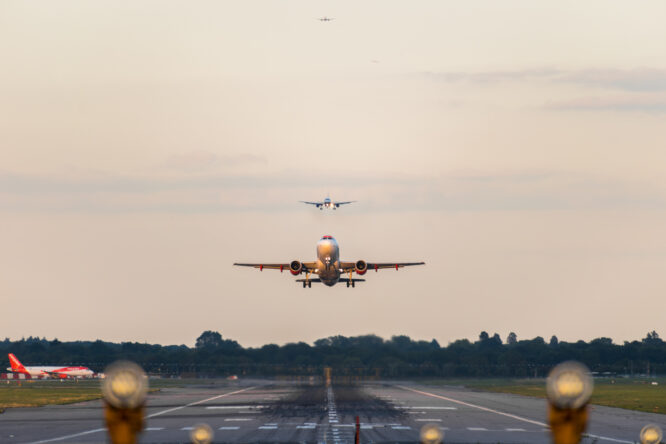
Thousands of passengers have found themselves stuck across the country as flights remain grounded.
What’s actually causing the disruption.
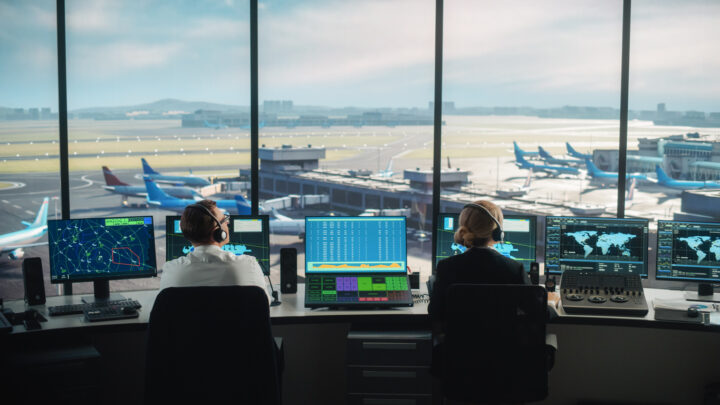
The UK’s air traffic control provider, NATS, is dealing with a technical fault that’s causing widespread problems specifically for outbound flights. Flights landing at UK airports aren’t currently affected by the issue.
Heathrow confirmed the fault lies with NATS and is affecting departures across UK airports, while arrivals continue as normal. The airport said its team is working alongside NATS engineers to get the problem sorted as quickly as possible, and promised further updates once more information becomes available. Heathrow apologised to anyone caught up in the disruption and encouraged travellers to check directly with their airline for the latest status of their flight, noting this problem is hitting every UK airport, not just Heathrow and Gatwick.
What NATS has said about the fault.

NATS confirmed it’s currently looking into a technical fault that’s disrupting flight departures. Engineers are already working on site to fix the problem, with further updates expected soon.
The organisation apologised for the knock-on delays passengers are experiencing, and advised travellers to get in touch with their airline directly to check on their specific flight.
How the disruption is playing out at airports.
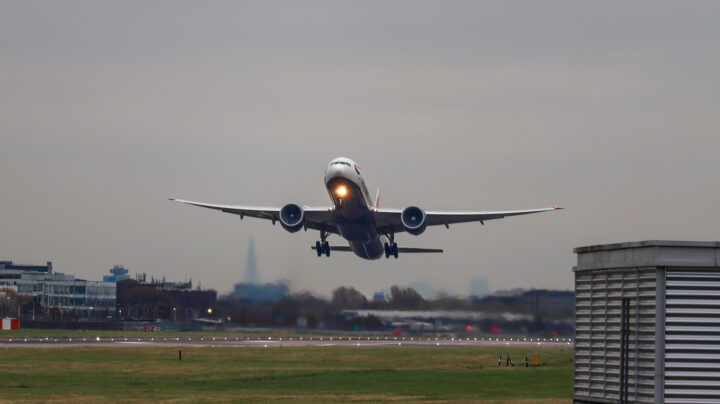
Heathrow’s airport management confirmed every outgoing flight has been temporarily paused as a result of the fault. One traveller from Manchester described a chaotic scene at Lisbon Airport, arriving on time for a 4.30pm flight to Heathrow only to be told the flight was now delayed by four hours, with growing queues at check-in desks full of frustrated passengers and unsettled children.
Jersey Airport confirmed the UK air traffic control problem is also affecting flights between Jersey and mainland UK, and advised passengers to check with their airline for updates. Gatwick issued a similar statement, acknowledging the NATS fault was affecting several UK airports including its own, and pointed travellers toward their airlines for further details.
How travellers have been reacting online.
Frustrated passengers quickly took to social media to vent about the chaos. One person said they’d been stuck waiting in a queue on the Heathrow runway for 90 minutes, while another described sitting aboard a British Airways flight with the engines switched off, closing in on the two hour mark.
Someone else posted that they were sitting on the tarmac at Alicante Airport waiting for a flight to Manchester, pointing out the disruption wasn’t limited to London. A separate traveller said they were stuck on board their plane at Luton too, highlighting just how far the problem had spread across the country’s airports.
What to do if your flight is delayed or cancelled.

With over seven million people expected to travel to European destinations this summer, some level of disruption during peak season is often unavoidable. If you’re caught up in it, knowing your consumer rights can help you recover compensation where you’re owed it.
If your flight gets cancelled less than 14 days before you’re due to travel, you’re entitled to either a replacement flight or a refund, and potentially compensation on top. This covers flights leaving from a UK or EU airport regardless of which airline you’re flying with, and flights landing at a UK or EU airport if the airline itself is based in the UK or EU. Outside of these situations, you’re still generally entitled to a refund or alternative flight, though compensation isn’t automatically guaranteed.
What you’re entitled to if you’re delayed.
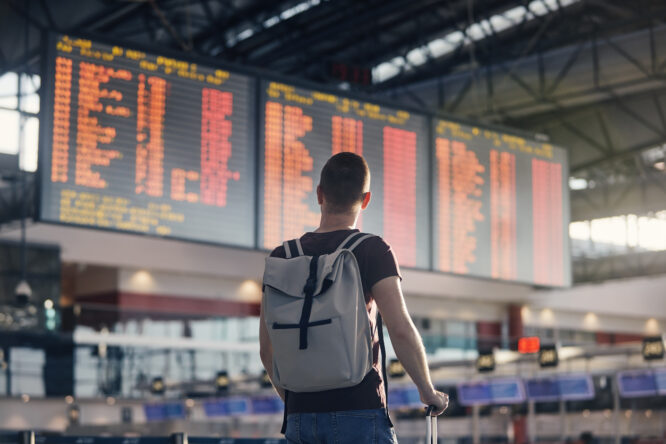
For UK or EU flights and airlines, arriving more than three hours late usually entitles you to compensation, unless the delay was caused by something outside the airline’s control, like extreme weather or an air traffic control strike. Reach out to the airline by phone or email, giving your flight details, booking reference and how long the delay ran. The compensation amount depends on both how long you were delayed and how far you were travelling.
If a delay runs to at least two hours on short flights, three hours on medium length journeys, or four hours on long-haul routes, airlines are required to provide passengers with free food and drink. If the delay forces an overnight stay, the airline also has to cover hotel accommodation along with transport to and from the airport. If they don’t provide this and you end up paying yourself, hold onto every receipt so you can claim these costs back afterwards.
Keeping evidence to support a claim.
Airlines often push back on compensation claims, so it helps to have solid evidence ready. Photograph delay notices on departure boards, along with any gate changes announced during your wait.
Hang onto emails, text updates and boarding passes too, since these can all strengthen a claim down the line. It’s also worth knowing that claims can be made for delays going back up to six years, so even a disrupted flight from a while ago could still be worth pursuing if you never got round to claiming at the time.