Energy bills are set to hit their highest level in three years this winter, with millions of UK households facing higher costs from October.

Just as the temperatures start to tumble and everyone contemplates flicking the heating back on, this is yet another bitter pill to swallow. Energy bills are heading straight back up toward eye-watering levels, hitting a three-year peak that’ll leave millions of families dreading the arrival of the October price cap adjustment.
Finding ways to shave even a few quid off your monthly direct debit feels like an uphill struggle, but the biggest drain on your wallet mightn’t be the wholesale gas markets at all. According to energy specialists, countless homes are needlessly throwing close to £150 down the drain every single year without realising it. It’s not down to leaving all the hallway lights blazing or running the washing machine half-empty, either. It comes down to one remarkably common, easily overlooked mistake with everyday household kit, and sorting it out takes just a couple of minutes of your afternoon before the colder weather properly bites.
What are “vampire devices”?
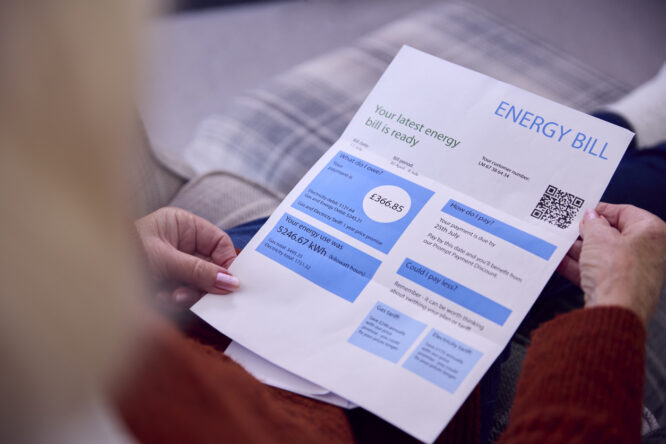
Households across the country are unknowingly letting so-called “vampire devices” quietly drain electricity throughout the home, even when they’re not actively being used. These are everyday gadgets left plugged in and switched on in the background, continuing to pull power long after you’ve stopped using them. The good news is that this particular problem takes only minutes to fix, and doing so could save a meaningful chunk off your annual energy bill without needing to change your usage habits in any major way.
This is more important than ever as bills are set to rise again.

From 1 October, a typical household on a standard tariff will be paying 4 per cent more for their energy, taking the average annual bill to £1,723. That’s the highest level households have faced in three years, making it a good time to look for easy ways to trim costs elsewhere.
Cutting out unnecessary standby power won’t offset the entire increase on its own, but combined with a rising bill, an extra £147 a year in savings suddenly becomes considerably more worthwhile than it might have seemed in previous years.
Wi-Fi routers are the biggest culprit.
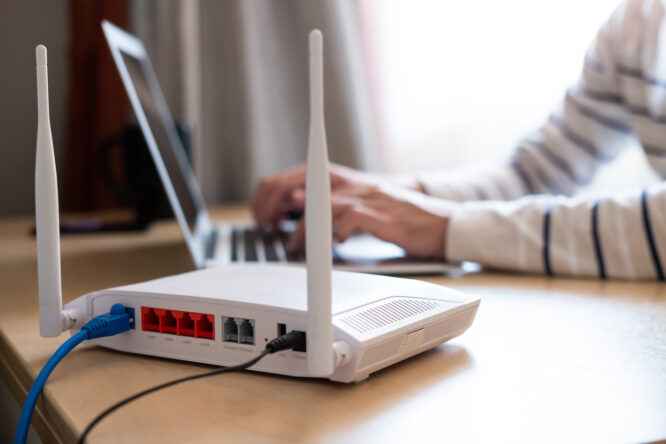
According to British Gas, Wi-Fi routers are actually the single biggest source of wasted electricity in most homes. Most of us leave these switched on constantly, whether we’re out of the house, asleep, or even away on holiday.
Left running around the clock, a Wi-Fi router alone can add up to £32.60 a year to your energy bill. Since most households only actually need internet access during waking hours, switching the router off overnight is one of the easiest changes to make without any real disruption to daily life.
TVs, set-top boxes and microwaves all add up too.

Leaving your television on standby rather than switching it off properly can add up to £30.60 a year to your bill, while a set-top box, such as a Sky box, can add a further £25 annually. Microwaves left plugged in when not in use can cost up to £21.70 a year too, a cost most people probably wouldn’t expect from an appliance that only runs for a few minutes at a time. Between these three devices alone, that’s over £75 a year potentially being lost purely to standby power.
Games consoles and computers quietly drain power too.

Games consoles like a PlayStation or Xbox left on standby can add £16.10 a year to your bill, while desktop computers left switched on or plugged in unnecessarily can add £14.80. Smart speakers and home assistant devices, such as Amazon’s Alexa, aren’t exempt either, adding an extra £13 a year when left running constantly, even during periods when they’re barely being used.
Larger appliances cost less, but still add up.
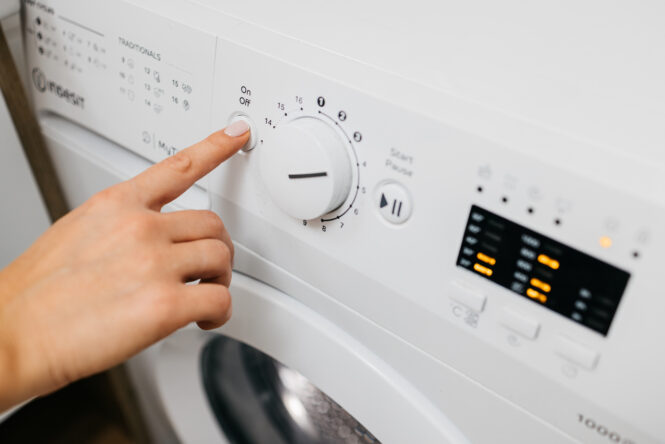
Bigger appliances like dishwashers and washing machines, which most people rarely think to unplug between uses, actually cost comparatively less to leave connected, adding £9.10 and £6.30 a year respectively. Even so, when combined with everything else left quietly running in the background, British Gas says households could save £147 a year in total simply by unplugging these nine devices whenever they’re not actively being used.
Simple habits can help cut the cost.
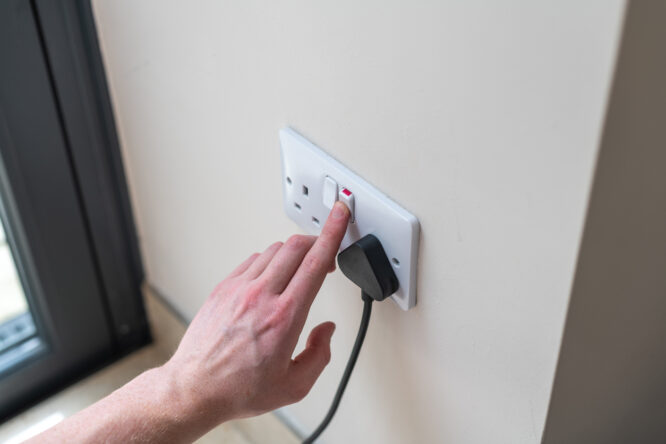
According to an energy expert at British Gas, households should get into the habit of switching devices off properly at the mains, rather than leaving them running on standby overnight. You should also avoid unnecessarily overcharging phones and laptops, and instead unplugging them as soon as they’ve finished charging rather than leaving them connected for hours afterward.
One practical tip is investing in a single extension lead for multiple devices, so everything can be switched off together at night with one simple flick. Alternatively, a smart plug that can be controlled directly from your phone offers an even easier way to manage this, letting you switch devices off remotely without needing to physically reach behind furniture every evening.