Walking has picked up a fresh wellness makeover on social media, with a trend called “lymphatic walking” gaining plenty of attention lately.
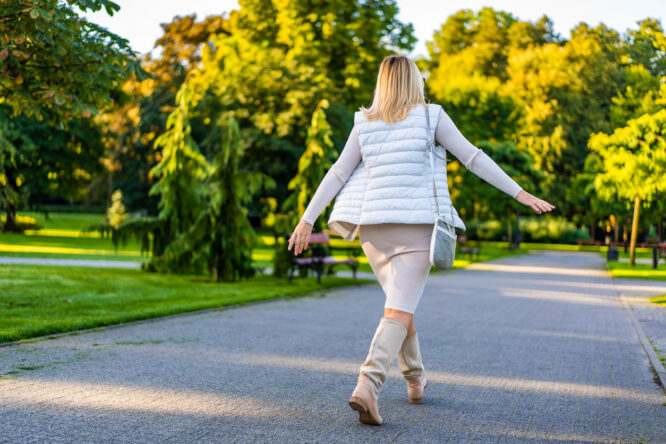
It involves swinging your arms more, keeping an upright posture, and taking deeper breaths while you walk, with followers claiming it can reduce bloating, boost circulation, support immunity, and even help flush toxins, according to some. So, is there any real science behind it, or is this just walking with extra steps?
What does the lymphatic system do?
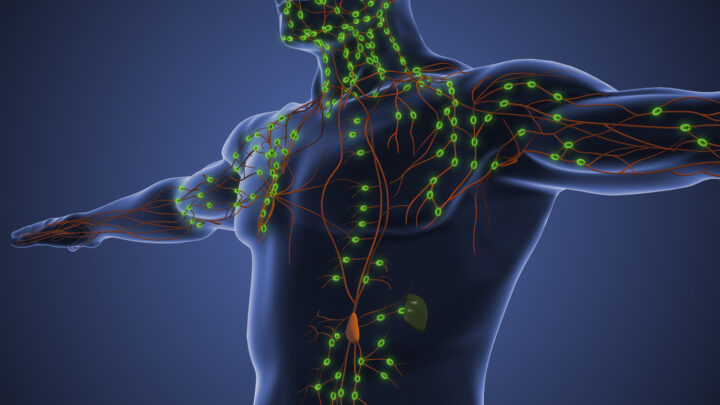
Before getting into whether a specific walking style can change how your lymphatic system works, it helps to understand what that system actually does in the first place. The lymphatic system is a network of vessels, tissues, and organs that works alongside your cardiovascular system. Fluid constantly leaks out of tiny blood vessels into the tissue surrounding your cells, and the lymphatic system’s main job is collecting that excess fluid and protein and returning it back into circulation.
Beyond that, the system also plays a role in digestion, helping absorb dietary fats and fat-soluble vitamins from the small intestine. Lymphatic vessels in the gut interact closely with your gut microbiome and immune system too, helping maintain intestinal health and keep inflammation in check. The lymphatic system is also central to immunity more broadly, transporting immune cells through lymphatic vessels and lymph nodes, where immune responses get coordinated.
The lymphatic system relies on muscles to keep moving.

Unlike the cardiovascular system, which has the heart acting as one central pump, the lymphatic system doesn’t have an equivalent. Instead, lymph, a clear to pale yellow watery fluid, moves through the body in a few different ways. Lymphatic vessels can contract on their own to some extent, but flow is also driven by pressure changes created through breathing, and by the contraction and relaxation of the muscles surrounding these vessels.
Your muscles essentially act as pumps. As they contract, they compress the blood and lymphatic vessels running through and around them. Combined with one-way valves inside these vessels, this movement helps push fluid forward, and in the lower limbs particularly, upward against gravity.
Your calves are sometimes called a “second heart”.
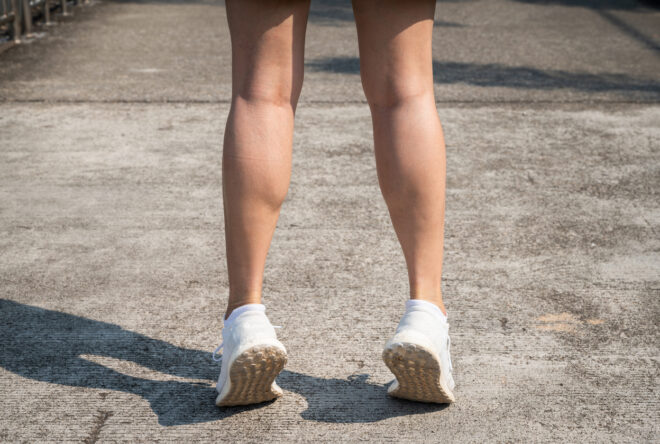
The calf muscles are probably the best known example of this system in action. Every time you take a step, the muscles in your lower leg contract and relax, helping push blood in the veins back toward your heart. It’s exactly why the calves are sometimes nicknamed the body’s “second heart”.
This effect isn’t limited to your calves specifically, or to walking alone, though. Any exercise that engages skeletal muscle can support lymphatic flow in a similar way, which means deliberately using muscles throughout your arms, legs, and trunk while moving does have a real physiological basis behind it.
Breathing plays a meaningful role too.

Breathing itself contributes to this process as well. The diaphragm is your main breathing muscle, and every breath you take changes the pressure inside your chest and abdomen. Breathing more deeply from the diaphragm creates larger pressure changes, which can help move blood and lymph from the lower body up toward the chest and back into general circulation.
These same pressure changes around your digestive organs can also help move food through the gut, supporting the circulation and lymphatic flow responsible for transporting absorbed nutrients and clearing metabolic waste.
So, does “lymphatic walking” actually offer anything special?

Given all this, walking with more deliberate arm movement, deeper breathing, and greater muscle engagement does have physiological meaning behind it. Where things get shakier is the claim that this needs to be presented as something unique or specifically necessary to “activate” your lymphatic system in a way ordinary walking somehow doesn’t.
Currently, there’s no clear evidence that lymphatic walking outperforms ordinary walking for otherwise healthy people. The specific combination of arm swinging, posture and breathing being promoted online hasn’t actually been shown to deliver any special detoxifying, fat-burning or immune-boosting effect beyond what regular movement already provides.
This practice does hold value in some areas.

That said, the broader underlying idea, moving with purpose, engaging more muscle, and breathing more deeply while doing it, does make solid physiological sense. Exercise already plays an important role in managing lymphedema, a condition where the lymphatic system struggles to drain fluid properly, leading to swelling. Muscle-pumping activities, including regular walking, can help support that drainage process for people managing this condition.
The real takeaway for most people is simple.

The best thing most people can actually do for their lymphatic system is therefore considerably simpler than this trend makes it sound. Move regularly, move with purpose, and move often. Every step, stretch, and muscle contraction counts, whether or not you’re consciously swinging your arms while you do it.