If you dread lengthy exercises sessions, this one’s for you.

Turns out a punishing three minutes of all-out effort might actually do more good than plodding along on a treadmill for an hour and a half, at least beneath the surface. For anyone struggling to carve out an hour for the gym between work and family life, new research offers a welcome shortcut.
Scientists looking at cellular responses have found that short, sharp bursts of sprinting or intense cycling spark far greater metabolic changes in your bloodstream than long, gentle cardio ever manages. Pushing your muscles right to their limit clears blood sugars and triggers key fitness markers in a fraction of the time, proving that working harder can easily beat working longer.
Any movement still counts, but intensity clearly matters.

Before diving into the sprinting research, it’s worth noting that any exercise beats none at all, and even a relatively slow ten minute jog offers real benefits for your joints, heart, and general longevity. That said, this new study, published in the journal Cell Reports Medicine, suggests high intensity exercise like sprinting or intense cycling might offer some unique health advantages that gentler workouts simply don’t match.
How the study was actually carried out

Researchers split participants into two groups. One group completed six sets of 30-second all-out sprints on a stationary bike. The other cycled at a steady, moderate pace for a full 90 minutes. Blood samples were taken from everyone both before and after their respective workouts, allowing researchers to directly compare what had actually changed inside their bodies.
The results were striking.

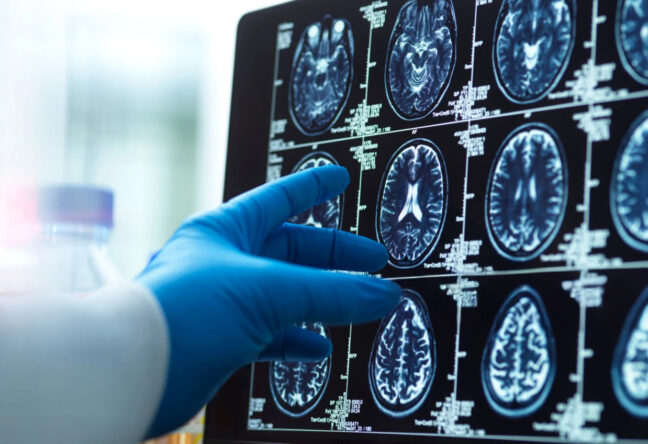
The difference between the two groups turned out to be dramatic. The 90-minute moderate exercise group saw changes in fewer than a quarter of one percent of their blood proteins, a tiny change overall. The sprinting group, by contrast, saw roughly a quarter of all their blood proteins altered after just a few minutes of intense effort. Sprinting also triggered changes in around 200 different metabolites, along with a noticeable surge in proteins tied to blood vessel growth, tissue repair, and hormonal signalling throughout the body.
Researchers believe some of these proteins may enter the bloodstream through a process called ectodomain shedding, essentially existing proteins being released rapidly into circulation in response to the intense physical demand placed on the body.
Even fat cells responded differently.

In a particularly interesting twist, researchers exposed human fat cells in the lab to blood taken from people who’d just completed high intensity training. Those fat cells started behaving differently, processing fuel, sensing available nutrients, and responding to hormones in ways they hadn’t before being exposed to that post-sprint blood. The moderate exercise group’s blood produced no comparable effect on fat cells at all. Interestingly, whatever changes did occur in that group’s blood only appeared around three hours after their workout had finished, a much slower and more muted response overall.
What this might mean for long-term health

To understand what these molecular changes might actually mean for real people’s health, researchers cross-referenced their findings against data from over 53,000 participants in the UK Biobank, a large-scale health research resource. Many of the specific proteins that flooded participants’ bloodstreams after sprinting turned out to be linked to a lower risk of heart disease and metabolic conditions like type 2 diabetes. More than a quarter of these proteins were also associated with slower biological ageing, suggesting intense exercise might help slow down some of the internal processes tied to getting older.
Why a few minutes can matter so much
One of the researchers involved noted that what makes this particularly exciting is that just a few minutes of intense exercise can trigger such a significant molecular response within the body. Notably, this same response was still observed even after participants had been training for eight weeks, suggesting it isn’t simply the body struggling to cope with an unfamiliar type of stress. Instead, researchers believe this reaction may be a fundamental, built-in response to intense physical exertion itself, rather than something that fades once the body adapts.
Another researcher involved in the work explained that while it’s long been understood that different intensities of exercise trigger distinct changes throughout the body, the actual molecular mechanisms behind those differences have remained largely unclear until now. This research points to specific proteins and metabolites, released into the bloodstream during exercise, as likely being the key drivers behind the particular health benefits associated with short, intense bursts of physical activity.