Some people never really think about number plates, but for those who do, you’ll want to listen up.
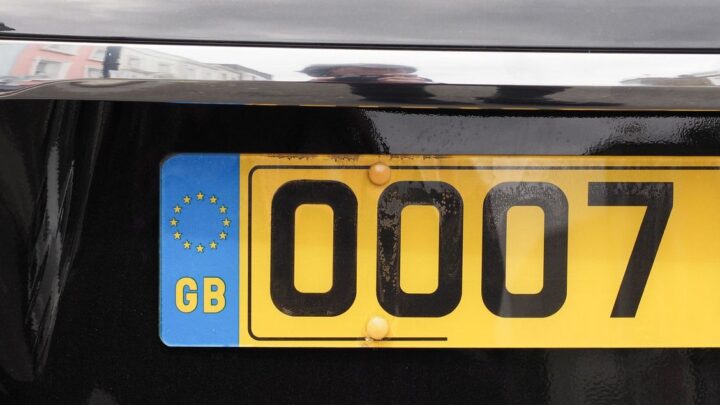
For anyone looking to put a brand-new car on the driveway, or simply trying to figure out how old that secondhand motor down the street actually is, the UK registration system can seem like a bit of a code. With the identifiers updating twice every single year, keeping track of which digits belong to which month takes a bit of working out.
The next big rollout arrives on 1 September 2026, when fresh models rolling out of British showrooms will sport the new “76” age identifier. Whether you’re planning a trip to a dealership, looking ahead to what’s coming in 2027, or just want to make sense of the letters and numbers on the road, here’s a plain-English breakdown of how the whole setup works and what that 76 tag tells you.
The importance of 1 September

The 76 plate officially comes into use on 1 September 2026. It applies to any vehicle first registered from that date right through to 28 February 2027, when the next change takes over. So if a car is first registered on 1 September 2026 or any point up until the end of February 2027, it’ll carry a 76 age identifier.
Before this change, vehicles registered between 1 March and 31 August 2026 use the 26 plate instead. That means right now, in August 2026, the 26 plate is still the current identifier, with the 76 plate just around the corner.
How the twice yearly plate change actually works

UK registration age identifiers update on 1 March and 1 September every single year, and have done since the current system was introduced back in September 2001. The March identifier simply uses the final two digits of the year, while the September identifier adds 50 onto that same number.
So for 2026, March gives you the 26 plate, and September gives you 76. The same pattern continues going forward too, with March 2027 producing a 27 plate, and September 2027 bringing in the 77 plate. This twice yearly system gives manufacturers, dealers, and buyers two clear registration points across the year, rather than everything being tied to a single annual change.
Recent and upcoming registration periods

To make sense of which plate applies when, it helps to see the recent cycle laid out clearly. Vehicles registered from 1 March 2025 up to 31 August 2025 carry a 25 plate. From 1 September 2025 through to 28 February 2026, vehicles carry a 75 plate. The current period, running from 1 March 2026 to 31 August 2026, uses the 26 plate.
From 1 September 2026, the 76 plate takes over, running until 28 February 2027. After that, the cycle continues with the 27 plate from 1 March 2027 through to 31 August 2027. This pattern makes it fairly straightforward to work out roughly when a car was first registered, just by looking at its plate.
What year is a 76 plate car, exactly?

A 76 plate simply tells you that a car was first registered somewhere between 1 September 2026 and 28 February 2027. It’s a common misunderstanding to assume the number relates directly to the year a car was built, but that’s not quite how it works.
The registration identifier is tied specifically to when the vehicle was first registered, not necessarily when it rolled off the production line. It’s entirely possible for a car to have been manufactured earlier in 2026, but only registered after 1 September, meaning it would still carry the 76 plate despite being built several months prior. If you’re trying to establish the true age or history of a specific vehicle, checking its actual registration date is a far more reliable approach than assuming the plate number tells the whole story.
What the current 26 plate actually signifies

Right now, as of August 2026, the 26 plate is the most recent identifier in use, covering vehicles first registered between 1 March 2026 and 31 August 2026. As with any plate, it doesn’t necessarily mean every component of the car was manufactured within that same window.
If you’re looking at a used car with a 26 plate, you’ll want to consider more than just the registration number when assessing its overall condition and value. Mileage, service history, general condition and specification all matter just as much, if not more, than the plate alone.
Why the 75 plate can sometimes cause confusion

The 75 plate is a good example of why the registration system can trip people up if you’re only thinking in calendar years. A 75 plate was issued to vehicles first registered between 1 September 2025 and 28 February 2026, which means it’s entirely possible to come across a 75 plate car that was actually first registered in early 2026, despite the “75” seemingly pointing to 2025.
This is exactly why relying purely on the calendar year, rather than understanding the full registration period each plate covers, can lead to confusion when working out a vehicle’s actual age.
Does a newer plate actually affect a car’s value?

A newer registration can influence how buyers perceive a vehicle, since a fresher plate is often associated with a newer, more desirable car. That said, the registration number is only one piece of the puzzle when it comes to determining value. Mileage, overall condition, specification, service history, the engine, or powertrain, and how many previous owners a car has had all play a meaningful role too.
The September change specifically can also create a fairly stark distinction between two cars that are, in reality, almost identical in age. A car registered on 31 August 2026 would carry the outgoing 26 plate, while one registered just a single day later, on 1 September, would carry the new 76 plate. Despite there being only 24 hours between them, the difference in plate identifier might make one car appear noticeably newer to a casual buyer, even though there’s barely any real difference in age.
What this means if you’re ordering a new car around September

If you’re in the process of ordering a new car around the time of the September change, you’ll want to find out whether your vehicle is likely to be registered before or after 1 September, since this will directly determine which plate it ends up carrying.
If you’re arranging a new car through a leasing provider, it’s sensible to confirm expected registration and delivery timing before finalising your agreement. A vehicle delivered and registered from 1 September 2026 onward would typically carry the new 76 plate. That said, exact delivery dates can change depending on vehicle availability and preparation timelines, so it’s best not to treat the September changeover as a guaranteed delivery date in itself.
How Northern Ireland’s registration system differs

It’s worth flagging that the age identifier system described here, covering plates like 25, 26, 75 and 76, applies specifically to registrations in Great Britain. Northern Ireland operates under a different registration system entirely, so its plates shouldn’t be interpreted using the same March and September rules.
The distinction is an important one if you’re checking the age of a vehicle registered in Northern Ireland, since applying the Great Britain age identifier rules in that case would likely lead to an incorrect assumption about the car’s actual age.
Some number plates are withheld by the DVLA.
Not every possible combination that fits the standard registration format actually makes it into circulation. The DVLA reviews upcoming registration combinations ahead of release and withholds any that are considered offensive, inappropriate, or otherwise unsuitable for public use.
The specific combinations withheld can vary from one registration period to the next, so be cautious about assuming a list from a previous year still applies to the current September 2026 release.
Understanding the format of a standard UK number plate

A modern UK number plate follows a consistent structure: two letters, followed by two numbers, followed by three more letters. For example, a plate might read AB26 CDE. In this format, the first two letters act as a local memory tag, generally reflecting the region where the vehicle was first registered.
The two numbers that follow represent the age identifier, which is the part that changes every March and September. For the upcoming change, this simply transitions from 26 to 76. The final three letters are randomly allocated and don’t carry any particular meaning beyond helping create a unique registration for each vehicle.
What comes after the 76 plate?

Looking further ahead, the registration cycle continues in exactly the same predictable pattern. The next change after 76 will be the 27 plate, arriving on 1 March 2027 and running until 31 August 2027. Following that, the 77 plate will take over from 1 September 2027 through to 28 February 2028.
Knowing this pattern makes it easy to work out roughly when any UK registered vehicle was first put on the road, simply by checking which plate period its age identifier falls into.