Burpees have a reputation for being one of the most hated exercises out there, and also one of the most effective.

They combine a squat, a plank, sometimes a press up, and a jump into a single movement, which means they hit your legs, core, chest, shoulders and arms all in one go. That efficiency is exactly why so many people wonder what would happen if they did burpees every single day instead of saving them for the odd gym class.
The answer isn’t straightforward. Doing burpees daily can bring real gains in fitness, but it can also bring soreness, fatigue and a higher risk of injury if you push too hard without any recovery. Here’s what actually tends to happen to your body, and how to build up to daily burpees without wrecking yourself in the process.
Your heart and lungs adapt surprisingly fast.
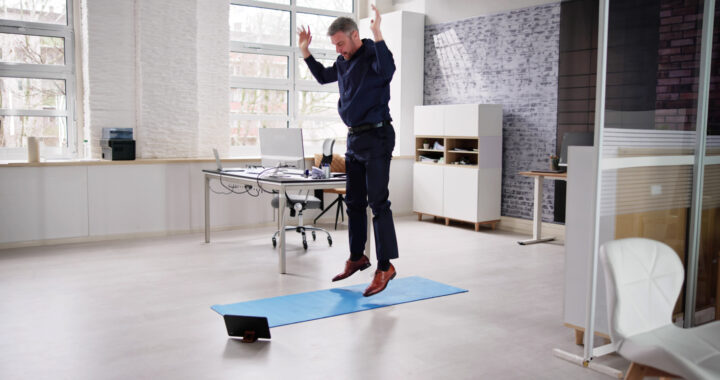
Burpees raise your heart rate almost instantly, which makes them a useful cardio exercise even though there’s no running or cycling involved. Within a couple of weeks of doing them regularly, most people notice they get out of breath less easily during everyday activities, whether that’s climbing stairs, carrying shopping, or keeping up with kids in the park.
This happens because your heart and lungs get more efficient at delivering oxygen to your muscles the more you challenge them. Burpees are demanding enough to force that adaptation quickly, which is part of why they show up so often in short, high intensity workouts rather than longer, steadier ones.
You’ll likely burn a fair few calories along the way.

Because burpees use so many muscle groups at once and push your heart rate up so quickly, they burn more calories per minute than a lot of other bodyweight moves. Done consistently and paired with a balanced diet, that can support weight management over time, though burpees alone were never designed to be a shortcut to weight loss on their own.
What tends to matter more is that doing something demanding every day builds a habit. A lot of people find that a couple of days in a row of burpees gives them enough of a sense of achievement to keep going, which is often the harder part of sticking with any exercise routine.
Muscle and strength gains build gradually.

Because burpees combine a squat, a plank and often a jump, they work your legs, core and upper body without needing any equipment. Do them consistently over several months, and you’ll likely notice improvements in overall strength and muscle tone, alongside better endurance and the ability to stay active as you get older.
None of this happens overnight, of course. The people who see the biggest long-term benefits are the ones who build up gradually rather than trying to do dozens of burpees from day one.
Soreness and overuse issues are the real risk.

The flip side of doing any high-impact move every day is that your body doesn’t always get the chance to recover. Burpees put repeated strain on your wrists, shoulders, knees and lower back, and skipping rest days can lead to nagging discomfort in those areas rather than the kind of muscle soreness that fades after a day or two.
Doing the same movement day after day for months or years can also raise the risk of chronic joint irritation, and it limits the variety your body needs to develop evenly. If soreness starts to interfere with daily tasks or other workouts, that’s usually a sign to scale back rather than push through.
How to start doing burpees without overdoing it

The best approach is to focus on getting the movement right before worrying about how many you can do. For the first couple of weeks, aim for two to three sessions a week rather than daily, with two or three sets of five modified burpees, stepping back into the plank instead of jumping, and 60 to 90 seconds of rest between sets.
From there, you can start building up volume, working towards three to four sets of five to ten burpees, adding a small jump once you’re comfortable, and gradually increasing your speed while keeping your form under control. Once standard burpees feel easy, you can add extras like a press up at the bottom or a tuck jump at the top to keep challenging yourself.
Not everyone should be doing them daily.

Burpees aren’t right for every body. Anyone with knee, shoulder, wrist, or back issues may need to modify the move or avoid it altogether, and anyone with a heart condition should check with a doctor before taking on high intensity exercise like this. There’s no shame in stepping back instead of jumping, especially for older adults, beginners, or anyone still working on their balance.
Getting the form right matters more than speed.

Start by squatting down with your hands on the floor and your feet roughly shoulder width apart, then kick or step your feet back into a plank while keeping your core braced and your back flat. Bring your feet back underneath you with control, stand up, and finish with a small jump if you want to add intensity.
Smooth, controlled movement beats rushing through as many reps as possible. Going slowly, especially when you’re still learning the movement, does far more for your fitness and your joints than racing through a set with sloppy form.
Burpees every day can absolutely pay off, better cardio fitness, more strength, a solid calorie burn, but only if you build up sensibly and listen to your body when it needs a break. Get the balance right, and it’s one of the most efficient exercises you can add to a daily routine without any equipment at all.