Getting enough vitamin D into your system is a bit of an uphill battle in the UK.
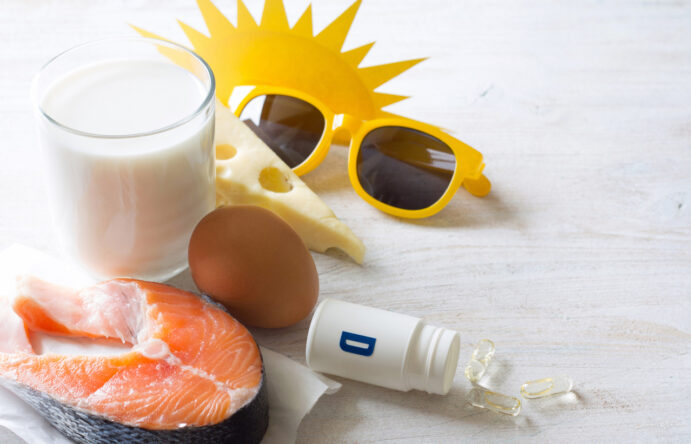
That’s especially true once the gloomy autumn and winter months roll in and sunshine becomes a rare luxury. Because our bodies rely heavily on daylight to make it naturally, huge numbers of us end up running on empty without even realising.
While popping a daily supplement is the go-to advice for most of the year, what you chuck in your shopping basket can give your levels a massive, natural boost as well. Relying on food alone isn’t always straightforward since very few ingredients naturally pack a punch, but top dietitians and nutritionists swear by a handful of reliable, nutrient-dense staples. If you’re looking to bump up your intake at meal times, here are the five best foods to add to your plate.
Sunlight alone often isn’t enough.

Vitamin D earns its nickname as the “sunshine vitamin” for good reason. Exposure to sunlight is the main source for most people, since UVB radiation triggers vitamin D production in the skin. When skin is exposed to these rays, a compound called 7-dehydrocholesterol converts into previtamin D, which then becomes usable vitamin D.
The trouble is most people simply don’t get enough sun exposure to keep up. Living somewhere with limited winter sunlight, spending most of the day indoors, having higher melanin levels in the skin, and getting older can all reduce how efficiently the body produces vitamin D. Regular use of sun protection makes a difference too. It’s essential for reducing skin cancer risk, but it also lowers vitamin D synthesis at the same time, and on top of all that, natural food sources of vitamin D are pretty limited.
Food needs to fill the gap.

Given how unreliable sunlight can be year-round, eating foods rich in vitamin D, or fortified with it, becomes important for maintaining healthy levels. Most adults need around 600 IU (15 micrograms) daily, rising to 800 IU (20 micrograms) once past 70. With that in mind, here are some of the best food sources worth building into a regular diet.
Mushrooms
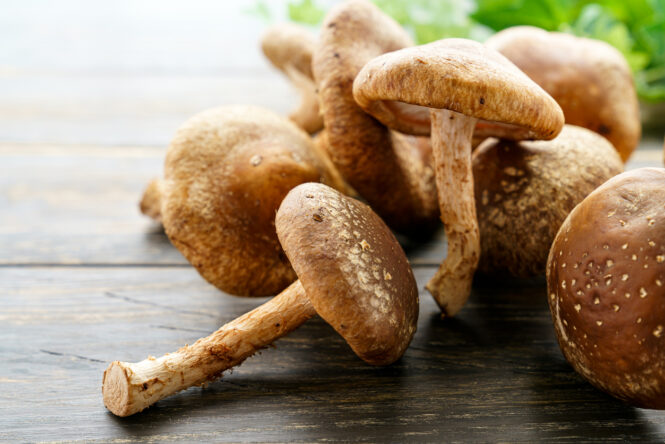
Mushrooms, particularly those exposed to sunlight or UV radiation during growing, contain a compound called ergosterol that converts into vitamin D when hit with UV light. A single serving can provide anywhere from under 50 IU to more than 1,000 IU, depending on the mushroom variety and how much UV exposure it’s had. Mushrooms also bring plenty of antioxidants, which protect healthy cells, and B vitamins that support energy metabolism and DNA synthesis.
Sautéed mushrooms work well folded into an omelette, pizza, stir-fry, or pasta dish. A side of balsamic mushrooms rounds out a meal nicely, and cheese-stuffed portobello mushrooms make a satisfying, vitamin D-rich main. Mushroom powder is another easy option, sprinkled onto eggs or soup for an extra umami kick alongside the nutritional boost.
Fatty fish
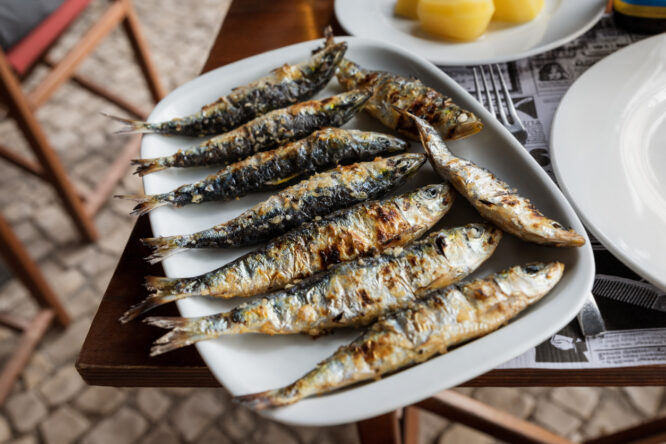
Fatty fish rank among the richest natural sources of vitamin D, including salmon, rainbow trout, herring, sardines, and mackerel. A typical cooked portion of salmon offers well over 400 IU, while a tin of sardines provides close to 180 IU. These fish also bring omega-3 fatty acids that support heart health, along with high-quality protein for muscle maintenance. Sardines or salmon eaten with the bones in also provide calcium, which works alongside vitamin D to support bone health.
A lemon-herb sardine salad makes a quick, easy lunch, while salmon and spinach burgers pair well with pasta or crusty bread. Pan-fried anchovies work nicely as a simple starter, and a classic tuna salad sandwich remains a reliable everyday option too.
Dairy milk
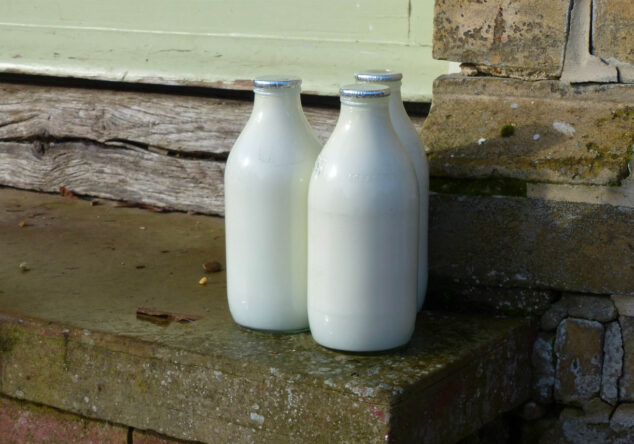
Milk is best known for its calcium content, but most dairy milk is also fortified with vitamin D, which helps the body actually absorb that calcium properly. A standard 8oz serving typically provides around 100 IU of vitamin D alongside 300 mg of calcium. Milk also supplies protein, phosphorus, potassium and B12, nutrients that support everything from tissue repair to healthy blood pressure and red blood cell formation.
Milk works well in lattes, smoothies, porridge, or soups for a creamier texture, and mixing it into pancake or waffle batter adds a bit of extra nutrition to breakfast. Yoghurt and cottage cheese offer another easy way to get a combined boost of vitamin D and protein in one go.
Egg yolk
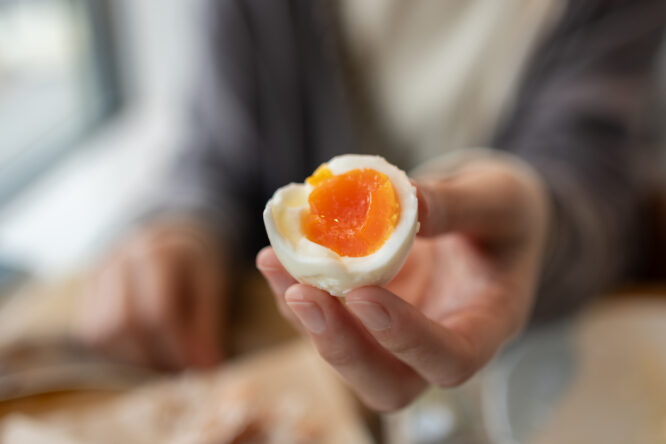
Egg yolk is considered a good source of vitamin D, with a single yolk providing around 20 IU. Beyond vitamin D, yolks contain unsaturated fats, choline, and antioxidants like lutein and zeaxanthin, which support eye health.
Making sure to use the yolk when cooking omelettes or scrambled eggs is an easy way to capture this benefit. Devilled eggs make a great starter or side dish, and yolks can also be turned into hollandaise sauce, perfect served over roasted vegetables or eggs benedict.
Beef liver
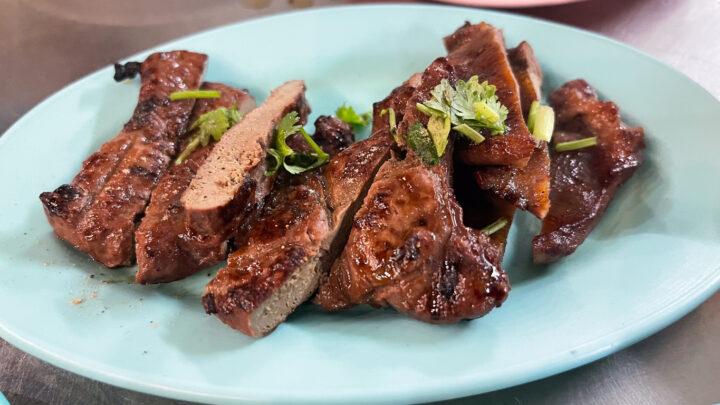
While not the richest source on this list, beef liver does naturally contain vitamin D, with a typical serving offering a modest but solid amount. It also provides vitamin A, which supports vision, and protein for muscle mass, making it one of the more nutrient-dense foods available overall.
Beef liver served with sautéed onions and rice makes a flavourful main dish, while beef liver and brie sandwiches offer a simpler lunch option for anyone new to cooking with liver.