Lemons might be a basic staple for cooking and drinks, but their natural acidity makes them an effective, eco-friendly alternative to harsh chemical sprays.
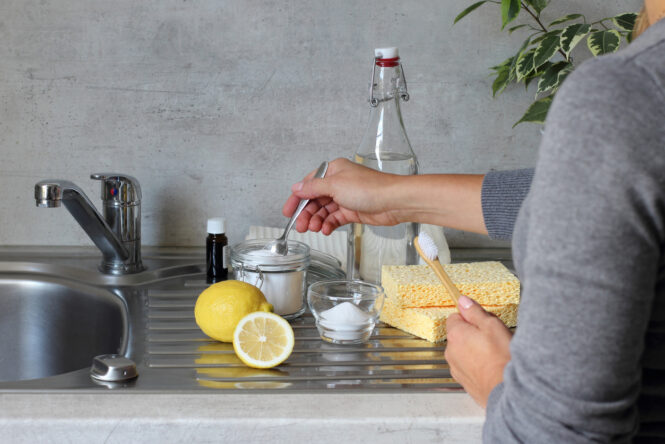
Instead of cluttering your cupboards with expensive bottles full of fumes, a couple of fresh lemons from the fruit bowl can do a surprising amount of heavy lifting right across the house. From cutting through stubborn limescale on taps to lifting stubborn stains and deodorising grimy kitchen kit, they’re easily one of the cheapest cleaning tools you can buy. If you’re looking to cut back on single-use plastics and clean your living space naturally, here’s how to put them to good use.
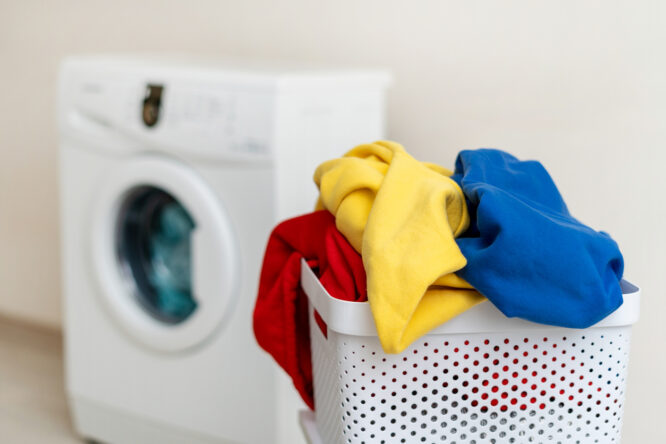
Removing stains from laundry

Lemons are particularly good at keeping clothes clean, especially white fabrics that tend to look dull over time. Adding half a cup of lemon juice to a wash cycle helps brighten fabrics naturally, thanks to lemon’s mild bleaching properties, giving tired-looking garments a real refresh.
For more stubborn stains, mix lemon juice with water in a 1:2 ratio and soak the affected item for around 10 minutes before washing as normal. This approach works particularly well on grease stains specifically, where applying lemon juice directly to the mark, letting it dry, then washing as usual tends to lift it effectively.
Descaling washing machines, dishwashers, and kettles
Limescale build-up is a common nuisance across washing machines, dishwashers and kettles, and left untreated, it can affect how efficiently these appliances run and how long they last. Lemons offer a simple, natural fix for all three.
For a washing machine, squeezing some toothpaste onto two lemon halves and popping them into the drum before running a short, hot cycle helps tackle watermarks and eliminate lingering odours, leaving both the machine and future laundry loads fresher. For a dishwasher, cutting a lemon in half and placing both halves in the bottom drawer before running a regular cycle allows the acidity to dissolve limescale and soap scum, improving performance and leaving the interior smelling clean.
Kettles benefit from lemon peel specifically, making it a handy way to use up leftover scraps rather than throwing them out. Filling the kettle to its maximum capacity, adding the peel from one lemon, and bringing it to the boil allows the citric acid to break down limescale deposits inside. Once cooled, the kettle can simply be emptied out, and the process repeated if any limescale remains for a spotless result.
Cleaning a microwave properly
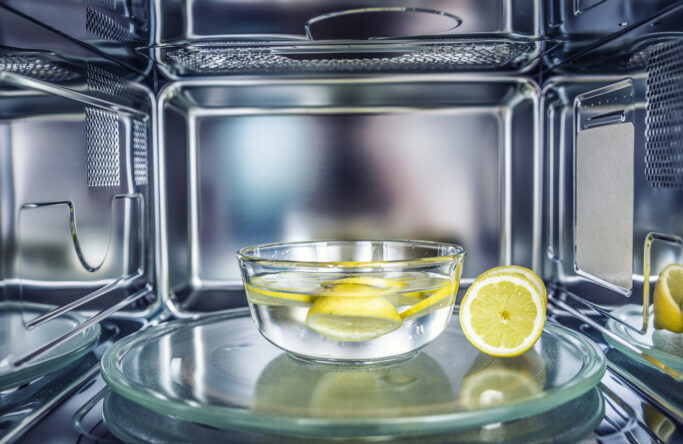
Microwaves tend to become a hotspot for food splashes and lingering smells over time, but lemon juice offers a straightforward way to deal with both issues at once. Squeezing the juice of a lemon into a heatproof dish with 100ml of water, then microwaving the mixture on full power for one minute before letting it sit for around 10 minutes, does most of the work.
The steam released loosens stubborn stains and grease stuck to the interior walls. Once cooled, wiping down the inside with a clean, damp cloth removes any remaining residue, leaving the microwave clean and smelling fresh rather than simply masking odours with a spray.
Surfaces to avoid cleaning with lemon

Despite how versatile lemons are, they’re not suitable for every surface in the home. Porous materials like natural stone, including marble and granite, should be avoided entirely, since the acidity can etch and permanently damage the material over time.
The same caution applies to brass-plated items and unsealed wood, both of which can discolour or erode when exposed to lemon juice. If there’s ever doubt about how a particular surface might react, testing a small, inconspicuous area first is always the safer approach before committing to a full clean.
Making lemon a regular part of your cleaning routine
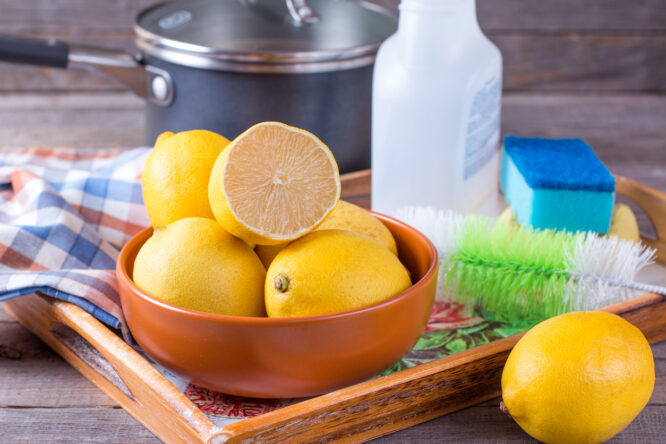
Incorporating these lemon-based methods into a regular cleaning routine offers a natural, eco-friendly way to keep a home looking and smelling fresh, without relying on harsh chemical products. It’s a low-cost swap too, since most households already have lemons on hand for cooking, meaning very little extra spending is needed to put these methods into practice.
The main thing to keep in mind throughout is steering clear of surfaces sensitive to acidity, and doing a quick spot test whenever there’s any uncertainty, since a few seconds of caution can prevent unnecessary damage to a surface that might otherwise have looked completely fine to clean.