More than 25,000 vehicles were stolen across the UK in the first six months of 2026 alone.
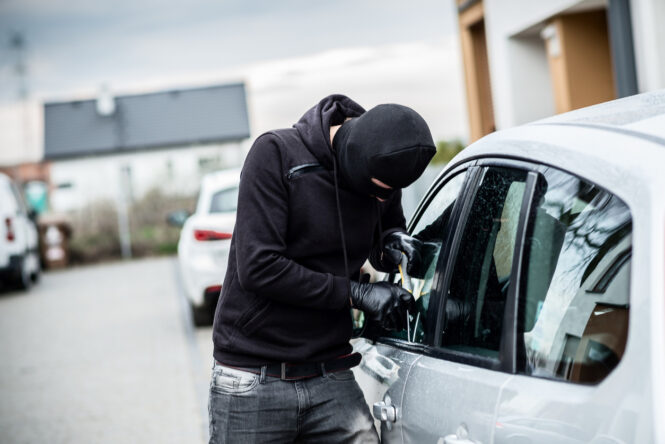
What’s worse, police figures are showing car thieves are working faster and using smarter tech than ever to strip drives bare. While luxury motors and high-end 4x4s usually grab the headlines, the latest police data reveals that criminal gangs are increasingly setting their sights on everyday runarounds, leaving one massively popular family favourite holding the unwanted title of Britain’s most pinched motor. With keyless relay thefts continuing to catch ordinary motorists off guard, owners across the country are being urged to check their security setup before their pride and joy vanishes into the night.
Which car is being stolen the most?
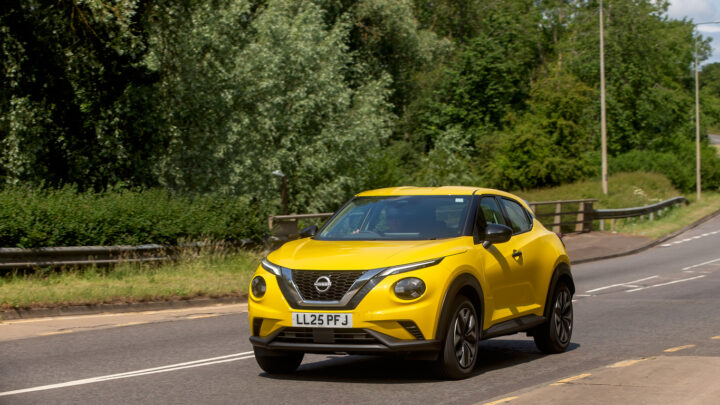
The Nissan Juke came out on top between January and June this year, with 197 stolen. That’s a notable jump from where it sat in 2025’s full-year rankings, when it placed only fifth, meaning it’s now climbed to become the single most targeted specific model on UK roads so far this year.
It wasn’t just smaller, everyday cars catching thieves’ attention, either. Premium models made the list too, including around 90 BMW 330E M Sport Autos taken from streets across the country during the same period.
Electric cars are now a common target.
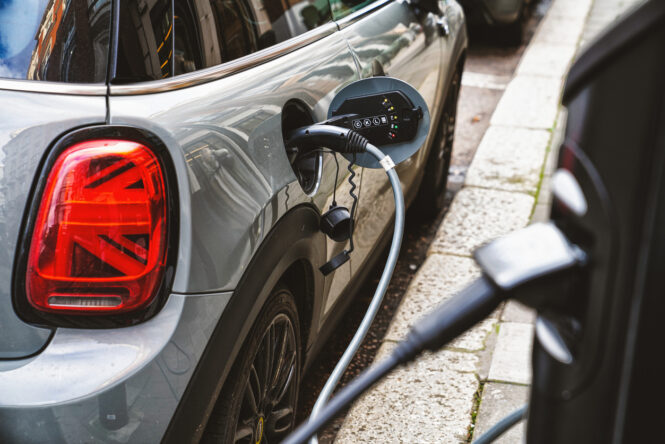
For the first time, pure electric vehicles have broken into the UK’s top 20 most stolen cars, taking up four spots on the list. That marks a real change in what thieves are going after, since EVs weren’t previously considered a major target in these rankings.
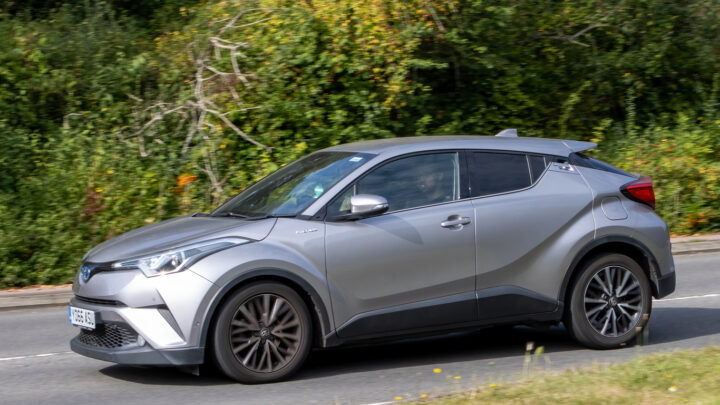
Toyota also had a rough six months, with five separate models from the brand appearing across the top 20, spanning everything from hybrid SUVs to the Prius.
The full top 20 list
Nissan Juke Tekna CVT – 197 stolen
Toyota C-HR Dynamic HEV CVT – 160
Ford Fiesta Titanium Turbo – 140
Toyota C-HR Excel HEV CVT – 125
Ford Fiesta Zetec – 121
Toyota Prius Hybrid – 115
Hyundai Ioniq 5 Ultimate EV – 115
Ford Fiesta ST-2 Turbo – 114
Ford Fiesta Titanium X – 112
Hyundai Ioniq Premium HEV S-A – 110
Toyota (model unspecified) – 101
Ford Fiesta Titanium – 100
Toyota RAV4 GR Sport PHEV Auto – 92
Ford Fiesta ST-3 Turbo – 90
BMW 330E M Sport Auto – 89
Hyundai Ioniq 5 Premium EV – 89
Kia Niro 2 EV – 88
Hyundai Ioniq Premium SE HEV S-A – 84
Ford Fiesta Zetec Turbo – 82
Kia Niro 4 EV – 76
How the overall numbers compare to last year
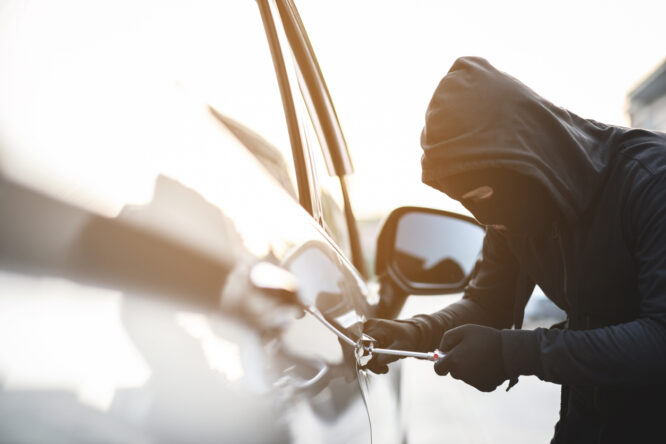
Across the first half of 2026, a total of 25,050 cars were reported stolen nationwide. That’s actually a slight decrease compared to the same period in 2025, when 27,831 vehicles were taken over the equivalent six months.
Despite the overall dip, the shift toward electric and hybrid vehicles appearing so heavily on this list suggests thieves are adapting their targets as more of these models hit UK roads. Ford Fiestas make up a striking chunk of the list too, with six separate trims appearing across the top 20, which reflects both how common the model still is on UK roads and how relatively easy older keyless systems can be to bypass.
Why keyless entry has become such a weak point
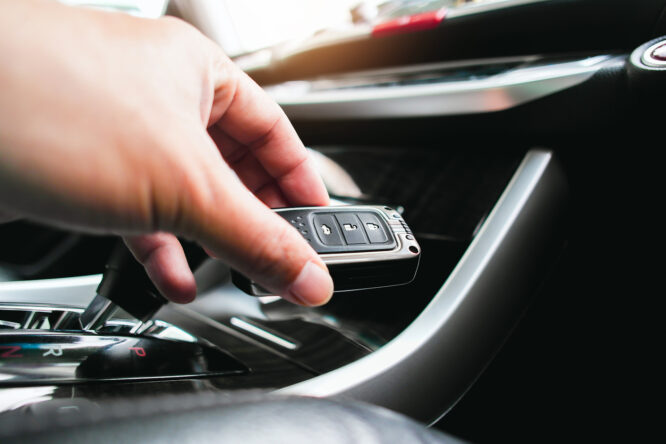
Many of the models on this list, including the Fiesta and Juke, use keyless entry systems that thieves have learned to exploit through a method known as relay theft. This works by capturing the signal from a car’s key fob, even through a closed front door, and relaying it to the vehicle to trick it into unlocking and starting as though the real key were present.
This technique doesn’t require breaking a window or forcing a lock, which is part of why keyless cars remain such an attractive target despite years of manufacturer warnings. A signal-blocking pouch, sometimes called a Faraday pouch, stops a key fob’s signal from being picked up by relay devices, and it remains one of the cheapest and most effective ways to guard against this specific method.
Why EVs need a different kind of security
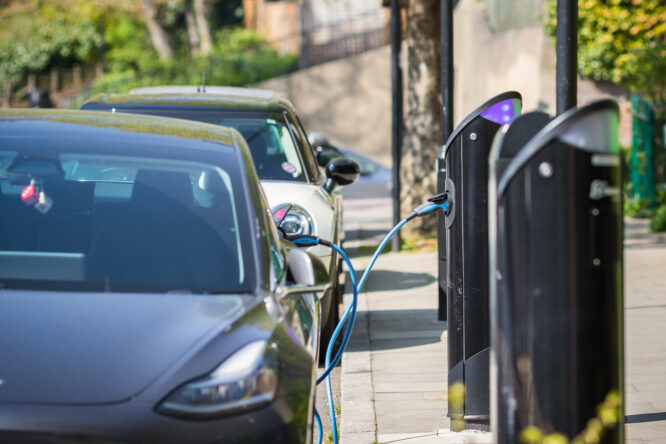
According to one insurance expert who analysed the DVLA data, security measures need to evolve alongside the technology now sitting inside these vehicles. With pure EVs entering the top 20 for the first time, the usual advice around basic car security doesn’t fully cover what’s needed anymore.
Beyond standard precautions like Faraday pouches and parking nose-in to make wiring access harder, EV owners are being urged to pay particular attention to their companion smartphone apps. If that app holds a digital key to the car, a simple password isn’t considered strong enough protection anymore, and setting a PIN or biometric lock instead is now recommended.
Other practical steps for EV owners
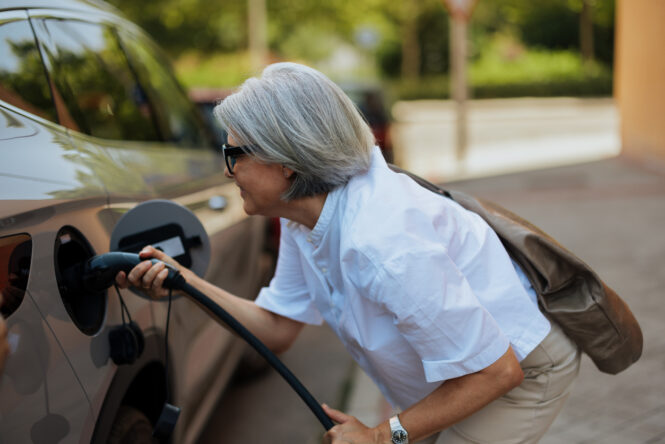
Locking charging cables in place helps prevent component theft, since cables and connectors have become a target in their own right for some thieves, partly driven by the value of the copper and connectors inside them. Keeping software updates active on both the vehicle and its companion app is also flagged as important, since manufacturers frequently patch security vulnerabilities through these updates, and running outdated software can leave known weaknesses unaddressed for months.
Extra precautions worth considering regardless of car type
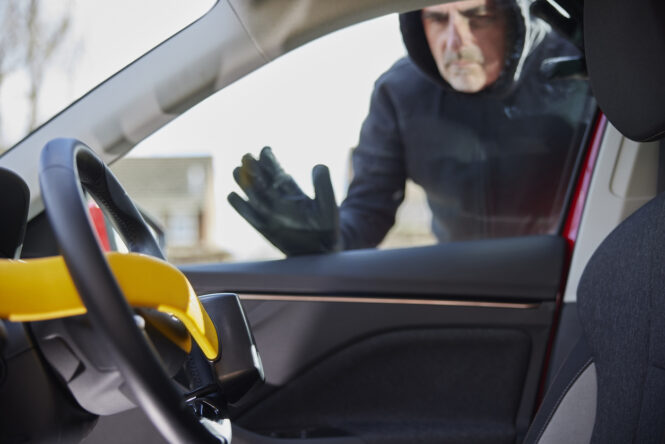
For owners of any vehicle appearing on this list, a few additional low-cost steps can add meaningful extra protection. A visible steering wheel lock remains an effective deterrent, since it adds a physical barrier that relay theft alone can’t bypass, even once a car has been unlocked and started.
Parking in a well-lit area, ideally covered by CCTV or within sight of a house, also reduces the window of opportunity for thieves who typically look for a quick, low-risk target. For households with a driveway, using it rather than parking on the street removes one of the easiest opportunities available to opportunistic thieves working through a neighbourhood.