Ozempic and drugs like it have already proven themselves medically, helping people manage blood sugar, lower heart risk, and shed a serious amount of weight.
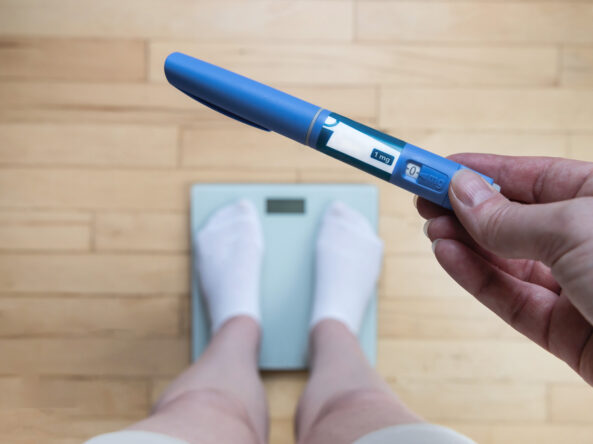
However: there’s a bigger question floating around all this hype: does taking these injections actually transform anything else about someone’s daily life, habits, or mental well-being? Social media is full of extreme stories about total lifestyle overhauls, making it sound as though these medications fix every aspect of a person’s existence overnight. However, a new study suggests the reality is a lot more modest and grounded than the popular narrative would have you believe.
While the physical changes are clear, the actual day-to-day impact on personal happiness, social habits, and overall mindset turns out to be far less revolutionary than expected. Here’s what the latest research reveals about what actually happens to your life once the weight starts coming off.
Researchers actually wanted to know about more than just the physical effects of GLP-1s.
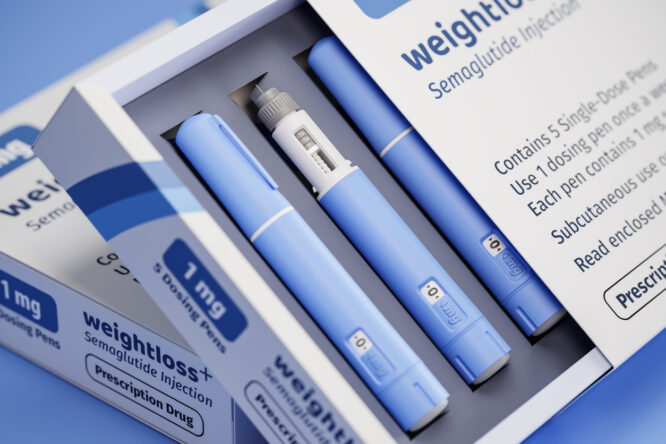
An economist at the University of Chicago wanted to look past the obvious physical wins from GLP-1 drugs and ask a different question: does any of that spill over into the rest of someone’s life? Things like their job, their relationships, their marriage, how they feel day to day.
The physical side of these drugs is well proven at this point, but nobody had really dug into whether that improvement carries over into anything else. And that gap matters more than it might sound, especially with insurers and government health schemes currently deciding how widely to open up access to these medications.
How did researchers actually go about studying this?

Researchers pulled over a decade of data from a big, nationally representative US health survey, zeroing in on adults with diabetes who took part between 2012 and 2023. Rather than just comparing people on the drug against people who weren’t, they tracked the same individuals over time, watching how each person’s own life changed after they started treatment.
That distinction actually matters a lot. Comparing two separate groups of people risks picking up differences that were already there beforehand, rather than anything the medication itself actually caused.
What they actually found was surprising.

At first glance, there did seem to be some differences between people on GLP-1 drugs and those who weren’t, particularly around jobs and marriage. However, once researchers followed the same people before and after they started treatment, those differences pretty much vanished.
That pattern points to something simple: the original gaps were probably just pre-existing differences between the two groups, not something the drug caused. And it wasn’t a fluke either, the results looked the same whether they checked in after about a year on the medication or followed people for a full two years. Neither timeframe turned up much evidence of real change in any of the bigger areas researchers looked at.
This doesn’t mean nothing’s happening at all.

It’s important to be upfront about the fact that this doesn’t prove GLP-1 drugs have zero effect beyond the physical. Any impact there might just be small, deeply personal, or simply hard to pick up with the kind of blunt measures researchers had to work with.
The study looked at things like whether someone got a job or lost one, got married or divorced, and standard mental health checkboxes. Useful stuff, sure, but it doesn’t really capture something more personal, like feeling more confident, having better relationships, or just generally feeling better about life day to day. Someone could really feel like a different person without any of that showing up in whether they’re married or employed.
The physical benefits are still the real headline here.

None of this takes anything away from the solid medical case for these drugs. For adults with diabetes, the clearest, most consistent wins are still exactly what’s already been proven in clinical trials, better blood sugar control, real weight loss, and better physical health overall.
As more people start taking these drugs purely for weight loss rather than diabetes, more research is going to be needed. Studies looking at different groups of people, followed for longer stretches of time, might eventually pick up on broader changes that this particular study just wasn’t built to catch.