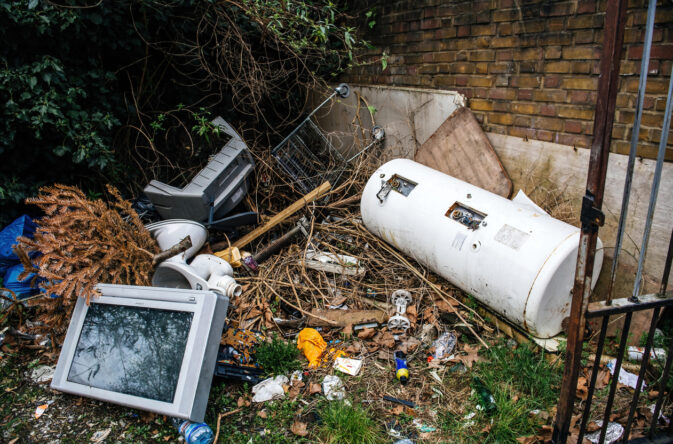
It’s a classic British driving frustration: coming home after a long day only to find a total stranger’s car parked directly outside your front door, blocking your usual spot.
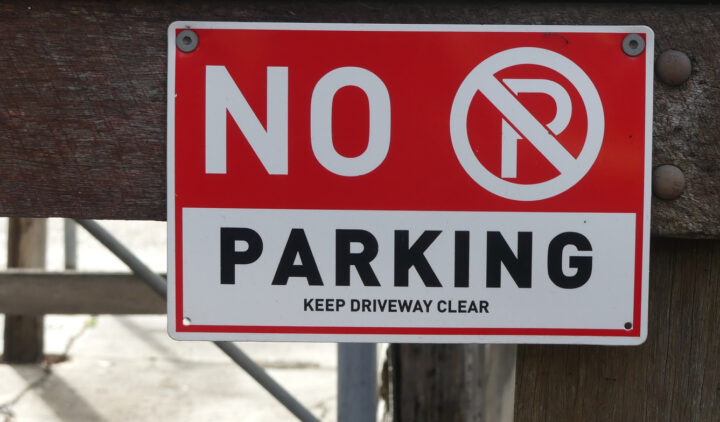
Your first impulse might be to head online, buy an official-looking “No Parking” or “Keep Clear” sign, and screw it firmly to your wall or gate. However, before you go placing order confirmation emails or drilling into your masonry, the legal reality of who actually owns the road space outside your property might surprise you. You’ll need to know what the law actually says about putting up your own parking signs, whether they carry any real legal weight, and what options you have if neighbours or commuters keep taking up space on your street.
If you live on a private road, you’re in luck.
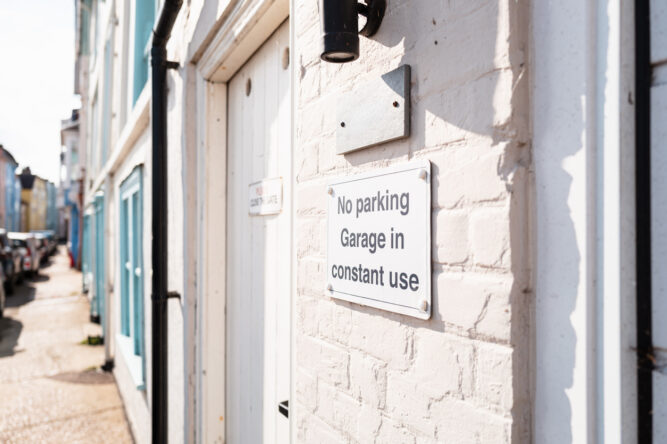
If your road is private, you generally have the right to restrict parking along it, which means putting up a no parking sign and enforcing it is usually within your rights. Private roads aren’t maintained or controlled by the council; they’re managed by the people who live there instead, which is exactly what gives residents this kind of authority in the first place.
That said, a few practical things still matter. The sign itself needs to be clearly visible and easy to read, and it must state plainly that parking is prohibited. You’ll also need to actually be able to enforce it, meaning you need some way to identify and take action against anyone who parks illegally despite the sign being there; otherwise, the sign amounts to little more than a polite suggestion.
Public roads work very differently.
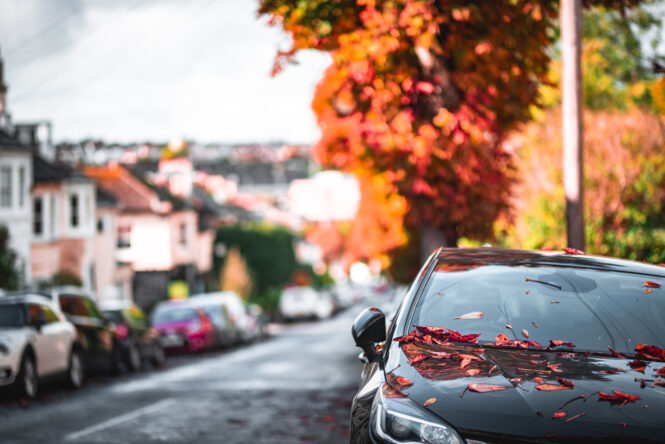
If you live on a public road, you can’t legally put up a no parking sign without first getting permission from your local authority. This distinction catches a lot of people out, since many assume that living directly outside a stretch of road automatically gives them some say over what happens on it, when in reality public roads fall firmly under council control.
Councils may grant this permission if there’s a good reason behind the request, such as safety concerns or the need to keep access clear for emergency vehicles. Even with that permission secured, other parking restrictions may still apply on top of it. There could, for example, be a time limit on how long vehicles are allowed to park in that particular spot, regardless of your sign, so check exactly what’s already in place before assuming a new sign solves everything.
There are times when planning permission comes into the picture.

Putting up a no parking sign on your property might also require planning permission, particularly if the sign would be visible from a public road. This is a step people often overlook entirely, assuming that because a sign sits on their own land, no further approval is needed.
Getting this sorted means submitting a planning application to your local authority, including details like the sign’s size, location and overall design. If you’re at all unsure whether your situation requires this step, contacting your local authority directly for advice is the safest route before putting anything up, since removing an unauthorised sign after the fact is considerably more hassle than checking beforehand.
Tips for getting your sign right

Whether or not permission is required, a few practical steps help make any sign effective rather than just decorative. Make sure it’s clearly visible and legible from all directions, and position it somewhere prominent, such as right at the entrance to your driveway where approaching drivers can’t easily miss it.
Bright colours and contrasting fonts help the sign stand out and get noticed rather than blending into the background of a typical street. The message itself should be simple and direct, clearly stating that parking isn’t permitted, and you’ll want to double-check your local parking restrictions beforehand to make sure everything lines up with existing rules in your area rather than accidentally contradicting them.
This is a real problem that deserves to be addressed.

This issue comes up in plenty of everyday scenarios, and it’s rarely as straightforward as it first appears. Some homeowners on public roads have found large vehicles parked directly outside their property, blocking visibility when reversing off their own driveway and creating a road safety hazard, which raises the question of whether a sign could help even without a private road to rely on.
Others live in cul-de-sacs where parking spaces were formally allocated through title deeds when properties were purchased, leading to questions about whether residents can put up their own informal signs to stop others parking in allocated spaces that happen to be empty at the time. In areas with disabled residents relying on nearby parking sidings rather than their own driveway, frustration often builds when other drivers ignore informal signage altogether, highlighting that even where a sign is technically allowed, enforcement remains the trickier part of the equation.
There’s also a common complaint about inconsistency, with some vehicles seemingly tolerated in certain spots while similarly sized ones elsewhere attract complaints, which speaks to how much local attitudes and informal norms shape these situations alongside the actual legal rules.
What can you do if problems continue despite a sign?
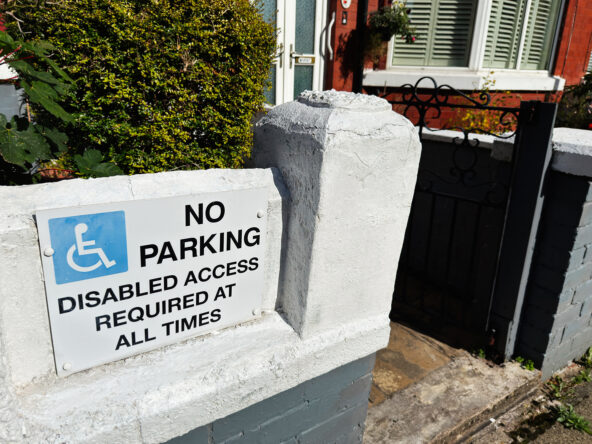
Putting up a sign, even a fully compliant one, doesn’t guarantee people will actually respect it. If persistent parking problems continue despite doing everything correctly, escalating through the proper channels rather than confronting drivers directly tends to be the safer and more effective route.
For public roads, this usually means raising the issue formally with the local council, particularly if there’s a real safety concern like restricted visibility at a junction or driveway. For private roads, keeping a record of repeat offenders and any correspondence sent can help build a stronger case if formal enforcement action ever becomes necessary.