We all get a little self-conscious in public sometimes, and it’s natural to wonder what other people are thinking.

However, the truth is, most people are too wrapped up in their own worlds to be constantly judging you. That being said, there are a few things that might make people raise an eyebrow if you do them in public. Obviously, you don’t need to try to please everyone or conform to ridiculous societal norms, but you should be aware of how you come off to other people.
1. You talk loudly on the phone in packed or quiet places.

We’ve all been stuck on a quiet train carriage or sitting in a small café when someone decides to take a phone call on speaker, or simply projects their voice as if they’re addressing a stadium. What makes this so uniquely grating isn’t just the noise; it’s the fact that everyone around you is essentially forced into listening to a one-sided conversation they never asked to join.
It breaks the collective quiet of a shared space and signals that your need to chat about your weekend plans trumps everyone else’s right to a peaceful commute or a quiet coffee. If an urgent call comes in, taking a moment to step outside or lowering your voice to a quiet murmur shows that you actually notice the human beings sitting two feet away from you.
2. You stare at your phone while someone’s talking to you.

There are few things quite as deflating as opening up to someone, only to watch their eyes drift down to their phone as it lights up with a fresh notification. Holding a device in your hand and tapping away while someone is actively trying to talk to you sends a crystal-clear message: whatever is happening on screen is far more interesting than anything they have to say.
It instantly kills the flow of genuine conversation and makes the other person feel invisible. Putting the phone face down or keeping it in your pocket for five minutes shows basic respect for the person standing right in front of you.
3. You leave your trolley in the middle of the aisle.

Picture the scene: you’re trying to grab a tin of chopped tomatoes or race through a quick weeknight shop, only to find the entire aisle completely blocked by an unattended trolley parked diagonally across the floor. Meanwhile, the owner is ten yards down the path, casually inspecting cereal boxes without a care in the world.
Abandoning your trolley in the middle of a gangway forces everyone else to stop, squeeze past, or awkwardly move your belongings out of the way. It takes two seconds to park your trolley flush against the shelf so other shoppers can get past, keeping the flow of traffic moving smoothly for everyone.
4. You jump the queue without acknowledging the people waiting.

Waiting in a queue is practically a national pastime, and while nobody particularly enjoys standing in line at a busy coffee shop, bank, or bar, it is the fundamental social contract that keeps public order intact. Pushing in ahead of others—or doing that sneaky, passive-aggressive slide toward the front while pretending you didn’t notice the 15 people standing in a neat line—is an absolute guaranteed way to irritate everyone around you.
If you truly have an emergency or a tight connection to catch, simply asking the person behind you if you can nip ahead with a quick explanation will almost always work out. Acting like your time is inherently more valuable than everyone else’s, on the other hand, never goes down well.
5. You blast your music without headphones.

Whether it’s someone watching endless social media clips on a bus, playing mobile games with the sound effects blasting, or playing their personal playlist over a portable speaker in a quiet park, un-headphoned audio is one of the ultimate public nuisances.
Sound leaks into everyone’s personal bubble, and no matter how brilliant you think your music taste is, the strangers around you almost certainly don’t want to hear it tinny and compressed through a mobile speaker. Investing in a decent pair of headphones is a basic courtesy that lets you enjoy your media as loud as you like without turning the local bus into your personal soundstage.
6. You litter or leave a trail of rubbish behind you.

Leaving your empty coffee cup on a park bench, tossing a food wrapper into a hedge, or walking away from a messy picnic site expecting someone else to clean up after you is pure laziness. It shows a complete lack of pride in local surroundings and a total disregard for the workers or volunteers who end up having to clear it away.
Taking your rubbish with you until you find a bin takes almost zero effort, but it keeps shared public parks, streets, and green spaces pleasant, clean, and usable for everyone who comes along after you.
7. You give unsolicited advice or criticism.

Unless someone is actively doing something dangerous or explicitly asks you for your input, offering uninvited opinions on how strangers are raising their kids, managing their dogs, or carrying out their daily business comes across as deeply intrusive. Most people are just doing their best to get through the day, and being cornered by a stranger offering “helpful” lectures or critical side-eyes only adds unnecessary stress.
Everyone approaches life differently, and keeping your commentary to yourself—unless asked—is a solid rule of thumb for peaceful public co-existence.
8. You ignore social cues and personal space.

Everyone has an invisible boundary around them when they are out in public, and stepping straight across it can make people feel intensely uncomfortable. Standing uncomfortably close to someone in a queue, breathing down their neck at an ATM, or leaning over their shoulder on public transport instantly sets off alarm bells.
The same goes for conversational boundaries—if you strike up a chat with a stranger and they give you brief one-word answers, turn their body away, or keep looking at their book, those are clear hints that they’d prefer to be left alone. Paying attention to these subtle signals and giving people plenty of physical and breathing room shows a basic level of social intelligence.
9. You take up multiple seats on public transport when it’s crowded.
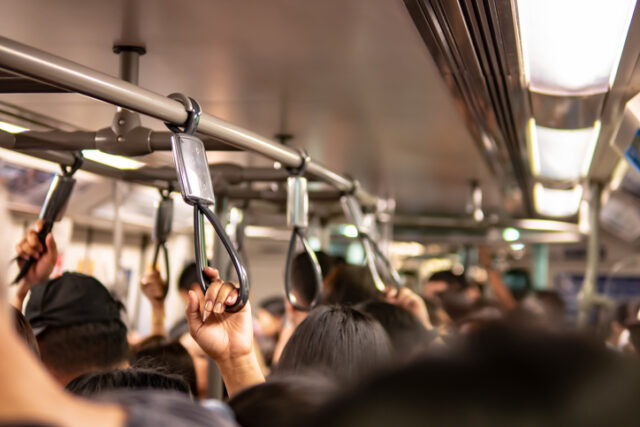
We all like having a bit of extra room on a journey, but there is a time and a place for sprawling out. Placing your bag, coat, or shopping bags on the empty seat beside you on an empty train is fine; keeping them there when people are standing in the aisle looking for somewhere to sit is incredibly selfish.
The same goes for spreading your legs so wide that you take up half the adjacent seat. When a bus or train starts filling up, proactively lifting your belongings off the spare seat and pulling yourself in shows you are aware of your surroundings and considerate of those on their feet.
10. You talk over or interrupt people constantly.

A healthy conversation is a continuous give-and-take, not a battle for airtime. Consistently interrupting someone, finishing their sentences for them, or loudly speaking over them the second they pause to take a breath makes it seem like you are just waiting for your turn to talk rather than actually listening.
It sends the message that you value your own thoughts far more than theirs. Slowing down, actively listening to what the other person is saying, and letting them finish their thought creates a far more enjoyable, balanced dynamic for everyone involved.
11. You groom yourself excessively in public.

While popping a bit of lip balm on or quickly checking your hair in a mirror is totally normal, taking care of personal hygiene tasks in a crowded public setting crosses a line for a lot of people. Clipping your fingernails on a train, brushing your teeth at an airport gate, or filing your calluses on a bench makes the people around you feel trapped in your personal bathroom routine. Hygiene tasks that involve flying bits of nail, shed hair, or strong chemicals are always best kept behind the closed doors of your own home or a public washroom.
12. You eat messy food or strong-smelling food in public spaces.

Eating a hot, greasy takeaway or a tin of tuna on a poorly ventilated bus, train, or in a quiet library forces everyone around you to endure the smell for the duration of the journey. The same goes for chewing loudly with your mouth open or making slurp sounds while eating in public.
While everyone gets hungry on the go, picking foods that are relatively low-odour and easy to eat neatly when you are in tight quarters is a simple way to avoid turning your lunch into someone else’s headache.
13. You overshare personal details with strangers.

There is a sweet spot between being friendly to people you meet out and about and turning a casual interaction into an intense therapy session. Splitting up with a partner, airing heavy family drama, or sharing graphic medical details with a stranger sitting next to you on a bus can put them in a deeply uncomfortable position.
They don’t know you well enough to navigate that level of intimacy, and it forces them to handle heavy emotional weight they weren’t expecting. Keeping small talk light, pleasant, and easygoing protects both your privacy and their comfort.
14. You dress inappropriately for the occasion or setting.

While self-expression and personal comfort matter, turning up to a formal event in gym wear or wearing something blatantly impractical for where you are often comes across as a lack of consideration for the situation. It isn’t about following stuffy, outdated fashion rules; it’s about showing respect for the effort other people have put in, whether that’s a wedding, a job interview, or a solemn occasion.
On the flip side, wearing flimsy flip-flops on a rugged mountain hike or impractical outfits in extreme weather means others often end up having to bail you out when things go wrong. Taking a second to match your attire to the context shows you understand where you are and care about the environment you’re stepping into.
15. You ignore safety guidelines or common sense rules.
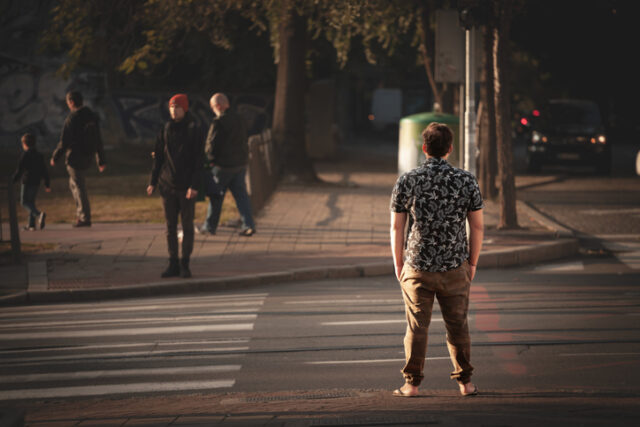
Stepping out into heavy traffic without looking because you’re staring at your phone, ignoring clear warning signs at a scenic coastal path, or pushing past safety barriers puts far more than just your own safety at risk. When things go wrong, someone else, whether it’s a driver having to slam on their brakes or emergency workers stepping in, has to deal with the fallout of that decision.
Following basic rules and exercising a bit of simple common sense isn’t about blindly conforming; it is about keeping the environment safe and predictable for everyone sharing the space with you.