From dramatic coastal cliffs and rolling green hills to picture-postcard stone villages, the UK is packed with places that look straight off a tea towel.
Of course, finding a spot that combines breathtaking scenery with an actual quality of life isn’t as simple as picking a random pretty village off a map and calling it a day. You need more than just a nice view—you want decent local pubs, proper community spirit, and a lifestyle that lives up to the surroundings.
Whether you’re dreaming of a slower pace by the sea, a vibrant historic market town, or a rugged mountain backdrop right outside your back door, a few locations across the country stand head and shoulders above the rest. These are some of the most stunning places to live in the UK, where the scenery is every bit as good as the day-to-day life.
The Lake District offers water views at every turn.
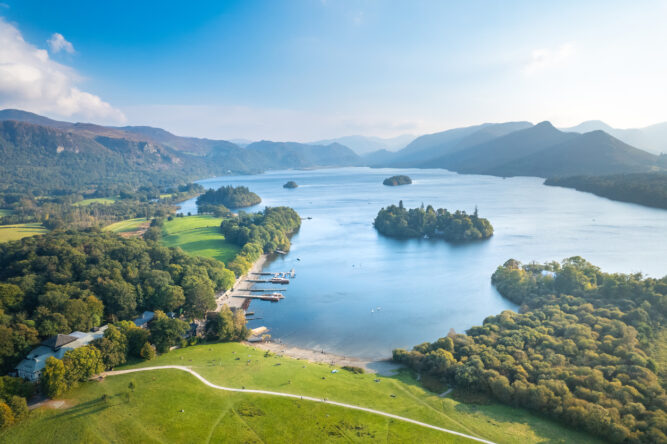
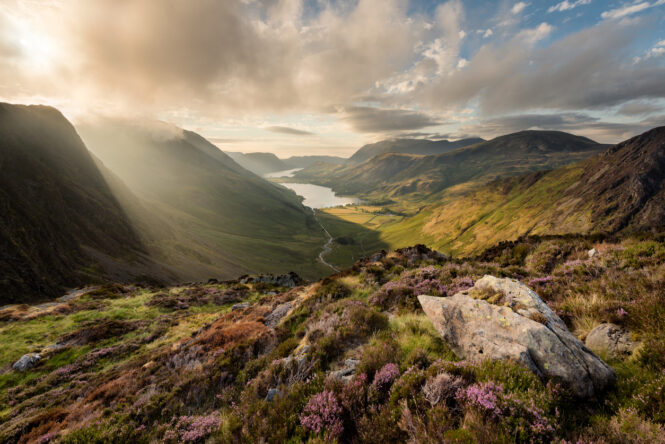
Cumbria’s rolling valleys, mirror-still lakes and ancient woodland make the Lake District one of England’s most consistently inspiring places to call home. Grasmere, once home to William Wordsworth, sits surrounded by gorgeous countryside perfect for hikers, while Coniston Water and its surrounding village offer a quieter, more rugged charm for anyone drawn to rugged fells.
For those who love being near water, Lake Windermere and the pretty town of Ambleside, full of stone cottages and independent shops, are hard to beat. The villages of Windermere and Bowness-on-Windermere sit right on the water’s edge, too, offering a strong sense of community alongside easy access to sailing and watersports.
Pembrokeshire pairs coastline with history.
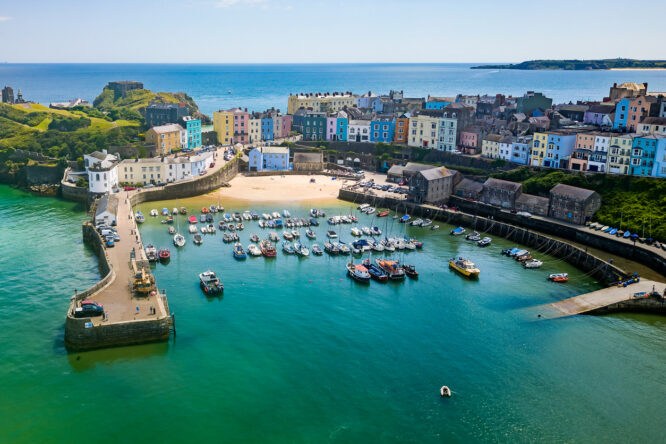
Wales has plenty of dramatic scenery to offer, but Pembrokeshire’s coastline, all volcanic cliffs, hidden inlets and pristine beaches, gives it a real edge for anyone drawn to the sea over mountains. The 190-mile Pembrokeshire Coast Path runs right past some of the county’s best beaches, including Barafundle Bay and Whitesands.
Beyond the scenery, Pembrokeshire holds plenty of history too, from the small cathedral city of St David’s to a scattering of ancient Celtic sites. Villages like Amroth and St Dogmaels offer a lovely slice of coastal Welsh life for anyone hoping to settle somewhere smaller.
Cornwall has far more variety than its postcards suggest.
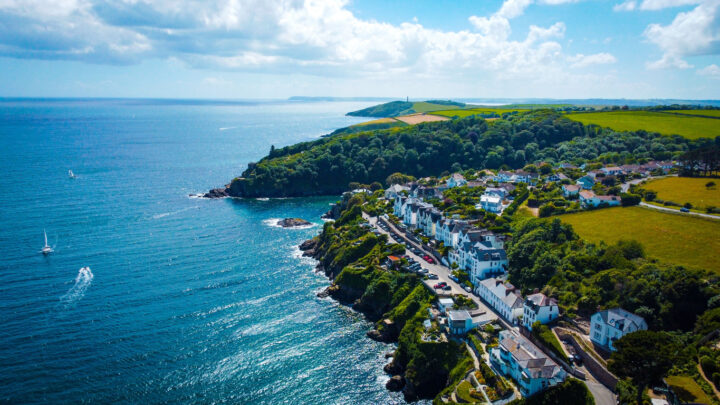
As the UK’s most visited holiday county, Cornwall’s beauty is hardly a secret, but its diversity often surprises people. West Cornwall’s windswept beaches and rocky moorland suit anyone after solitude, while towns like St Ives and Penzance offer plenty of amenities without losing that surrounding countryside feel.
North Cornwall, home to the Doc Martin filming location of Port Isaac along with Tintagel and Boscastle, has a picture-postcard quality all its own. Down south, the Lizard Peninsula and the village of Helford, with its thatched cottages and hidden creeks along the Helford River, feel like something out of a storybook.
The Isle of Skye suits anyone chasing solitude.
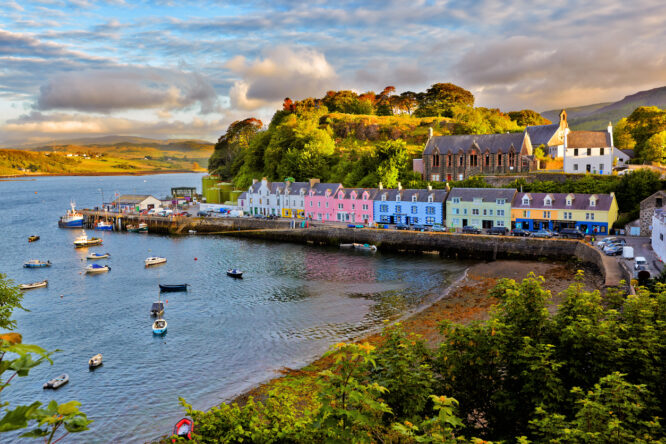
For a truly remote, dramatic escape, Skye is hard to top. The largest of Scotland’s Inner Hebrides, its jagged Cuillin ridge and famously misty landscape have earned it a reputation as one of the country’s most mystical places to live.
Wildlife lovers will find plenty to love too, with regular sightings of eagles, otters, seals, and even whales. Portree serves as Skye’s lively capital, while smaller villages like Dunvegan and Broadford offer a quieter pace surrounded by equally stunning scenery.
Northumberland has stayed refreshingly under the radar.
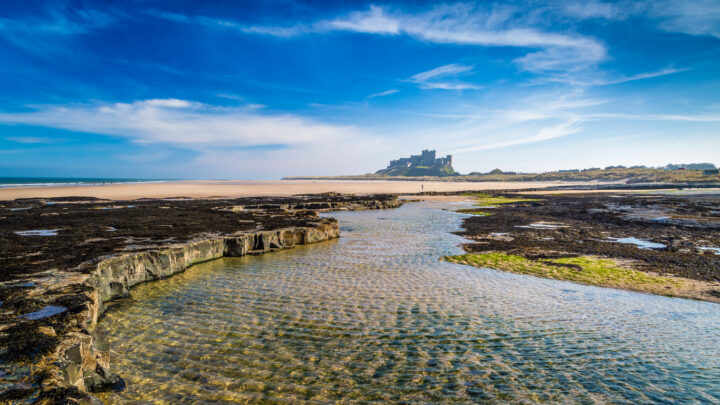
Often overlooked next to more famous counties, Northumberland is home to England’s least populated national park and has earned the nickname “England’s last great wilderness.” Its coastline, valleys, and moorland offer real peace for anyone keen to escape the crowds.
History buffs will find more castles here than anywhere else in England, while wildlife enthusiasts can head to the Farne Islands, once named Sir David Attenborough’s favourite spot in the country. The Holy Island of Lindisfarne, with its nature reserve of dunes and marshland, adds yet another layer of charm.
The Cotswolds delivers classic English village life.
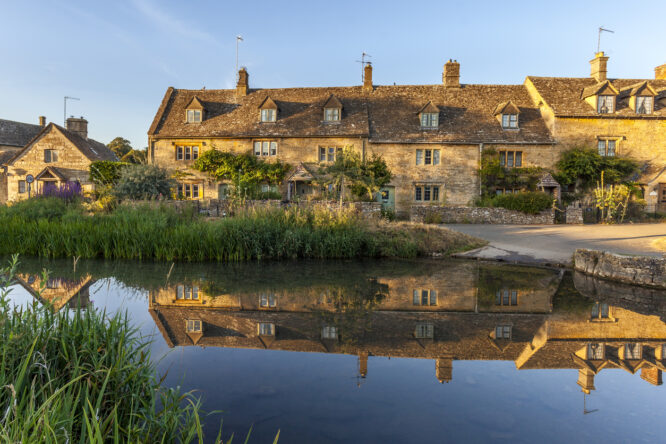
Spanning six counties, the Cotswolds is one of the most visited parts of the country, and it’s easy to see why. Bourton-on-the-Water, nicknamed the “Venice of the Cotswolds,” is full of honey coloured cottages and elegant stone bridges, while Castle Combe has starred in Hollywood films thanks to its winding, picture-perfect streets.
For anyone put off by the busier tourist spots, the twin villages of Upper and Lower Slaughter offer the same quintessential charm with far fewer crowds. Their unspoilt countryside and landscaped gardens make them some of the most romantic streets in the country.
County Antrim feels like something out of a fantasy novel.
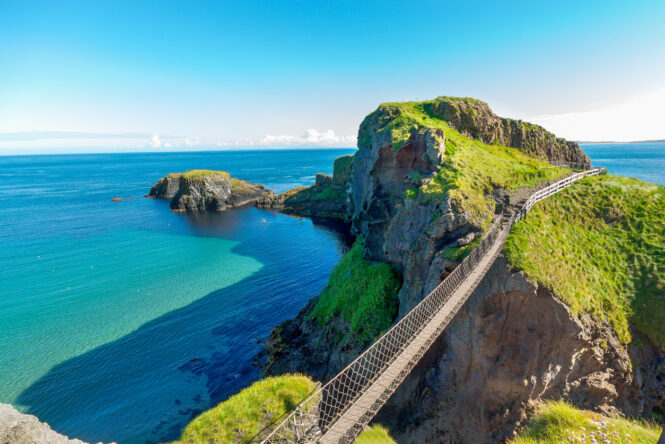
Northern Ireland’s County Antrim brings dramatic cliffs, sandy beaches and unusual rock formations together in a way that feels almost otherworldly. The Gobbins Cliff Walk takes in secret sea caves and the nerve testing Carrick-a-Rede rope bridge, suspended 100 feet above the Atlantic.
The Giant’s Causeway remains Antrim’s most famous feature, formed 60 million years ago from an ancient volcanic eruption, and makes for a spectacular sunset spot. Seaside villages like Portrush and Portstewart round things out nicely, offering beautiful beaches alongside some of Northern Ireland’s best golf courses.
North Yorkshire mixes moorland with coastline.
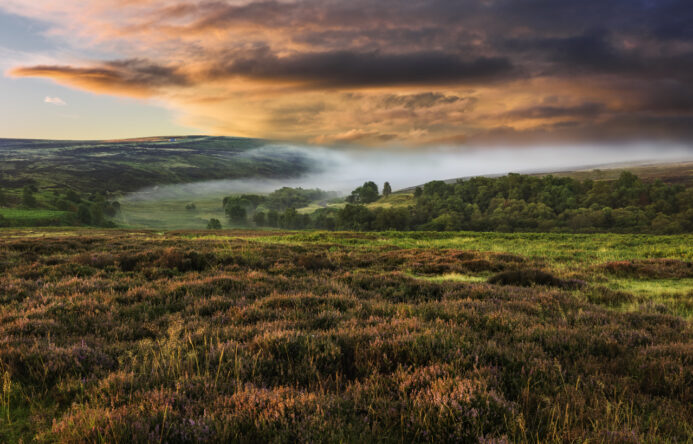
North Yorkshire’s variety is what sets it apart, from the heather clad North York Moors to the dramatic cliffs of Whitby, home to a striking Gothic abbey and charming Georgian old town. Sutton Bank, formed during the Ice Age, offers what’s often called the finest view in England.
Inland, villages like Goathland and the market town of Helmsley provide plenty of countryside charm, while Scarborough’s ancient castle and sandy beaches offer a proper seaside alternative for anyone drawn to the coast.
The Shetland Islands offer true remoteness.
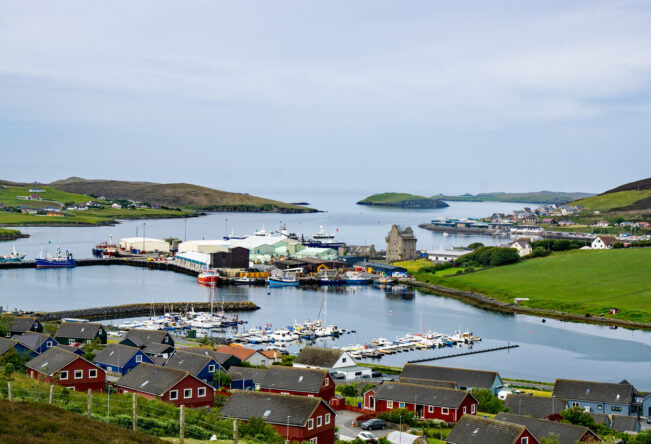
With just over 23,000 residents spread across around 100 islands, Shetland isn’t for anyone chasing a busy social calendar. But for true peace, rugged scenery and a strong sense of community, it’s hard to match, sitting closer to Norway than mainland Scotland.
You’re never more than four miles from the sea here, with beaches like St Ninian’s, a sandy tombolo connecting to the mainland, well worth the trip. Lerwick, the islands’ capital, serves as the cultural hub, home to a handful of museums and the Shetland’s main arts centre, Mareel.