Trying to lose weight often feels like a constant battle against your own stomach.

That’s especially true when every attempt to cut back leaves you feeling absolutely ravenous by 3 p.m. It’s one of the main reasons most diets end up falling apart. When your body senses a drop in calories, it cranks up your hunger hormones, making every fridge visit feel like an exercise in extreme willpower. However, constantly fighting off intense cravings and listening to a noisy stomach isn’t a badge of honour, nor is it sustainable over the long haul.
The trick to dropping weight without losing your sanity isn’t about eating microscopic portions; it’s about changing what and how you eat, so your body actually feels full and satisfied on fewer calories. It’s possible to keep the hunger at bay while still making progress towards your goals—you just have to do it right.
Don’t cut back too hard, too fast.

It’s tempting to slash your food intake drastically thinking it’ll speed things up, but going too extreme tends to backfire. Your body pushes back when it isn’t getting enough energy to run properly, ramping up hunger signals and making you feel less satisfied after eating.
A steadier pace, losing around one to two pounds a week, tends to work far better long term. You’ll have more energy, feel fuller after meals, and find the whole thing easier to actually stick with rather than white knuckling your way through each day.
Load your plate with food that takes up space.

When hunger strikes between meals, it’s often less about eating less overall and more about what’s actually on your plate. Foods packed with water and fibre tend to be lower in calories while filling up more room in your stomach, which naturally helps you feel satisfied without piling on extra energy.
Think vegetables like broccoli or cucumber, watery fruits like watermelon, beans, lentils, and soups made with a broth base. If you’re still hungry after a meal, give it fifteen or twenty minutes before deciding you need more, since it takes your body a little while to register that it’s had enough.
Make sure protein shows up at every meal.

Protein does a lot of heavy lifting when it comes to keeping hunger at bay. It slows digestion down and triggers hormones that tell your brain you’re full, which makes it one of the most useful tools for getting through a calorie deficit without feeling constantly deprived.
Eggs, Greek yoghurt, fish, chicken, lean beef, turkey, and beans are all solid options. Even a small addition, like stirring some yoghurt into breakfast or tossing beans into a salad, can noticeably change how satisfied a meal leaves you feeling.
Round meals out with fibre and healthy fats.

Protein gets a lot of the credit, but pairing it with fibre and healthy fats is what really makes a meal stick with you. Fibre adds bulk and slows digestion further, while healthy fats add their own staying power, together keeping hunger away for longer than protein alone would manage.
A meal built from grilled salmon, quinoa, roasted vegetables and a drizzle of olive oil is a good example of this working in practice. That combination will leave you feeling a lot more satisfied than a meal built mainly around refined grains or sugary food.
Don’t write carbs off completely.

Plenty of people cut carbs hard when trying to lose weight, and for some that’s helpful. However, going too far the other way often leaves you hungrier, craving more, and more likely to end up overeating later in the day.
Fruits, vegetables, beans, and whole grains all contain carbohydrates alongside fibre and nutrients that actually help you feel full. Rather than cutting them out altogether, it’s usually more effective to focus on the better quality ones and pair them with protein and healthy fats.
There are signs you’ve gone too far.

A bit of hunger between meals is completely normal and nothing to worry about. But if you’re constantly thinking about food, feeling unusually tired, struggling to concentrate, noticing your workouts have gone downhill, or your sleep’s taking a hit, that’s usually a sign your calorie deficit has become too aggressive.
These are worth paying attention to rather than pushing through. Easing your intake back up slightly, focusing on more filling food choices, or simply reassessing your targets can help you feel better while still making progress.
The bottom line on staying full while losing weight is relatively simple.
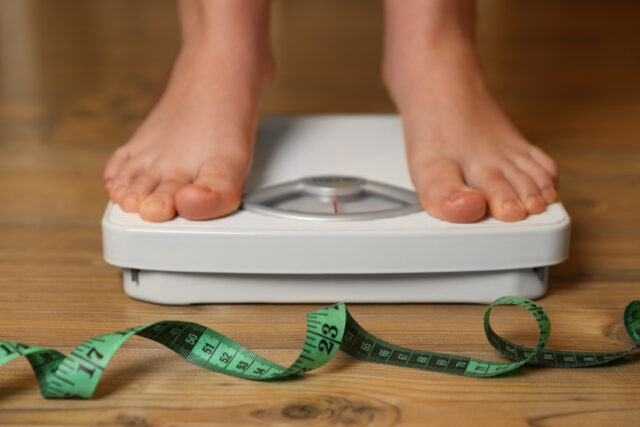
Some hunger is just part of eating less than you’re used to, but feeling deprived all the time doesn’t have to be. Building meals around protein, fibre, healthy fats and plenty of whole food tends to keep hunger properly in check while you work toward your goals.
Weight loss doesn’t need to be an uphill battle against your own appetite. Finding a pace that suits both your goals and how you actually feel day to day makes healthy habits far easier to keep up in the long run.