If you’re the kind of person who piles condiments onto every single plate, there’s nothing wrong with that.
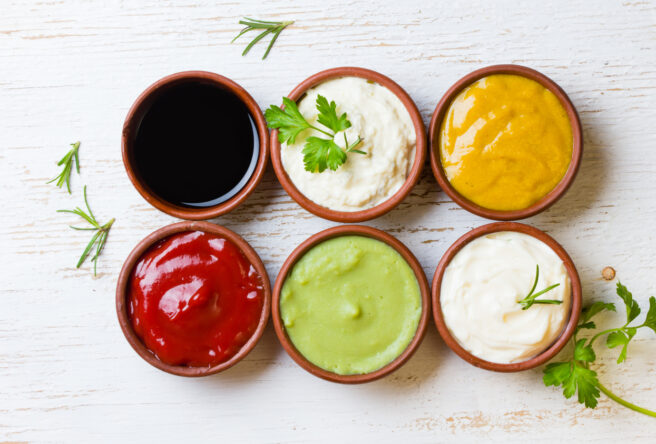
Nutritionists say enjoying your food properly is a real part of eating well, and sometimes a spoonful of something tasty is exactly what gets you eating your vegetables in the first place. That being said, some condiments are noticeably worse for you than others, and knowing which ones to watch closely can help you make smarter choices without giving anything up entirely. Here’s how your favourite sauces and dressings actually rank, from least healthy to healthiest.
Soy sauce is one of the saltiest condiments around.

Soy sauce stands out as one of the highest sodium condiments available, making it easy to consume a lot of salt without realising it. If you use it regularly, switching to a reduced salt version can cut sodium by around 40% while still tasting very similar. Another simple trick is cooking the rest of your meal without any added salt at all when you’re planning to use soy sauce, letting the sauce itself provide all the seasoning rather than stacking salt on top of salt.
Sweet chilli sauce is much higher in sugar than you’d expect.
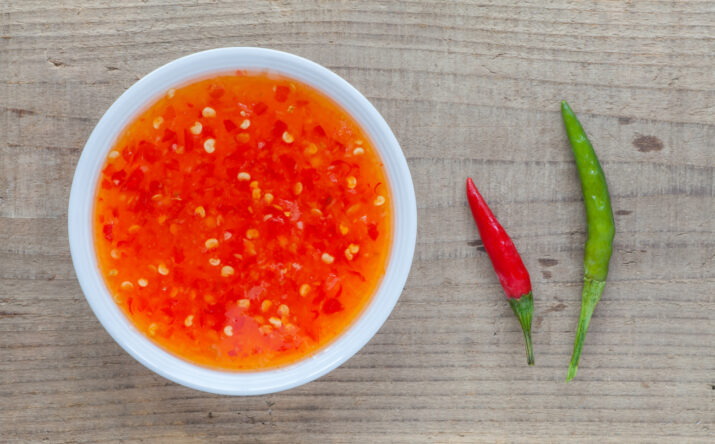
Sweet chilli sauce contains considerably more sugar than a typical hot sauce, since sugar is actually one of its main ingredients. These sauces also tend to be easy to overuse, making portion size worth paying attention to. Treating sweet chilli sauce as an occasional extra rather than an everyday staple is a sensible approach. A small amount goes a long way, so there’s no need to cut it out entirely, just use it a little more sparingly.
Chilli oil adds flavour, but it’s still an oil at its core.
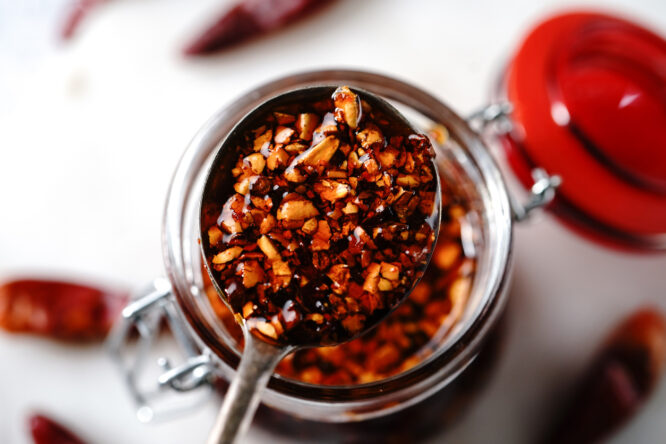
Chilli oil makes meals more enjoyable, which can help you eat more vegetables or pulses simply because the food tastes better. That said, it’s still an energy dense oil, sitting somewhere around 100 to 120 calories per tablespoon.
Pouring it generously over several meals a day can really add up in calories over time, and some brands contain more salt than you’d expect, so checking the label is worth doing if you use it regularly. Eating spicy food often can also build up your tolerance over time, meaning you might reach for more just to get the same kick.
Mayonnaise gets an unfairly bad reputation, but portion size is important.

Mayonnaise is high in fat simply because it’s made mostly from oil, but the type of oil used, usually a heart healthy unsaturated one, isn’t something most people actually need to avoid. Portion size is really the key factor here, since a tablespoon is a completely different story to half a jar.
Pricier versions marketed as healthier, like olive oil or avocado oil mayonnaise, generally aren’t worth the extra cost. They mostly just offer a slightly different flavour rather than any meaningful health advantage, so choosing whichever version you enjoy and using it sparingly makes more sense than paying a premium.
Ketchup won’t harm you in small amounts, but watch the sugar and salt.

Ketchup does contain a small dose of a beneficial antioxidant thanks to being made from cooked tomatoes, since cooking actually makes that antioxidant easier for your body to absorb. That said, you’d get considerably more of it from eating tomato-based foods like passata or tomato soup instead.
The main things worth keeping an eye on with ketchup are its added sugar and salt content. Unless you’re using generous amounts across several meals a day, a small dollop alongside a balanced meal isn’t something to worry about.
Hot sauce is low in calories, but salt varies a lot between brands.

Most popular hot sauces are low in calories, making them a great way to add flavour without much nutritional downside. The biggest thing to watch is sodium, since some brands are considerably saltier than others.
Sriracha tends to contain more sugar compared to something like Tabasco, though the amounts used are usually small either way. Tabasco itself is made with just three ingredients and tends to be one of the lower salt options, though it sits on the milder end of the heat scale too.
Balsamic vinegar adds flavour without adding many calories.

Balsamic vinegar is a great way to boost flavour while barely adding any calories to your meal. Despite claims that apple cider vinegar is somehow a healthier upgrade, there’s little solid evidence to support that, and enjoying balsamic as a dressing is completely fine on its own merits.
If you’re choosing between balsamic vinegar and balsamic glaze, stick with the original vinegar. Glazes tend to have added sugar or thickeners mixed in to create that thicker, syrupy texture, which pushes up the sugar content unnecessarily.
Mustard is one of the healthiest condiments you can reach for.

Mustard packs in a huge amount of flavour while staying low in calories and sugar compared to most other condiments. A little really does go a long way, meaning you can add plenty of taste without piling on many extra calories, salt, or sugar.
Whether you prefer wholegrain, Dijon or English mustard mostly comes down to personal taste rather than nutrition. Wholegrain does contain slightly more fibre since the seeds stay whole, though the difference is small given how much mustard most people actually use.
A few simple swaps can make a big difference to your health.
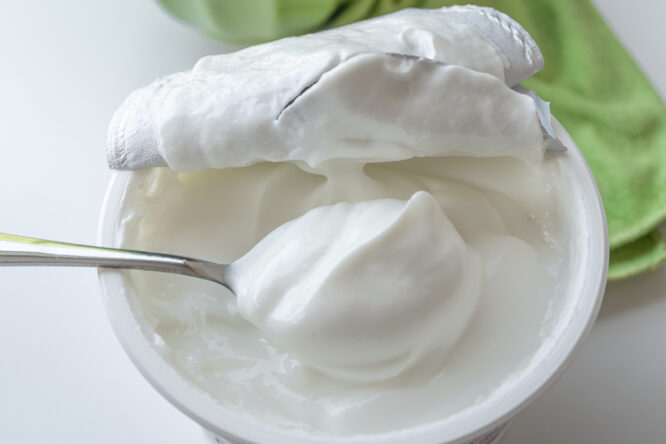
If you spend any time on social media, you probably already know that Greek yoghurt makes a great swap for creamy dressings, adding protein and calcium alongside its tangy flavour. Homemade guacamole or mashed avocado also works well as an alternative to shop bought sauces, made simply from avocado, red onion, tomato, a pinch of chilli flakes, salt, and a squeeze of lime.
Extra virgin olive oil remains one of the best everyday dressing choices thanks to its healthy fats, while hummus adds fibre and plant protein when used in moderation. Tomato salsa and kimchi are both nutritious options too, though kimchi specifically is worth enjoying as part of a balanced diet given its higher salt content.