Most people can hold their breath for around 90 seconds before needing to gasp for air, and going much beyond that starts to get uncomfortable fast.
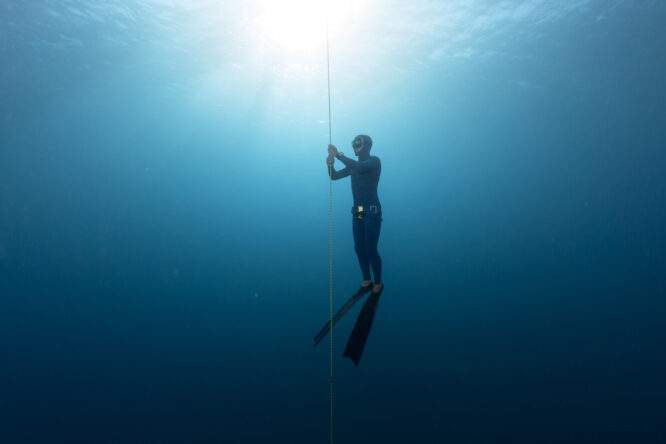
However, a small group of highly trained athletes have pushed that limit to places most of us couldn’t imagine, using years of training to stretch a normal human limit into something record-breaking. Here’s how long the human body can actually hold its breath, how the world’s best freedivers manage it, and why most of us shouldn’t try copying them.
Your body starts fighting you within seconds of holding your breath.
The urge to breathe doesn’t actually come from a lack of oxygen at first, it comes from a build up of carbon dioxide in your bloodstream. As soon as you stop breathing, carbon dioxide starts accumulating, and your brain treats that rising level as an urgent signal that something needs to change immediately.
This is why most untrained people start feeling real discomfort within thirty to sixty seconds, well before their oxygen levels have actually dropped to a dangerous point. The uncomfortable urge to breathe is essentially your body’s early warning system, designed to make you gasp for air long before you’re in real danger.
Trained freedivers can hold their breath for well over four minutes.
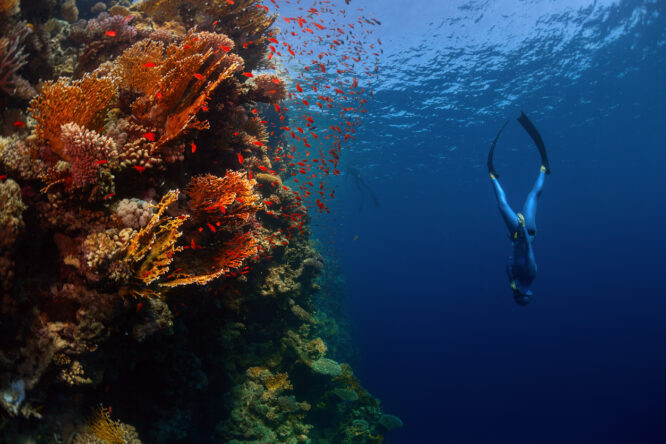
With serious training, elite freedivers can extend their breath hold time to more than four minutes, several times longer than what an average untrained person could manage. That kind of endurance takes years of practice and a body that’s been specifically conditioned to cope with extended time underwater.
What makes this even more impressive is that many of these athletes aren’t simply lying still while holding their breath. They’re often diving over 100 metres below the surface at the same time, using real physical strength to pull themselves back up along a rope, which naturally limits how long they can actually hold their breath compared to staying completely still.
Training teaches the body to tolerate discomfort most people would never push through.
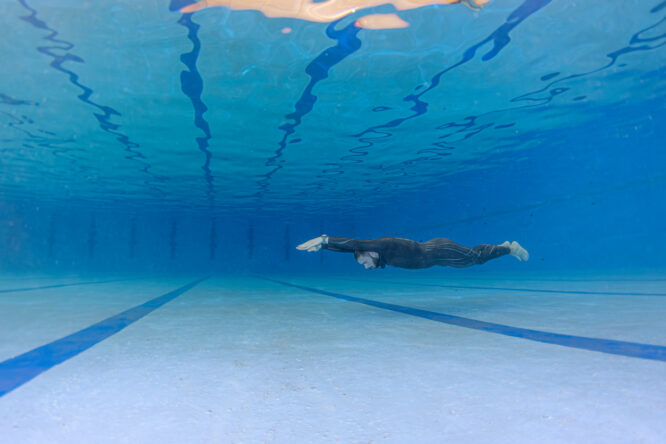
Part of what separates elite freedivers from everyone else isn’t just physical fitness, it’s the ability to stay calm while their body is screaming for air. Years of practice help train the brain to tolerate rising carbon dioxide levels for much longer before triggering that overwhelming urge to breathe.
Freedivers also train their lungs to expand and hold more air than an untrained person’s would, alongside slowing their heart rate significantly through relaxation techniques. A slower heart rate means the body burns through its oxygen supply more gradually, buying valuable extra seconds, or in elite cases, extra minutes.
Staying motionless allows for a completely different kind of record.
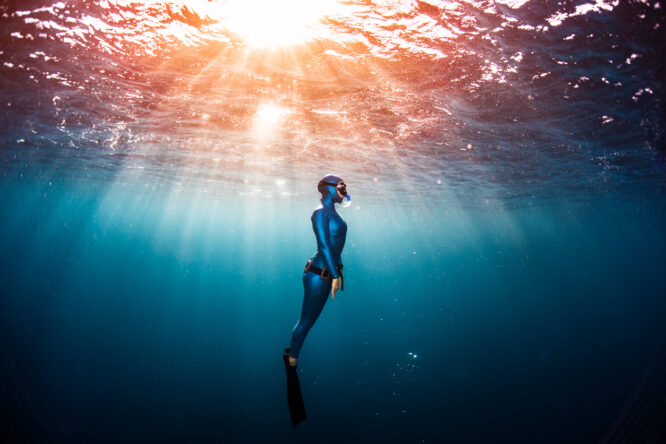
Static breath holding, where a freediver simply lies still rather than diving or swimming, works as an entirely separate discipline altogether. Without the physical demands of diving deep and climbing back to the surface, the body can conserve oxygen far more efficiently, allowing for a dramatically longer breath hold overall.
This distinction matters, since removing physical exertion from the equation changes everything about how long someone can realistically hold their breath. It’s this specific discipline that currently holds the most extreme breath holding record in the world.
The current world record sits at an almost unbelievable 29 minutes.
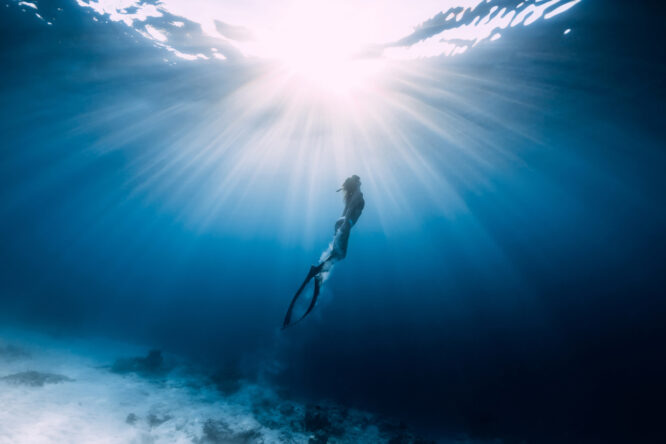
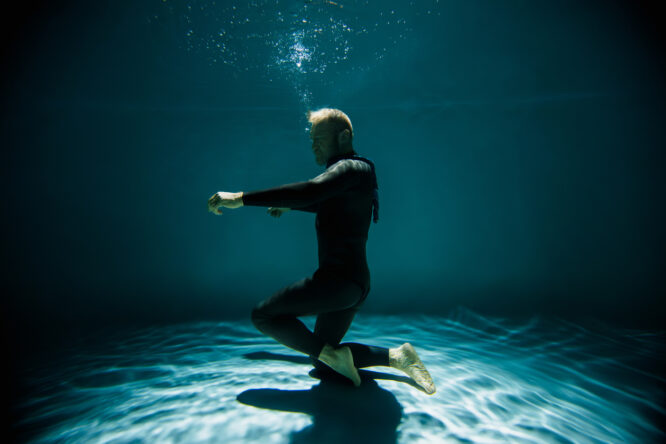
Croatian freediver Vitomir Maričić currently holds the world record, set in 2025, after breathing in pure oxygen before lying completely still at the bottom of a hotel pool for 29 minutes. That’s a truly staggering length of time, four minutes longer than the previous world record.
Breathing pure oxygen beforehand plays a significant role in achieving a result like this, since it allows the body to store considerably more oxygen than breathing normal air would provide. Even so, remaining still and controlled underwater for that length of time reflects an extraordinary level of physical and mental training few people could ever come close to matching.
Pre-breathing pure oxygen changes the entire equation.
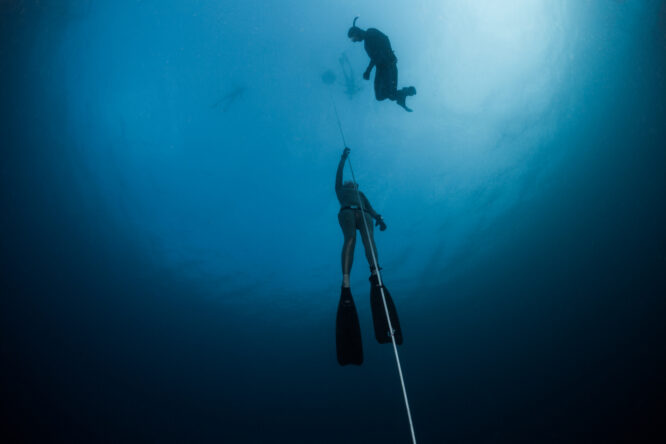
Breathing normal air, which contains roughly 21% oxygen, only fills the lungs and bloodstream with a limited reserve to draw on. Switching to pure oxygen beforehand means the body starts its breath hold with a considerably larger store already on board.
This is exactly why records like Maričić’s are only achievable under carefully controlled conditions, with oxygen pre-breathing as an essential part of the process. Attempting a static breath hold anywhere near that length without this preparation simply isn’t physically possible, regardless of how well trained someone might be.
This is not something worth attempting without proper training and supervision.
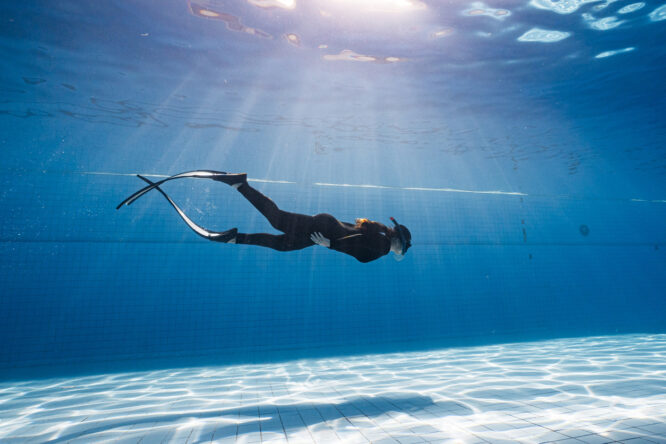
Pushing a breath hold far beyond what feels natural carries real risks, including a sudden blackout caused by oxygen levels dropping too low before the brain’s warning signals have had a chance to kick in properly. This risk is exactly why elite freedivers train under strict supervision and never attempt extreme breath holds alone.
For most people, there’s really no need to try pushing personal limits in this area at all. Understanding just how far trained professionals can stretch a basic human function is fascinating on its own, without needing to test the limits of your own body to appreciate it.