Bones might seem solid and unchanging, but they’re actually living tissue that renews itself throughout your entire life.
As we get older, that renewal process starts to slow down, which can leave bones a little weaker than they used to be. The early stage of bone weakening is called osteopenia, and the encouraging news is that it can often be reversed with a few simple lifestyle changes. Here’s what causes it and what you can actually do about it.
Osteopenia is an early warning sign, not a diagnosis to panic over.
Osteopenia simply means your bones have become a little less dense than they should be, though not so much that it’s classed as full-blown osteoporosis. Bones are packed full of tiny holes, a bit like honeycomb, and when bone density drops, those holes can grow slightly bigger, making a break more likely if you fall.
Not everyone with osteopenia goes on to develop osteoporosis, either. Research has found that only around one in ten women with moderate osteopenia progressed to osteoporosis within five years. Since osteopenia rarely causes any noticeable symptoms, most people don’t even realise they have it, which is exactly why it’s worth taking steps to support bone health regardless.
Getting older naturally affects bone strength.
From around your late 30s onwards, bones start being broken down slightly faster than new bone can form, which gradually reduces overall density over time. This is a completely normal part of ageing, though it speeds up more quickly in some people than others.
By the time people reach their 80s, close to half will have some degree of osteoporosis, compared to just a small fraction of people over 50. That steep rise shows just how much this process accelerates the older we get.
Women face a higher risk, especially after menopause.
Women are considerably more likely to develop osteopenia than men, largely because oestrogen, a hormone that plays a big role in keeping bones strong, drops sharply during menopause. Men also tend to have naturally bigger bones, which offers a bit of extra protection against fractures.
Certain situations raise this risk even further for women, including going through menopause before the age of 45, having a hysterectomy at a young age, or missing periods for six months or more due to over exercising or extreme dieting. That said, plenty of men develop osteopenia too, so it’s far from being a purely female issue.
Family history and inactivity both play a part.
Having a parent who’s experienced a hip fracture raises your own risk of osteopenia noticeably, since genetics influence how strong and dense your bones naturally are. Certain inherited traits are specifically linked to a higher chance of fractures later in life.
Staying inactive doesn’t help matters, either. Since bones respond and strengthen based on how much they’re actually used, spending long periods sitting still can gradually weaken them over time, adding another layer of risk on top of age and genetics.
What you eat and drink shapes bone strength.
Diets low in calcium and vitamin D, or high in heavily processed food, have been linked to weaker bones over time. Certain health conditions can make this worse too, including rheumatoid arthritis, an overactive thyroid, Crohn’s disease, and eating disorders like anorexia or bulimia, all of which can make it harder for the body to absorb the nutrients bones actually need.
Smoking and heavy drinking add further strain as well. Smoking damages bone cells directly and throws off the natural balance between bone breakdown and repair, while drinking too much alcohol slows down the cells responsible for building new bone in the first place.
Moving your body regularly makes a real difference.
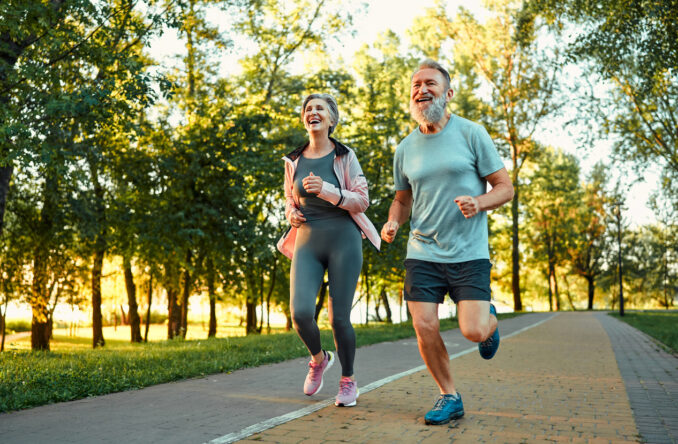
Staying active is one of the most effective things you can do for bone health, with experts recommending around 150 minutes of moderate activity each week. This could be anything from dancing and brisk walking to swimming or gentle cycling.
Weight-bearing exercise, where you’re on your feet and your bones absorb a bit of impact, tends to be particularly effective. Higher impact activities like jogging offer the biggest benefit, though lower impact options work well too for anyone just starting out or managing an existing injury.
Strength training helps bones in a totally different way.
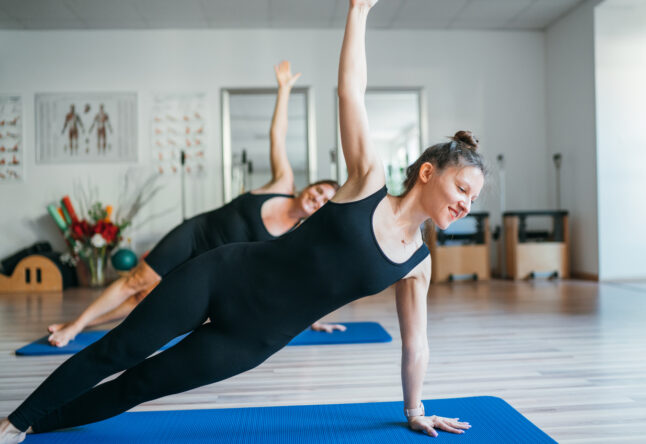
Building muscle through resistance work, whether that’s using weights, bands, or simply your own body weight, encourages bones to renew and strengthen themselves too. When muscles pull against bone during exercise, it signals the body to reinforce that bone rather than let it weaken further.
Since most fractures actually happen because of falls rather than the bone itself failing, working on balance alongside strength offers a useful extra layer of protection. Combining both regularly gives bones the best possible chance of staying strong.
Eating enough calcium and vitamin D is extremely important.
Almost all the calcium in your body is stored directly in your bones, making it one of the most important nutrients for keeping them strong. Vitamin D plays a supporting role too, helping your body actually absorb and properly use that calcium in the first place.
Research involving postmenopausal women found that those eating more calcium rich dairy products had noticeably higher bone density than those who ate less. Other nutrients worth including regularly include magnesium, potassium, and phosphorus, alongside a good source of protein, which studies have linked to stronger bones and a lower fracture risk overall.
Quitting smoking helps bones start healing.

Since smoking is such a clear risk factor for weaker bones, stopping is one of the single most impactful changes anyone can make. The benefits show up surprisingly quickly, too, with one study finding measurable improvements in bone formation within just over four months of quitting.
This makes quitting smoking a truly powerful step, not just for general health, but specifically for reversing some of the bone loss that’s already taken place. Combined with staying active and eating well, it forms one of the strongest overall strategies for protecting bone health as you get older.