Ultra-processed food has had such a battering in the press lately that a lot of people are now side-eyeing everything in a packet.

Honestly, it’s all going a bit far. Some of the foods lumped into the UPF category are perfectly decent, and cutting them out would actually be a step backwards nutritionally. The problem isn’t processing itself, it’s what gets added during it, and whether the end result is something that’s good for you or something designed to make you eat the whole bag.
Baked beans deserve a lot more credit than they get.
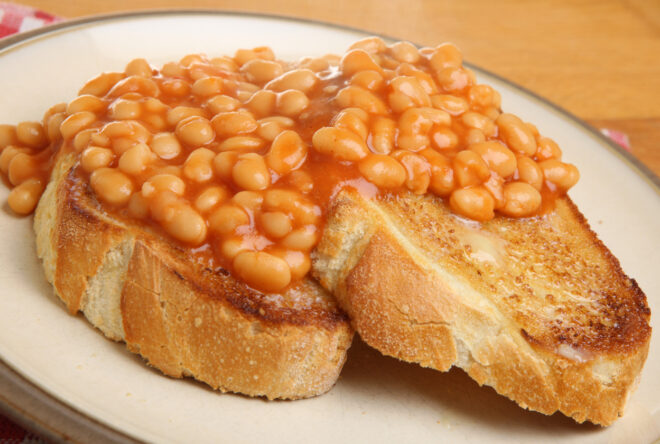
They’re cheap, filling, high in fibre and plant protein, and most people have a tin sitting in the cupboard right now. Tinned baked beans count as ultra-processed, but the ingredient list is short, and the nutritional content is solid. The no-added-sugar versions swap out the sugar for a plant-derived sweetener and trim the salt slightly, which makes them marginally better on paper, though either version is a reasonable choice.
Beans on wholegrain toast is one of those meals that gets dismissed as too simple, but actually does a lot of good work. The combination of fibre, protein, and slow-release carbohydrates keeps you full for a decent stretch, and the cost of the whole thing is almost nothing. Don’t write it off because it feels unexciting.
Ryvita is one of the better things you can keep in your cupboard.
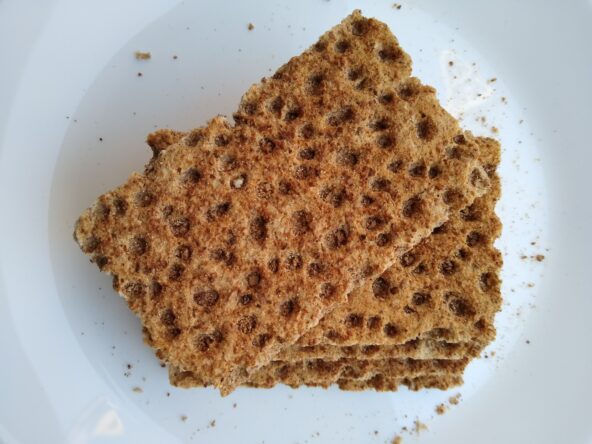
Three ingredients: wholegrain rye, rye flour, and salt. That’s it. The fibre content is well over 13 grams per 100g, which is impressive for something you’d grab as a snack base. It’s dense and needs actual chewing, which sounds like a minor thing but actually matters because foods that slow you down give your body more time to register that you’ve eaten something. You’re less likely to power through half a packet without noticing.
It works well topped with almost anything that adds substance. Peanut butter, avocado, hummus, tinned fish, soft cheese. On its own, it’s pretty plain, but as a base, it’s actually super useful and much better than a lot of the thinner crackers that dissolve the moment they hit your tongue.
Peanut butter is good, but you need to read the label.

This is one of those products where two versions sitting next to each other on the shelf can be completely different things. Some peanut butters are essentially just ground peanuts and a pinch of salt, which is exactly what you want. Others have added sugar, palm oil, and emulsifiers that don’t need to be there. The ingredient list tells you everything in about ten seconds.
Go for the shortest list you can find. Own-brand versions from the cheaper supermarkets often fit this description and cost a fraction of the premium options. You’re getting good protein, solid fibre, and mostly unsaturated fat regardless of which brand it comes in, as long as it hasn’t been loaded up with extras.
Some breakfast cereals are actually doing something useful.

Weetabix is technically ultra-processed, but there’s not much happening in it beyond compressed whole wheat. The fibre is around 10 grams per 100g, the sugar and salt are low, and there’s nothing in the ingredients that raises any real concern. It keeps its shape when you eat it rather than dissolving instantly, which means your body has to do some work to break it down and that helps with how full you feel afterwards.
Bran flakes are worth a mention too because the fibre content is higher still, around 16 grams per 100g in most versions. Most people in the UK are eating well under half the recommended 30 grams of fibre a day, so a bowl of bran flakes in the morning is closing that gap. Just check the sugar content across brands because it varies more than you’d expect.
Not all bread from a factory is the same thing.

Standard supermarket white bread tends to have a long list of additives, emulsifiers mostly, that help it stay soft and last longer on the shelf. Those are the ingredients worth being wary of. But some factory-made breads, particularly those made with a long fermentation process rather than fast-acting yeast and improvers, have ingredient lists of four or five things. Flour, water, salt, fermented flour. That’s closer to how bread was made for centuries, and it behaves differently in the body too.
It’s worth looking at the back of the loaf rather than assuming all packaged bread is equally processed. A short ingredient list on a sourdough-style loaf is a meaningfully different product to a standard soft white, even if both came off a production line.
Shredded Wheat is one of the least processed cereals on the shelf.
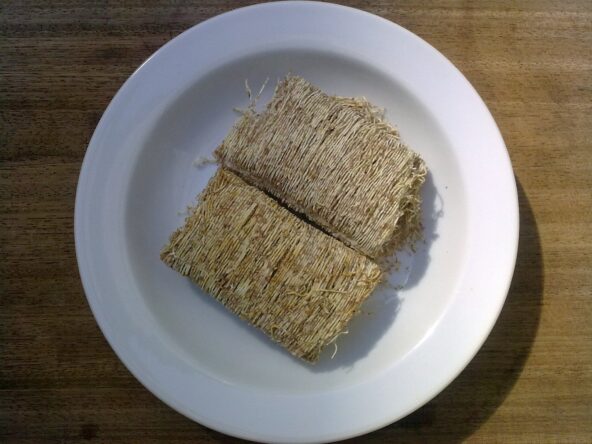
It barely has any added sugar at all, well under half a gram per serving in most versions, and the processing it goes through doesn’t involve piling in salt, fat, or anything else. It’s high in fibre and doesn’t have that engineered moreishness that makes some cereals so easy to keep eating. You have a couple of them, and you’re done, which is roughly how food is supposed to work.
It’s not glamorous and the texture takes some getting used to if you haven’t eaten it before, but nutritionally it’s one of the better things sitting in the cereal aisle, and it doesn’t cost much either.
Quorn is a reasonable swap for some of the meat in your week.
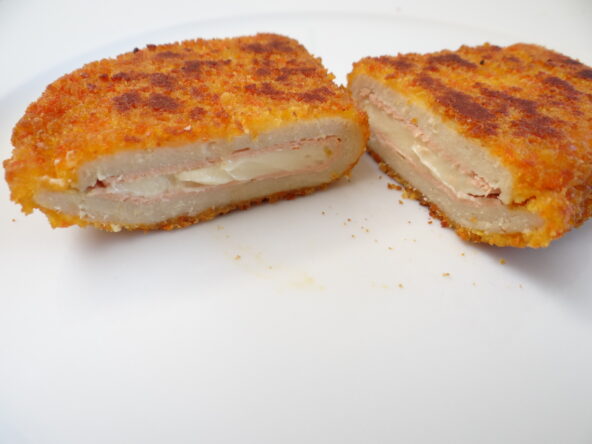
It’s manufactured and absolutely counts as ultra-processed, but what it’s actually doing is providing a decent amount of protein and fibre with much less saturated fat than most meat. The unflavoured versions have shorter ingredient lists than the seasoned or coated ones, so those are worth defaulting to if you’re using it regularly. It’s not as a whole food, but as a practical way to eat less meat without much effort, it does the job.
The mycoprotein it’s made from is derived from a type of fungus and has been eaten safely for decades, so the processing involved isn’t really the concerning kind. It’s more about making something edible from a natural source than engineering something to be addictive.
Chickpea-based snacks sit in an acceptable middle ground.
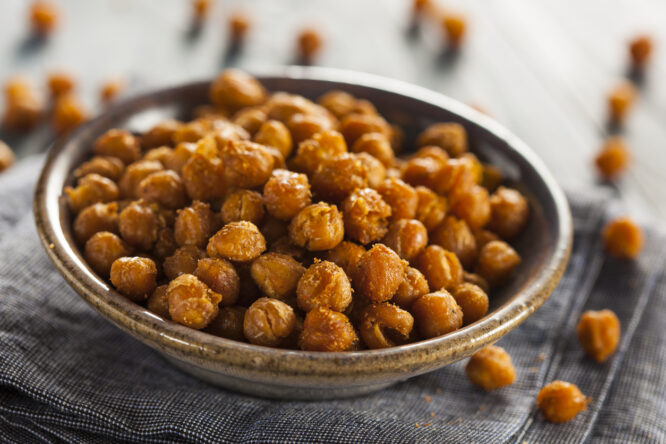
Crisps made from chickpea or legume flour rather than potato are a step up from the standard options. The protein and fibre content is higher, and the fat tends to be from a better source. That doesn’t mean they’re health food exactly, the puffing process breaks down the structure and makes them easy to eat quickly, so they’re not something to have every day.
But as an occasional snack they’re a reasonable choice, particularly if the alternative is a standard bag of crisps. The base ingredient making some nutritional contribution is better than a snack that’s essentially flavoured starch and very little else.
Ready meals are worth reading rather than dismissing outright.

Most of them deserve their reputation. High salt, cheap fats, additives to make everything taste like it was made from scratch when it wasn’t. But not all of them work that way. A small number of higher-quality ready meals have ingredient lists that read like a recipe rather than a chemistry experiment, with whole food ingredients and minimal additives beyond herbs and natural colourings.
They tend to cost more, and they’re still not something you’d eat every single night, but occasionally having one that’s well-made isn’t the problem that eating ready meals in general can be. The price difference between the cheap end and the better end of the ready meal section usually reflects a real difference in what’s actually in the tray.