Ultra-processed food is everywhere now, and most of us are eating a lot more of it than we realise.

It’s not just the obvious stuff like crisps and fizzy drinks. It’s the bread, the cereals, the sauces, the ready meals, the snack bars that are marketed as healthy. If you’re eating a typical diet in the UK, around 60% of your calories are probably coming from ultra-processed food, and the research on what that’s doing to our health is getting harder to ignore.
What makes a food “ultra-processed”?

The simplest way to think about it is this: if you look at the ingredients list and there are things on there that you wouldn’t find in a normal kitchen, it’s probably ultra-processed. Emulsifiers, flavourings, stabilisers, preservatives with names you can’t pronounce. These aren’t things you’d buy and cook with at home, they’re additives that get used in industrial food production to extend shelf life, improve texture, and make things taste more appealing.
It’s not the same as processed food, which would cover things like cheese, tinned tomatoes, or smoked fish. Ultra-processed is a further step beyond that, where the original food has been so heavily altered that what you end up with barely resembles anything that came out of the ground or off an animal.
There’s a reason it’s so hard to stop eating it.
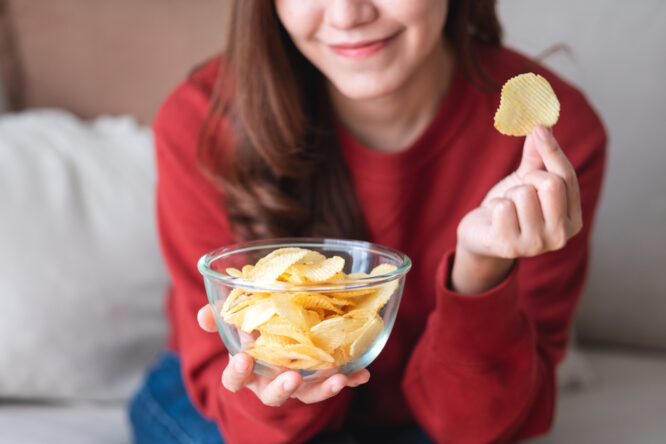
This is the part that gets interesting. Ultra-processed food isn’t just convenient, it’s been deliberately designed to keep you eating. There’s a specific combination of sugar, fat, and salt that researchers call the bliss point, and it’s engineered to hit your brain’s reward system in a way that keeps you coming back without ever feeling properly satisfied. You eat more, you don’t feel full in the right way, and you want more again fairly quickly.
Evolutionarily, our brains are wired to seek out calorie-dense food because for most of human history, food was scarce. That instinct made sense once. Now that hyper-palatable food is available everywhere and costs almost nothing, that same wiring is working against us. The food industry has spent decades figuring out exactly how to exploit it.
It has a major impact on your body in the long run.
The body hasn’t had time to adapt to the synthetic substances that ultra-processed food contains. When the gut encounters certain preservatives, sweeteners, and additives, the immune system treats them as foreign and mounts a response. Over time, that repeated low-level response becomes chronic inflammation, and chronic inflammation is linked to a long list of serious health problems.
One of the more concerning effects is what happens to body composition. Between the ages of 20 and 40, many people are quietly losing muscle mass and replacing it with visceral fat, which is the fat that accumulates around the organs rather than just under the skin. Visceral fat is particularly inflammatory and is associated with higher risk of heart disease, diabetes, and other metabolic conditions.
The research is stacking up, and it’s not reassuring.

Studies consistently show that people who eat more ultra-processed food have worse health outcomes across the board. Higher rates of metabolic syndrome, type 2 diabetes, certain cancers, higher BMI, elevated blood pressure and blood sugar, and increased risk of dementia and cognitive decline in older adults. These aren’t small, obscure studies, either. Major medical journals have been publishing and editorialising on this for several years now.
One widely cited editorial put it plainly: the rise of ultra-processed food is damaging public health, fuelling chronic disease, and deepening health inequalities. The argument isn’t that the occasional processed snack is going to derail your health, it’s that when this kind of food makes up the majority of what you eat day after day, the cumulative effect is major.
There’s a cancer link that people aren’t talking about enough.

There’s a theory, supported by growing evidence, that chronic inflammation caused by repeated exposure to ultra-processed food may be part of why cancer rates in people under 50 have been rising. The immune system has a role in screening for and dealing with early-stage cancers. When it’s permanently occupied managing inflammatory responses to food additives, it’s less able to do that job well.
This isn’t to say that ultra-processed food directly causes cancer in a simple cause-and-effect way. The relationship is more complex than that, and research is ongoing. But the association is strong enough that researchers are taking it seriously, and the trend of younger adults being diagnosed with cancers that were historically considered diseases of older age is real.
It’s not just about individual choices.
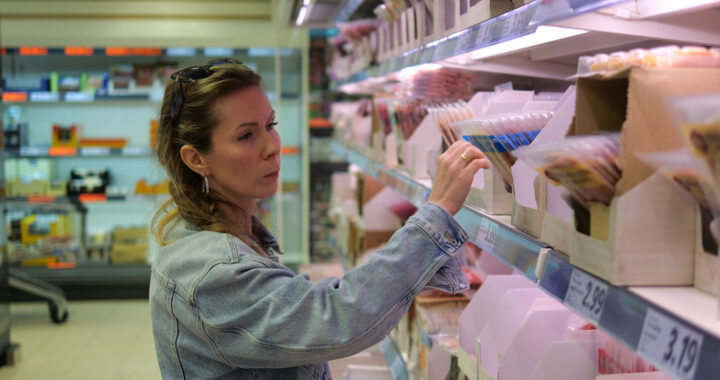
It’s tempting to frame this as a personal responsibility issue, but that misses something important. Ultra-processed food has been made cheap, convenient, heavily marketed, and almost impossible to avoid. It dominates supermarket shelves, fast food menus, school canteens, and hospital cafeterias. Telling people to just eat better doesn’t account for the fact that the entire food environment has been shaped to make ultra-processed food the path of least resistance.
Researchers and public health bodies are increasingly calling for systemic change rather than just individual behaviour change. Things like mandatory front-of-pack warning labels, restrictions on marketing ultra-processed food to children, taxes on the most harmful products, and investment in making whole foods more affordable and accessible. These are the kinds of levers that actually changes population-level eating habits, as opposed to just making people feel guilty about what they had for lunch.
Not every ultra-processed food is equally bad.

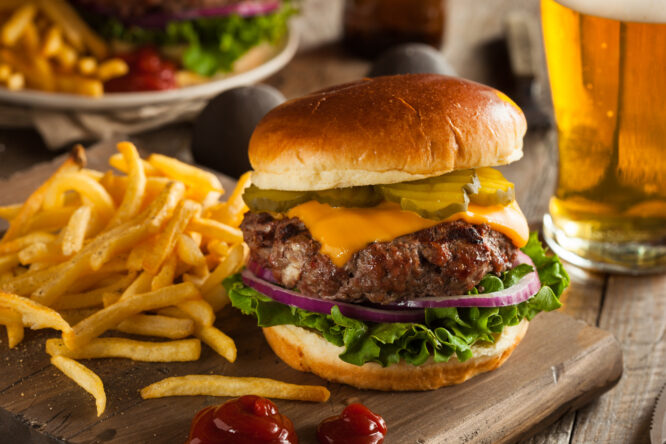
There’s a spectrum here, and some ultra-processed foods are worse than others. The ones most consistently linked to poor health outcomes are sweetened drinks, salty snacks, packaged baked goods, processed meats, and most fast food. Those are the ones worth focusing on if you’re trying to cut back.
Some things that carry health claims on the packaging are still ultra-processed, which is really confusing. Certain breakfast cereals, granola bars, and protein snacks fall into this category. The presence of a health claim on the front doesn’t mean the ingredient list on the back is going to reassure you. A rough rule of thumb is that if the ingredients read like a chemistry textbook, it’s ultra-processed, regardless of what the marketing says.
Small changes are easier to implement than a major overhaul.

The goal doesn’t have to be eliminating ultra-processed food entirely, which for most people is neither realistic nor necessary. It’s more about tilting the balance. Cooking from scratch more often, choosing whole foods where they’re available and affordable, and being aware of which ultra-processed products you’re relying on most heavily. Even small reductions in the proportion of ultra-processed food in your diet tend to make a difference over time.
Whole foods don’t have to mean expensive or complicated. Tinned pulses, frozen vegetables, eggs, oats, bread made with simple ingredients, these are all accessible and affordable options that don’t involve a long list of additives. The further a food looks from its original state and the longer the ingredients list, the more processed it tends to be. Keeping that in mind while shopping doesn’t require a degree in nutrition, just a bit of attention.
What does the future of the food industry look like?

The UK is already at a point where the majority of adult calories come from ultra-processed food, and the health system is starting to feel the strain. Rising rates of type 2 diabetes, obesity, heart disease, and certain cancers all have complex causes, but diet is a major thread running through most of them. The evidence is clear enough now that continuing to treat this as a minor concern or a matter of personal preference doesn’t really hold up.
What happens next depends partly on policy and partly on how much public awareness changes. Research is moving quickly in this area and the conversation is getting louder. For now, the most useful thing most people can do is get to know what’s actually in the food they eat regularly, and think about whether the ratio of processed to whole foods in their diet is somewhere they’re comfortable with.