It’s one of those debates that never seems to fully settle: Can someone carrying extra weight still be considered healthy if they stay active?

A big review pulling together results from dozens of long-term studies and hundreds of thousands of adults has just given this question some useful answers, and the results might surprise anyone who’s always assumed the number on the scales tells the whole story. It turns out how fit your body is may matter a lot more than how much it weighs.
The research was widespread and worldwide.

The team behind this review gathered results from 20 separate long-term studies involving almost 400,000 adults from around the world. They focused on two things in particular: how likely people were to die from any cause, and how likely they were to die specifically from heart related problems.
Each person’s weight and fitness level were both measured, with fitness worked out through a demanding test that checks how well the body uses oxygen during exercise. People were then sorted into six groups based on a mix of their weight and how fit they were, ranging from lean and fit right through to carrying excess weight and unfit.
Fitness turned out to matter more than weight.

Across the board, being fit made a far bigger difference to how long people lived than how much they weighed. People who scored well on fitness tests tended to live longer and stay healthier, regardless of which weight category they fell into.
Being “fit” in this study didn’t mean anything extreme, either. It simply meant scoring better than the bottom fifth of people in your age group, a bar that regular movement like walking, cycling, or swimming can realistically help most people clear without needing to become a serious athlete.
The difference fitness made was huge.
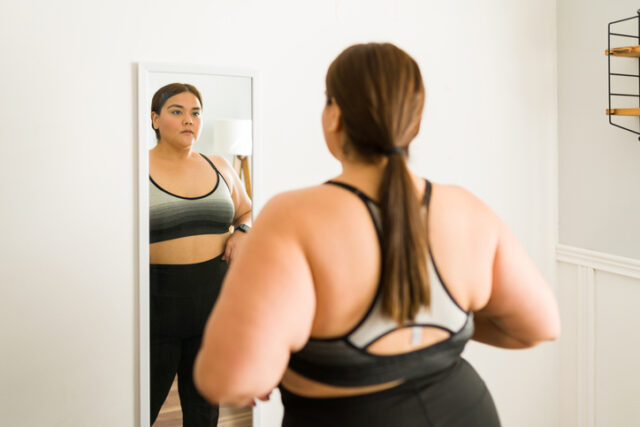
People who were fit, whether they were lean, carrying some extra weight, or classed as having a higher body weight, all had roughly similar chances of a long life. There wasn’t a meaningful gap between them once fitness was factored in.
Being unfit told a very different story. People with a “normal” body weight but poor fitness actually had a much higher risk of dying early than fit people carrying extra weight did. Unfit people with a higher body weight faced by far the steepest risks of all, including a much greater chance of dying from heart related problems specifically.
Being a “normal” weight isn’t automatically a safety net.

One of the more eye-opening parts of this research is what it reveals about people sitting in the so-called healthy weight range. Simply falling within that range doesn’t guarantee good health if fitness levels are low. In fact, being lean but unfit turned out to be riskier than being fit while carrying extra weight. It’s a strong reminder that the number on a set of scales rarely tells you the full story about what’s actually going on inside someone’s body.
You don’t need to become an athlete to see the benefit.
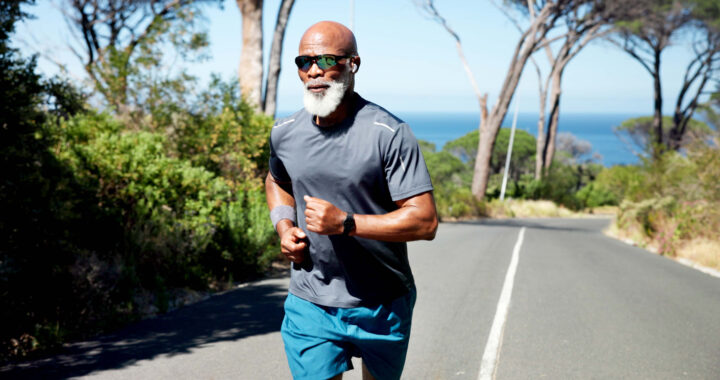
None of the people classed as “fit” in this research needed to be running marathons or training like professional athletes. Most simply needed to sit somewhere above the lower end of fitness for their age group, a level that regular, everyday movement can realistically help most people reach.
That’s really encouraging news for anyone who’s felt intimidated by the idea of needing to become super fit before seeing any real benefit. Brisk walks, a regular bike ride, or a few laps in the pool each week may be enough to move someone out of the highest risk category entirely.
Why does fitness help the body in the first place?

There’s a fairly simple explanation for why fitness makes such a big difference. Regular movement helps the body manage blood sugar more effectively, calms down inflammation, strengthens the heart, and builds muscle, and all of these changes lower health risks on their own, separate from whatever happens to the number on the scales.
Many people in these studies saw real benefits even when their weight barely changed at all. That suggests the improvements were coming directly from becoming fitter, rather than from losing weight itself.
The findings should inform how we think about health.

For a long time, public health advice has leaned heavily on weight loss as the main goal for staying healthy. The trouble is that weight loss on its own often doesn’t stick, with a lot of people ending up back where they started within a decade, having gone through months or years of effort along the way.
This research points towards a different, more forgiving way of thinking about health, one built around building fitness rather than chasing a particular number on the scales. Even small, steady improvements in fitness appear to lower the risk of heart problems and early death in a real and measurable way, especially for anyone who’s been largely inactive up to this point.
There are a few things worth keeping in mind.

As encouraging as these findings are, they do come with some limits worth bearing in mind. The way weight was measured in this research doesn’t tell the difference between fat and muscle, and it says nothing about where in the body that weight is actually stored, both of which matter for overall health.
The group of people studied was also still mostly male and largely based in wealthier countries, meaning future research will need to include a much wider range of backgrounds before we can be fully confident these results apply to everyone equally. Being fit doesn’t wipe out every risk linked to carrying extra weight, either, and conditions like type 2 diabetes and joint problems are still more common at higher body weights regardless of fitness levels.
For anyone thinking about getting more active, here’s the bottom line.

What this all adds up to is a hopeful message: fitness matters, possibly even more than we’ve been led to believe. Regular movement can lower the risk of an early death substantially, even if your weight stays exactly the same throughout.
Moving the focus away from weight and towards simply moving more could make a healthier lifestyle feel a lot more achievable and a lot less discouraging for plenty of people. Every walk, swim, or bike ride counts towards a longer, healthier life, whether or not it ever shows up as a different number on the scales.