Millions of households across the UK could end up paying more than they need to on their energy bills if they don’t take a few minutes to submit a meter reading before Wednesday.
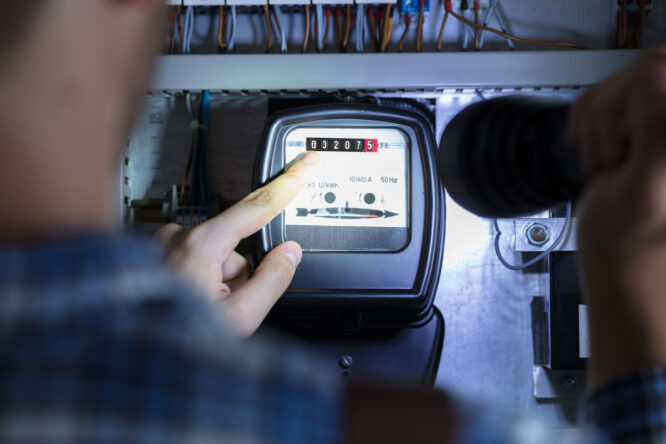
The energy price cap, set by the regulator Ofgem, is rising on 1 July, and anyone without a smart meter who hasn’t given an up-to-date reading risks having part of their June usage charged at the new, higher rates rather than the old ones. An estimated 5.3 million households on standard tariffs fall into this category. It’s a small task with a real financial benefit attached, and the deadline is close enough that it’s worth dealing with today rather than putting it off.
The price cap is rising by 13% this week.

From Wednesday, the maximum rates that energy suppliers can charge households on standard tariffs are going up considerably. For those paying by direct debit, electricity charges are rising from 24.67p per kilowatt hour to 26.11p, while gas charges are climbing from 5.74p per kWh to 7.33p. That’s a meaningful jump in the cost of both, particularly gas, which is increasing by close to a quarter.
Based on these new rates, the average household’s combined gas and electricity bill is expected to rise by £221 a year, bringing the typical annual bill to £1,862. The increase is largely being driven by a spike in global energy prices linked to the ongoing situation involving Iran, which has pushed up wholesale costs across international markets.
Submitting a meter reading now can make a big difference to how much you pay.

If you don’t have a smart meter, your supplier doesn’t automatically know exactly how much gas or electricity you’ve used up to the point the price cap changes. Without an accurate reading, suppliers tend to estimate your usage, and that estimate can end up applying the new, higher rate to energy you actually used back in June, while it was still cheaper.
Submitting a reading on or before Wednesday, 1 July, gives your supplier an accurate picture of exactly where your usage stood the moment the old rates ended. It’s a simple step that takes a couple of minutes, and it directly protects you from being overcharged for energy you used before the price increase even came into effect.
It’s also worth checking whether you’re on the best deal available.

Beyond submitting a reading, energy experts are pointing out that the price cap rising doesn’t necessarily mean your own bill has to rise by the same amount. Fixed-rate deals are currently available that undercut the new price cap, meaning switching could leave you paying less than the standard tariff rate even after this increase takes effect.
At the time of reporting, there were 27 fixed deals on the market priced below the new July price cap. The best of these was much cheaper than the average household would pay on the standard tariff, illustrating that there’s real money to be saved simply by comparing options rather than defaulting to whatever your current supplier charges.
There’s a small silver lining in the timing.

One piece of slightly better news is that this increase is landing during the warmer months, when most households have their heating switched off and overall energy usage is naturally lower. That timing softens the practical impact somewhat, since the higher unit rates apply to less overall consumption than they would during winter.
Looking ahead, another price cap increase had originally been expected when the cap resets again in October. That now looks less certain than it did a few weeks ago, following a recent interim peace agreement between the US and Iran, which has already led to a drop in wholesale gas prices on international markets. Whether that translates into a smaller October increase, or no increase at all, will depend on how prices continue to move over the coming months.
Make sure you do this before Wednesday.

If you’re on a standard tariff and don’t have a smart meter, submit a reading today or tomorrow rather than leaving it until the last moment. It only takes a couple of minutes through your supplier’s website or app, and it ensures you’re not charged the new rate for energy used before the change came into effect.
It’s also worth taking ten minutes to compare fixed-rate deals against your current tariff, particularly given that several options are currently available below the new price cap. With wholesale prices still fluctuating due to ongoing global events, a fixed deal also offers the reassurance of knowing exactly what you’ll pay for the duration of the contract, regardless of what happens to the cap later in the year.