Most people with psoriasis focus on their evening routine when it comes to managing sleep.
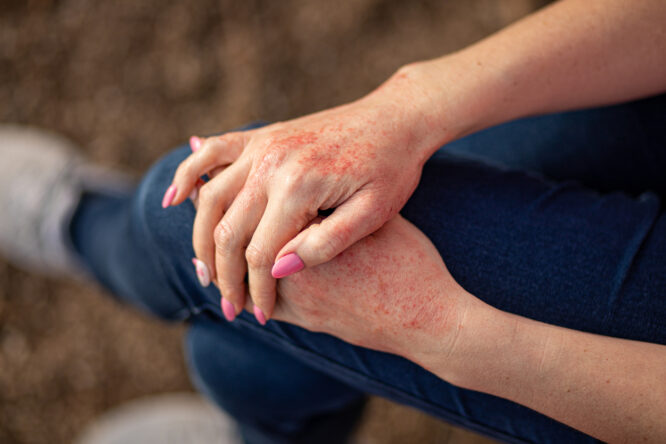
That makes sense because itchy, uncomfortable skin at night is one of the condition’s most disruptive effects. However, what you do in the hours before you even get to bed has a bigger influence on how the night goes than most people realise. Three fairly common afternoon habits in particular can quietly make symptoms worse by bedtime, and they’re worth knowing about.
The connection between psoriasis and sleep runs in both directions. Poor sleep leaves the body more stressed and inflamed, which can worsen symptoms, which then makes sleep harder, which raises stress levels further. It’s a cycle that’s genuinely difficult to break once it gets going, and afternoon choices play a real role in either feeding that cycle or interrupting it.
Stress in the afternoon doesn’t stay in the afternoon.
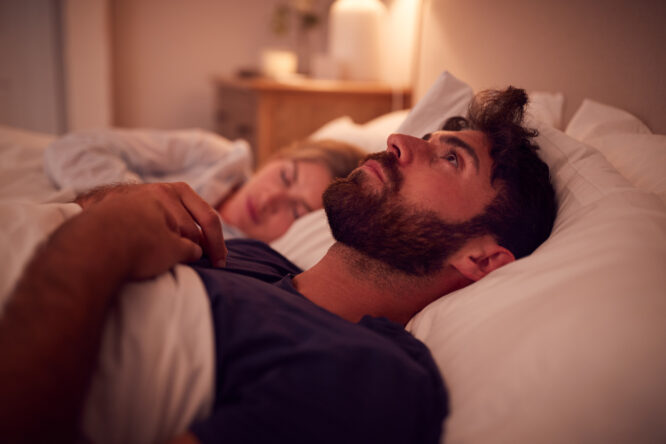
Psoriasis and stress have an uncomfortable relationship. Stress can trigger flares and make existing symptoms worse, while living with psoriasis is itself a source of ongoing stress: the visibility of it, the unpredictability of flares, the constant management of it all. That means many people with the condition are carrying elevated stress levels more or less continuously, which keeps inflammation higher than it would otherwise be.
Late-day stress is particularly relevant because it tends to feed directly into nighttime discomfort. The itch-scratch cycle that psoriasis causes tends to intensify at night, and going into the evening already wound up makes that much worse. Finding something in the afternoon that genuinely brings stress levels down isn’t just about feeling better in the moment. It’s about giving your skin and your nervous system a better chance of settling down by the time you’re trying to sleep.
Skipping moisturiser after a shower is a small habit with real consequences.

If you work out or shower in the afternoon, what you do immediately afterwards matters quite a bit for psoriasis. Moisturising after washing helps seal water into the skin and supports the healing process, while skipping it leaves the skin barrier exposed and more likely to dry out, flake, and itch by the time evening comes around. Moisturisers that contain ceramides are particularly useful because they help maintain and restore the skin barrier, rather than just sitting on the surface.
Dermatologists recommend moisturising twice a day, once after bathing and once before bed, and the afternoon shower is often the one people skip because they’re in a rush or just don’t think about it. When the skin barrier isn’t being maintained, psoriasis can worsen relatively quickly, and increased itching at night is one of the first signs that it’s heading that way. It takes about two minutes and makes a meaningful difference to how the skin behaves in the hours that follow.
A few drinks at happy hour can seriously disrupt your night.

Alcohol is linked to more severe psoriasis symptoms and a weaker response to treatment, and it’s also one of the more common triggers for flares. Psoriasis is an inflammatory condition, and alcohol tends to increase inflammation, so even if you don’t notice an immediate reaction on your skin, it can be quietly making things harder to manage. The effect is often more noticeable with larger amounts, but for some people, even a modest intake is enough to see a difference.
The sleep side of things is equally relevant. Alcohol might make you feel drowsy and help you fall asleep faster, but it consistently disrupts the deeper, more restorative stages of sleep that the body needs to repair itself overnight. For someone already dealing with itching and discomfort, that combination of more inflammation plus worse sleep quality makes for a pretty rough night. Cutting back on alcohol, or avoiding it on nights when symptoms are already flaring, is one of the more impactful changes people with psoriasis can make.
What actually helps is building healthy habits.
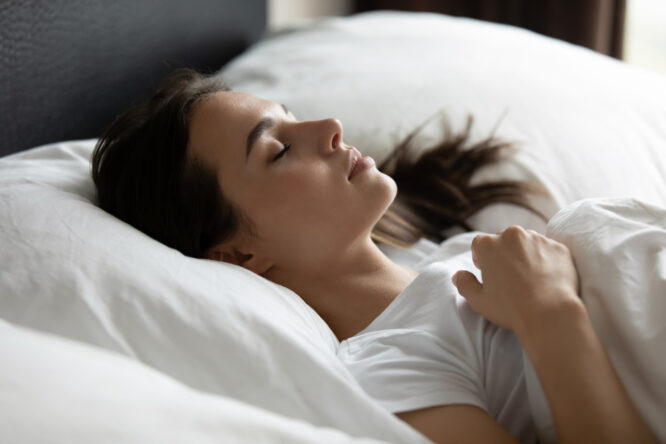
Getting at least seven hours of sleep and keeping a consistent sleep and wake time both make a genuine difference to how well the body manages inflammation. Screens in the hour or two before bed should be avoided too, partly because the light affects how easily you fall asleep, and partly because doomscrolling isn’t exactly a stress-reduction strategy. A wind-down routine doesn’t need to be elaborate, it just needs to be consistent enough that your body starts to associate it with sleep.
The broader lifestyle picture is important as well. Psoriasis responds to the overall state of the body, so things like staying active, eating in a way that supports gut health, managing stress across the whole day, and keeping on top of medical treatment all feed into how manageable symptoms are. None of it replaces working with a dermatologist, and if sleep is a persistent problem, it’s worth speaking to a doctor who specialises in sleep disorders rather than just pushing through it. The itch-sleep-stress cycle is real, but it’s also something that can be meaningfully interrupted with the right support and a bit of consistency in the afternoon as well as the evening.
The bigger picture is about seeing psoriasis as a whole-day condition.

It’s easy to think of psoriasis management as something that happens at night: applying creams, trying not to scratch, hoping for a decent few hours of rest. But the condition responds to everything that happens across the day, and the afternoon slot in particular has more leverage over how the night goes than most people account for. Stress left unmanaged, skin left unmoisturised after a shower, a few drinks that feel harmless in the moment — all of it arrives at bedtime.
Small, consistent changes to afternoon habits won’t cure psoriasis, but they can meaningfully shift the cycle in a better direction. Better sleep leads to less inflammation, less inflammation means fewer flares, and fewer flares means less disruption at night. It builds gradually rather than overnight, but the direction of travel is worth starting.