Chances are, you’ve been seeing more and more Chinese cars parked along the road and in your neighbours’ driveways lately.
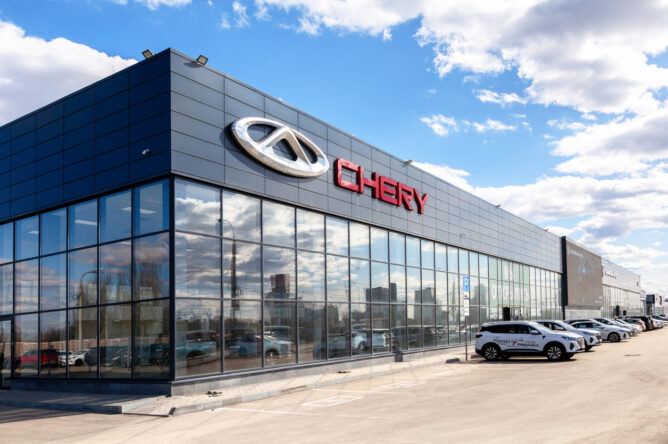
Chinese car brands have been making serious inroads into the UK market, and one of the ways they’re winning over buyers is through warranty packages that often put established European and Japanese rivals to shame. Some are now offering up to seven years of cover on new cars bought in Britain, which explains why they’re becoming an increasingly popular choice for drivers.
Why warranties matter when buying a new car
Every new car comes with a manufacturer’s warranty, which is essentially a guarantee to cover faulty parts and repair costs for a set period after purchase. The length and terms of that warranty vary considerably between brands, and for many buyers it’s a significant factor when choosing between otherwise similar cars.
A longer warranty reduces financial risk over the first years of ownership and can signal genuine confidence from the manufacturer in the reliability of their product. With Chinese brands still building their reputations in the UK, strong warranty packages are one of the clearest ways they can demonstrate that commitment.
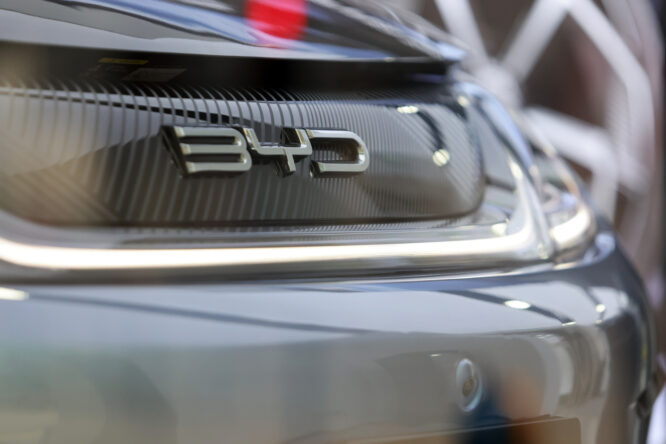
BYD
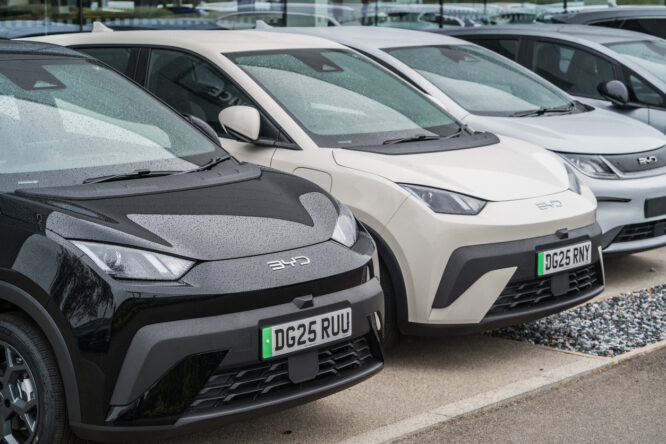
BYD, sometimes referred to as the Tesla killer given its position as the world’s largest electric vehicle maker, offers a six-year warranty on new cars alongside eight years of cover specifically for the battery and drive unit. The extended battery cover is particularly significant for EV buyers concerned about long-term running costs.
The brand currently has more than 130 dealerships across the UK, with that network reportedly expanding to 150, supported by partnerships with major groups including Arnold Clark, Lookers, and Vertu. The combination of wide coverage and strong after-sales support puts BYD in a competitive position for buyers who want reassurance alongside the purchase.
Leapmotor
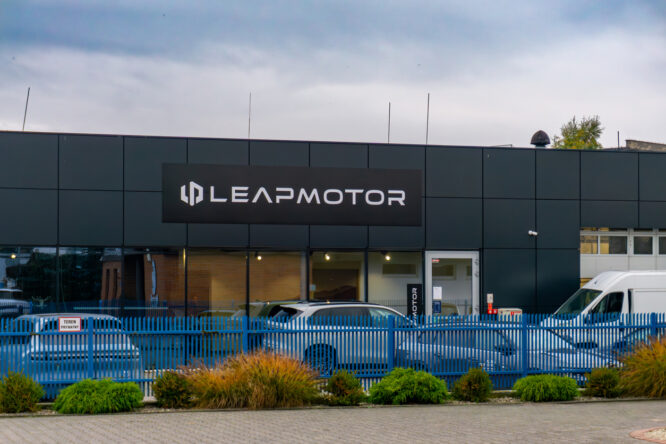
Leapmotor is one of the fastest-growing Chinese car brands in the UK, backed by Stellantis, the automotive giant that also owns Vauxhall and Peugeot. That backing gives it access to an extensive network of 800 sales and service points across Europe, which is a significant advantage for buyers who want accessible support.
New Leapmotor cars come with a four-year or 60,000-mile warranty, whichever comes first. While this is shorter than some rivals on this list, the breadth of the dealer network and the Stellantis backing offer a level of infrastructure confidence that some newer brands can’t yet match.
Chery, Omoda, Jaecoo and Lepas
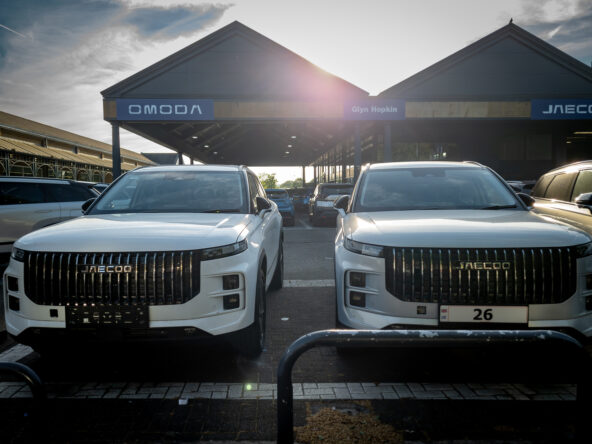
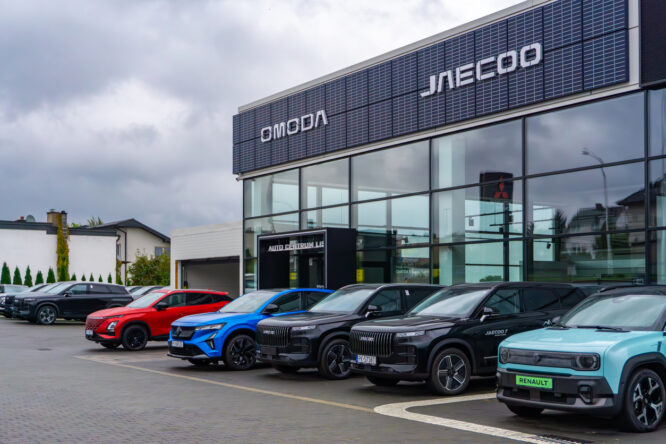
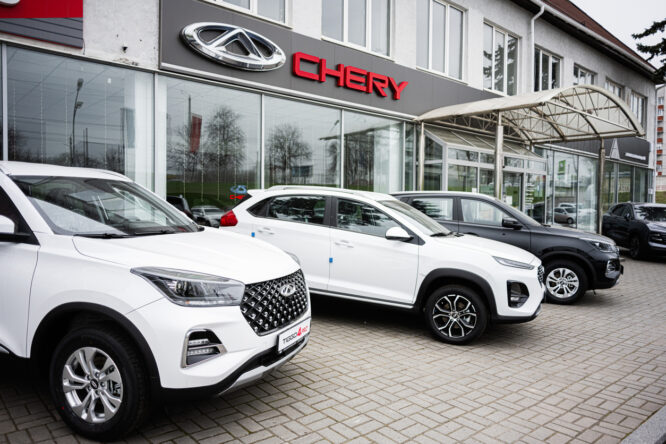
Chery International operates several brands in the UK, including Omoda and Jaecoo, which together share a 124-strong dealer network. All cars sold under the Chery International umbrella come with a seven-year or 100,000-mile warranty, whichever comes first, making this one of the strongest packages currently available on the market.
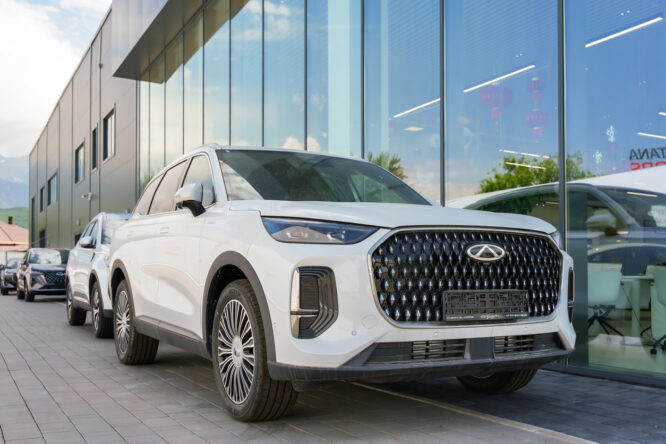
Chery’s own brand has an 80-strong dealer network of its own, and the company has recently launched a further brand called Lepas, which will have its own dedicated dealership presence. The combined reach of all these brands gives Chery International a broader footprint in the UK than many people might expect from a relatively recent arrival.
MG
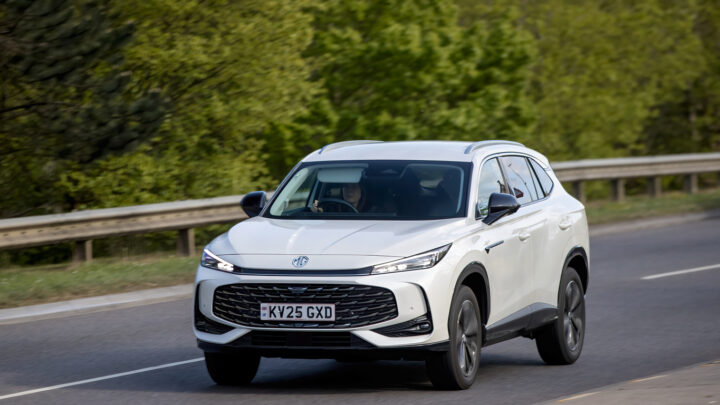
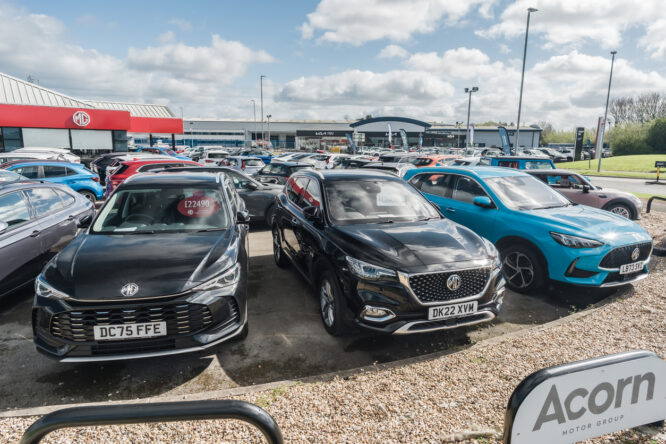
MG is arguably the best-known Chinese car brand in the UK, partly because of its British heritage as a former domestic marque. It offers seven-year warranties across all new cars and has one of the largest dealer networks of any Chinese brand in the country, with 180 locations nationwide.
MG also offers a service plan that can cover MOTs, though this needs to be added separately when selecting a plan rather than coming included as standard. The combination of a long warranty, wide dealer coverage, and a familiar name makes MG one of the more accessible entry points for buyers curious about Chinese car brands but cautious about after-sales support.
How these warranties compare to mainstream rivals
Most mainstream European brands offer three-year warranties as standard, with some extending to five years. Seven-year cover from MG or Chery International therefore represents a significant advantage on paper, covering a period when many traditionally warranted cars would already have left buyers relying entirely on their own pocket for repairs.
Korean brands like Kia and Hyundai helped change expectations when they introduced seven-year warranties years ago, and Chinese brands appear to be following a similar playbook. Using long warranty cover as a way to overcome buyer hesitation about unfamiliar names is a well-established strategy, and it worked well enough for the Koreans that it’s easy to see why Chinese brands are adopting the same approach.
What to actually check before relying on a warranty
Warranty length is only part of the picture, and the headline figure can sometimes obscure important limitations buried in the small print. Most warranties are conditional, requiring owners to service the car at approved dealers and use manufacturer-approved parts, and failing to stick to these terms can void the cover entirely.
It’s also worth checking what exactly is covered and what isn’t. Some warranties cover mechanical failures but exclude wear and tear items like brakes and tyres, while others have mileage caps that can be reached well before the time limit, particularly for higher-mileage drivers. Reading the full terms before buying rather than assuming a longer warranty equals better protection is genuinely worthwhile.
Why Chinese car brands are growing so fast in the UK
Beyond warranties, Chinese car brands have been gaining ground in the UK by offering well-specified cars at prices that undercut established rivals by a significant margin. Features that would come as expensive extras on a German or Japanese equivalent often come as standard, making the value proposition hard to ignore for budget-conscious buyers.
The growth of the electric vehicle market has also played in their favour, since Chinese brands have invested heavily in EV technology and arrived in the UK with competitive electric ranges at a time when demand is rising. For buyers making the switch from petrol for the first time, a brand offering a long warranty alongside a compelling price point removes two of the biggest barriers to making that leap.
Is a longer warranty always better?
A seven-year warranty sounds impressive, but its value depends heavily on how likely a car is to develop faults in the first place. A reliable car with a three-year warranty may ultimately cost an owner less than a less reliable one with seven years of cover, since warranty claims involve time, inconvenience, and sometimes disputes about whether a fault is covered.
That said, for buyers who plan to keep a car for a long time rather than changing every two or three years, a longer warranty does provide genuine peace of mind during the years when mechanical problems become statistically more likely. For this group, the extended cover offered by Chinese brands represents a real and tangible benefit rather than just a marketing headline.