Cruise holidays are meant to be about switching off, seeing new places and enjoying a break from everyday life.
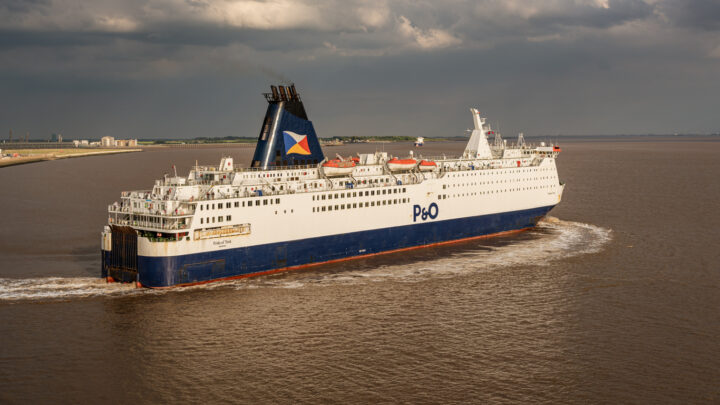
Sadly, for some passengers, the holiday could end before it even begins if they arrive at the port without the right paperwork. P&O Cruises has reminded customers that one item is not optional, and failing to bring proof of it could result in passengers being denied boarding at their own expense.
With thousands of Brits expected to set sail this summer, the warning serves as a reminder that booking a cruise involves more preparation than simply packing a suitcase and turning up at the terminal. For P&O Cruises passengers, having the right travel insurance could be just as important as having a passport.
Travel insurance is now a requirement for all passengers.

Many people see travel insurance as something that is sensible to have, but not absolutely necessary. P&O Cruises takes a much stricter approach. The company states that suitable cruise travel insurance is mandatory for every guest travelling on its ships.
That means passengers must have cover in place before they travel. It is not something that can be sorted out after boarding, and it is not a rule that applies only to certain destinations. According to the cruise operator, every guest is expected to have appropriate insurance cover for the entire holiday.
You may need to prove you have cover.

Having insurance is only part of the requirement. Passengers may also be asked to show proof that they have arranged it.
The company advises travellers to bring either a printed copy or a digital version of their insurance documents. The paperwork should clearly show the names of the travellers and confirm that cover is in place for the dates of the cruise. Without that proof, passengers could find themselves facing difficult questions before boarding.
Passengers can be turned away at the terminal.

This is the part that catches many people by surprise. P&O Cruises states that passengers who cannot confirm they have arranged suitable insurance may be denied boarding.
For families who have spent months planning a holiday, the consequences could be major. Hotels, travel arrangements and cruise bookings may already have been paid for, making a last-minute problem both stressful and expensive. The company also makes clear that any costs resulting from being refused boarding would be the passenger’s responsibility.
Standard travel insurance may not provide enough protection.
Some travellers already have travel insurance through their bank account, a credit card package or an annual policy. However, that does not automatically mean they have the right level of cover for a cruise holiday.
Cruises involve situations that ordinary travel insurance may not fully cover. Medical treatment at sea, emergency evacuations and changes to itineraries can create challenges that are very different from those experienced on a typical hotel-based holiday. That is why many insurers offer specialist cruise cover.
Medical emergencies at sea can become expensive very quickly.
One reason cruise operators place such importance on insurance is the potential cost of medical care. If someone becomes seriously ill or injured while at sea, treatment can be far more complicated than it would be on land.
A passenger may need specialist care, transportation to a hospital in another country, or even emergency evacuation from the ship. These situations can cost thousands of pounds. P&O Cruises recommends passengers have medical and repatriation cover worth at least £2 million to help protect against those risks.
Pre-existing medical conditions should never be overlooked.
Some travellers worry that declaring a health condition will make insurance more expensive. While that may sometimes be true, failing to declare a condition can create much bigger problems later.
If a medical issue arises that relates to an undeclared condition, an insurer may refuse to cover the costs. In serious cases, passengers could find themselves facing large medical bills. Cruise operators and insurers therefore strongly encourage travellers to declare all relevant conditions before taking out a policy.
Cancellation cover could save you a lot of money.
Many people focus on what might happen during a cruise, but problems can arise before departure, too. Illness, family emergencies or unexpected events can all force travellers to cancel a holiday at short notice.
That is why cancellation cover is often considered one of the most valuable parts of a policy. If something unexpected prevents you from travelling, the right insurance could help recover some or all of the money spent on the trip.
Make sure every destination is included.
Cruise holidays often visit several countries during a single voyage. Because of that, passengers should check that every destination on their itinerary is covered by their policy.
Some insurance plans have regional restrictions or exclude certain countries. If travellers are unsure whether a destination is covered, it is worth checking with the insurer before departure rather than discovering a problem after the ship has sailed.
Cruise holidays come with different risks from land-based trips.
A cruise is very different from a traditional package holiday. You are travelling between multiple destinations, spending long periods at sea and relying on facilities that may be hundreds of miles from home.
That does not mean cruises are unsafe. In fact, millions of people enjoy them every year without any issues. However, the unique nature of cruise travel means insurance plays a bigger role than many first-time passengers realise.
A simple check before you leave could save your holiday.

The good news is that avoiding problems is usually straightforward. Travellers simply need to make sure they have suitable cruise insurance, check that it covers the full length of the trip and destinations involved, and keep proof of cover with their travel documents.
Before heading to the port, it is worth taking a few minutes to confirm everything is in place. It may not be the most exciting part of planning a cruise, but it could be the difference between stepping aboard and watching the ship sail without you.