Making the switch to an electric car usually comes with the promise of wave goodbye to sky-high petrol stations.
That being said, figuring out what you’ll actually spend on electricity is incredibly confusing. Between home tariffs, rapid public chargers, and peak-time penalties, the cost of filling a battery changes completely depending on where and when you plug in. You might end up feeling totally misled by generic promises of cheap driving, when the reality on your monthly bills looks a lot more complicated.
If you’re trying to work out whether going electric genuinely makes financial sense for your daily commute, stripping away the marketing spin and looking at the raw numbers across different charging setups gives you the honest picture.
Where you charge makes such a big difference.
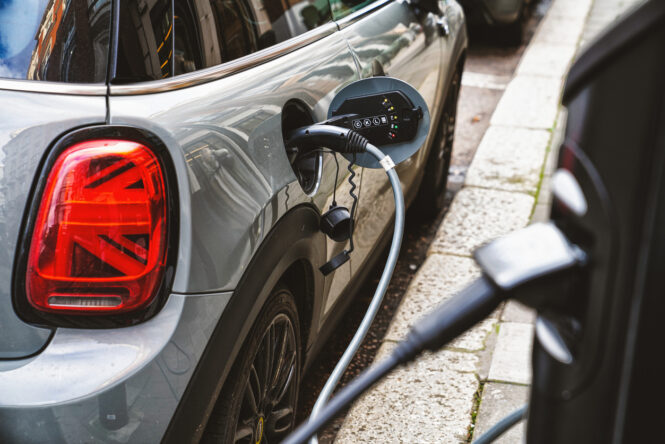
Charging at home, particularly on an off-peak or dedicated EV electricity tariff, is by far the cheapest option available. Rates can be as low as 7p per kilowatt hour at off-peak times, which works out to around 2p per mile for a typical electric car. That’s far cheaper than running a petrol or diesel equivalent.
Public charging is a completely different story. Ultra-rapid chargers at motorway service stations typically charge somewhere between 74p and 89p per kilowatt hour depending on the provider, which pushes the cost per mile up to around 27p. For context, a typical large petrol or diesel SUV costs around 19p per mile to fuel, meaning public charging can actually be more expensive than filling up with petrol.
What does public charging actually cost right now?
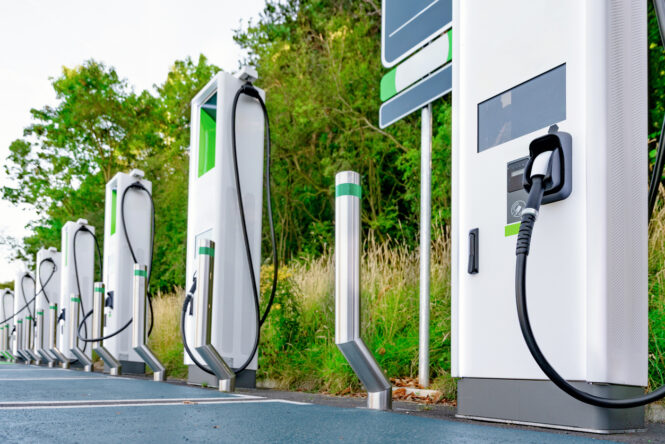
Prices vary between networks, but as of April 2026, BP Pulse was among the most expensive at 89p per kilowatt hour, while Tesla Superchargers offered the widest range at 26p to 69p depending on the location and time. Shell Recharge sat between 74p and 89p, and Gridserve, Ionity, and Osprey all came in at 81p to 87p.
Slower public chargers in residential areas tend to be cheaper than motorway rapid chargers, typically coming in at around 53p to 66p per kilowatt hour, though they take considerably longer. These are better suited to topping up rather than adding considerable range quickly.
Can you ever charge for free?
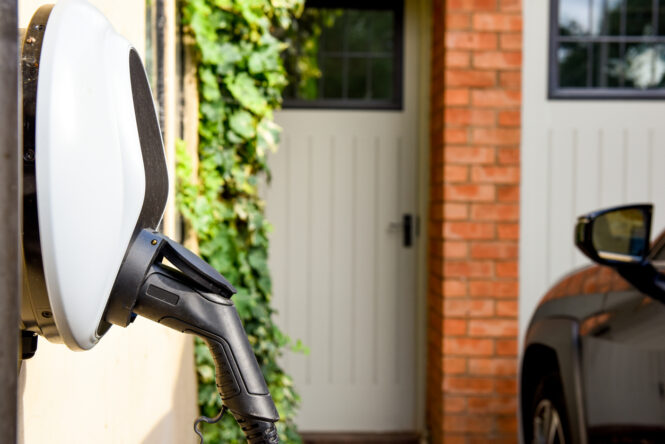
Free charging points do still exist, but they’re much less common than they once were. Where they do appear, they’re usually owned by a business, meaning you’ll typically need to be a paying customer to use them, and parking charges may still apply even if the electricity itself is free.
Free chargers also tend to be slow, making them useful for a top-up during a longer stay rather than a meaningful charge. Apps like Zap-Map let you search for charge points by network, speed, plug type, and payment method, which makes tracking down free or cheaper options easier than hunting around manually.
Electric sometimes becomes more expensive than petrol.
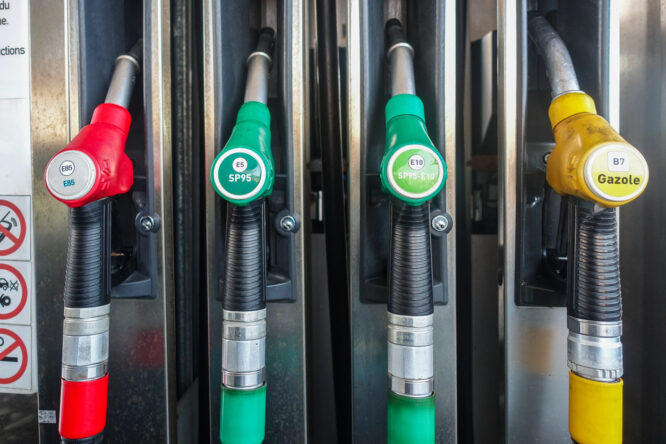
The break-even point depends on the car and where you’re charging, but as a rough guide, paying more than around 51p per kilowatt hour tends to make an electric car more expensive to run than a comparable petrol or diesel model. This is a threshold that public rapid charging frequently crosses.
If you charge exclusively on the public network, the economics of electric car ownership look considerably less attractive than the headline figures suggest. The real savings come from home charging, which is why access to off-street parking and a home charger makes such a big difference to the financial case for going electric.
Charging losses affect what you actually pay.
One thing most people don’t factor in is that charging an electric car uses more electricity than the battery can actually hold. Some energy is lost in the process of transferring power from the charger to the battery, which is called charging loss and means the real cost is slightly higher than the battery size alone would suggest.
Testing has shown that a car with a 77 kilowatt hour battery can require around 88 kilowatt hours to charge fully, depending on the charger type used. This roughly 14% difference is worth knowing about when calculating actual running costs, since it means the per-mile figure is slightly higher than simple calculations based on battery size would indicate.
It’s possible to reduce what you pay for public charging.
An EV charge card lets you access multiple charging networks through a single account, rather than managing separate apps and payment methods for each one. Providers like Octopus Electroverse and Shell Recharge offer these, and some also provide time-limited discounts or reduced rates that can take a meaningful amount off the cost of a public charge.
Some car manufacturers include their own charge cards when you buy one of their electric models, with brands like Audi and Kia both offering this perk. It’s worth checking what’s included with any electric car purchase rather than assuming you need to set everything up independently from scratch.
How long does charging actually take?

Charging times vary enormously depending on the type of charger used and the car itself. A standard three-pin plug at home is the slowest option by a large margin, with a Tesla Model Y taking around 38 and a half hours to charge from 10% to 80% this way, making it impractical for anything other than a very slow overnight top-up over multiple nights.
A 7 kilowatt home charger brings that down to around 12 hours, which works well overnight for most daily driving needs. At a 250 kilowatt public rapid charger, the same charge takes around 33 minutes, making it viable for a motorway stop on a longer journey. Using a standard three-pin plug for regular charging isn’t recommended since these sockets aren’t designed to handle the continuous power demand involved and can overheat over time, posing a fire risk, particularly if extension leads are used.