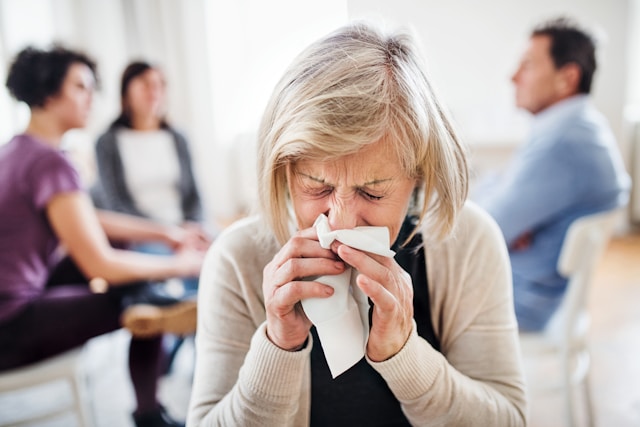
Waking up with streaming eyes, a blocked nose, and a scratchy throat is a miserable routine for anyone living with severe hay fever.
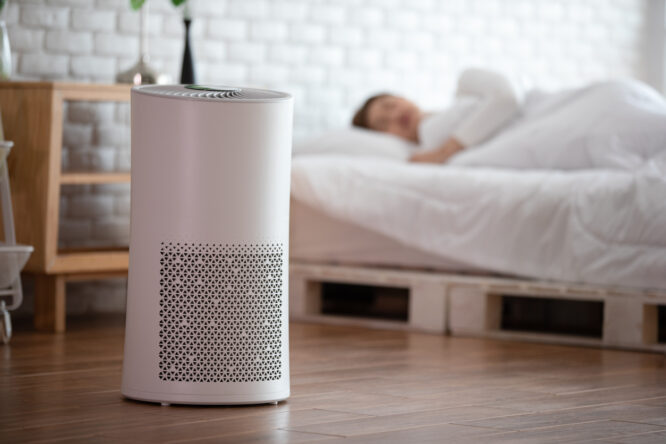
When the pollen count hits the roof, it feels like the allergens follow you absolutely everywhere, even when you’re sitting indoors with the doors and windows firmly shut. You might be tempted to spend a chunk of cash on a flashy air purifier in the hope that it’ll magically clear the air and let you breathe easily again.
However, while these machines are brilliant at filtering out tiny floating particles, they can’t stop you from reacting to the pollen that has already settled all over your carpets, sofas, and clothes. You need to understand how these devices actually handle outdoor allergens inside your home so you get a much clearer idea of whether they’re worth the investment, or if you’re better off sticking to standard antihistamines.
When does pollen season actually hit?
Pollen doesn’t arrive all at once, which is why some hay fever sufferers start struggling in spring, while others are hit hardest in summer. Tree pollen comes first, running from late March to mid-May, followed by grass pollen from mid-May to July, and weed pollen from June through to September.
Understanding which type of pollen triggers your symptoms can help you plan ahead, since the worst periods vary depending on what you’re allergic to. An air purifier can help reduce indoor exposure across all three seasons once pollen has made its way into your home.
How an air purifier actually works
An air purifier pulls air in, traps particles floating in it, and pushes clean air back out into the room. The key is how well it captures particles at different sizes, since pollen and other allergens like dust exist at various scales and a purifier needs to handle all of them to be genuinely useful.
A good machine will filter out enough of these particles to noticeably reduce allergen levels in a room, which can make a real difference to how comfortable your home feels during peak pollen season. It won’t eliminate symptoms entirely, but for most people it takes the edge off in a big way.
There’s one very important feature you should be looking for before you buy.
A HEPA filter is the single most important thing to check when buying an air purifier for hay fever. HEPA stands for high-efficiency particulate air, and under EU standards a genuine HEPA filter must capture at least 99.95% of tiny particles. This level of filtration is what makes the difference between a purifier that actually reduces allergens and one that mostly moves air around.
Be cautious of machines labelled with marketing terms like “HEPA-type” or “HEPA-style”, since these don’t necessarily meet the same standard and may perform much worse. If the packaging doesn’t confirm it meets EU HEPA requirements, it’s worth looking elsewhere.
Don’t forget about the other features worth having.
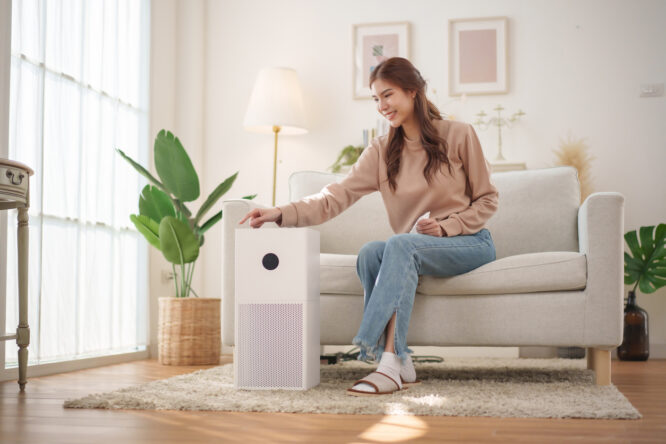
A carbon filter, sometimes called an activated charcoal filter, absorbs unpleasant smells and gases rather than particles, making it a useful addition alongside the HEPA filter rather than a replacement for it. Automatic mode with an air quality sensor is also worth looking for, since this lets the machine detect when pollution levels rise and ramp up accordingly without you needing to adjust it manually.
Timers let you run the machine for a set period rather than leaving it on constantly, and smart functionality means you can control settings and check air quality through an app on your phone. These aren’t essential features, but they make a purifier easier to live with day to day.
How much should you spend on a quality air purifier?

Air purifiers range from under £100 to over £700, and budget models at the cheaper end tend to underperform in testing. Smaller, cheaper machines often have fans that aren’t powerful enough to pull in a meaningful volume of air, which limits how much difference they actually make to a room.
That doesn’t mean you need to spend several hundred pounds, but it’s worth being realistic about what a very cheap model can achieve. Looking at independent test results rather than marketing claims is the most reliable way to work out whether a particular machine is worth the money.
There are other ways to reduce pollen indoors, and they’re free.
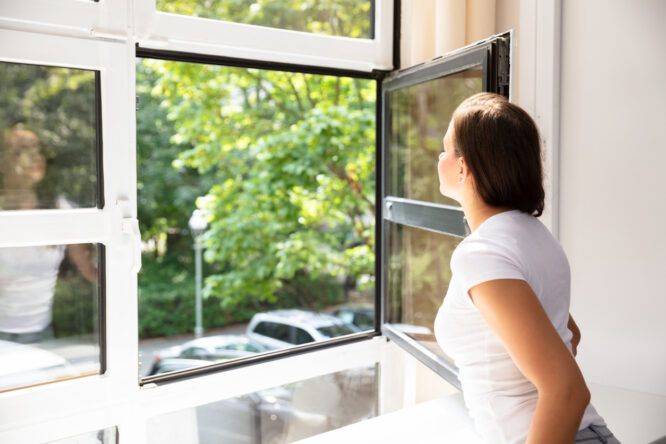
Keeping windows closed is one of the most effective things you can do, especially in the early morning when pollen is being released and in the evening when cooler air draws it back down. Showering, washing your hair, and changing clothes when you come home also removes pollen before it has a chance to settle around the house.
Wiping pets down with a damp cloth when they come inside stops them carrying pollen in on their fur, and avoiding drying clothes or bedding outside on high-pollen days makes a noticeable difference too. Wearing wraparound sunglasses and a peaked hat outdoors helps limit how much pollen reaches your face and eyes before you get home.
Keep track of pollen levels so you know what to expect.

Downloading the Met Office weather app is a straightforward way to check daily pollen forecasts and plan around particularly high-count days. Knowing when levels are at their worst lets you make practical decisions, like keeping windows shut or avoiding outdoor exercise at certain times, rather than reacting to symptoms after the fact.
Combining this kind of awareness with an air purifier running indoors and a few simple habits around the house gives you the best chance of reducing how much pollen you’re actually exposed to on any given day, which is ultimately what makes the biggest difference to how bad symptoms get.