For most people, heading round to a friend’s house means walking up to the front door, pressing the buzzer, and waiting for them to open up.
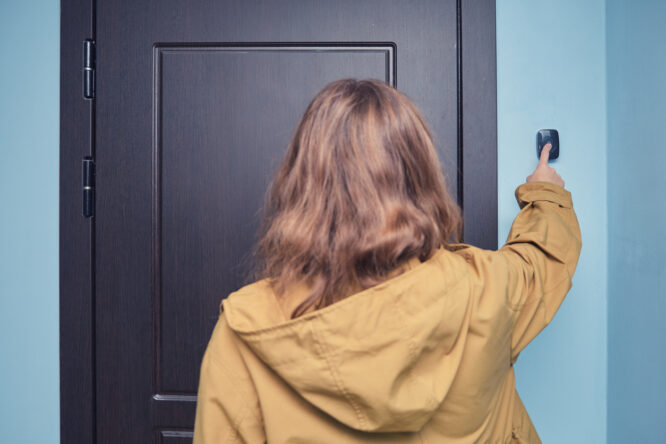
It’s a normal habit that most of us have done our entire lives without giving it a second thought. However, a new poll has revealed that Gen Z see this basic piece of kit in a completely different light, with the majority of young people actively avoiding it when they visit someone’s home.
The change in daily habits has left parents and older homeowners puzzled as to why a traditional greeting has suddenly become a social nightmare. The younger generation has established a brand new set of unspoken rules for arriving at a house, and looking at why they are ditching the chime reveals a lot about how modern communication has changed our comfort zones.
Why is Gen Z avoiding doorbells?

A national survey of 2,000 Brits found that a third of people aged 18 to 29 don’t like using doorbells, choosing to message or call ahead of time instead. Many in this age group feel that ringing a doorbell is simply too intrusive or too formal for how they prefer to communicate with friends and family.
This isn’t just a small personal preference, either; it reflects a genuine change in how an entire generation thinks about announcing themselves at someone’s front door. What was once a completely normal action now feels, for many young people, like an oddly direct way of getting someone’s attention.
What is “doorbell dread”?
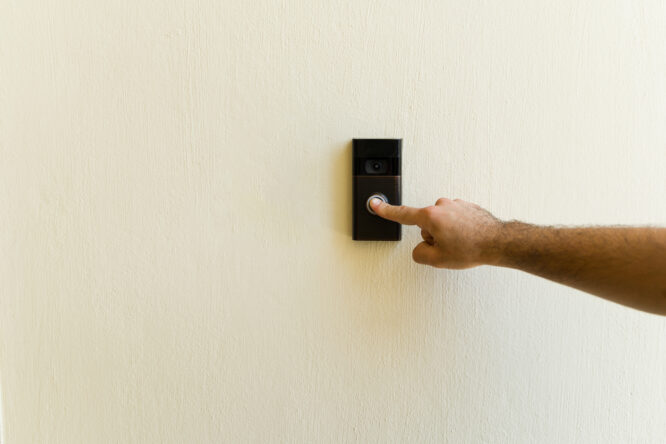
Almost a quarter of people surveyed said they’d feel a sense of dread if a visitor rang their doorbell without texting first. This reaction has even been given its own name, doorbell dread, describing the unease some people feel when caught off guard by an unexpected ring at the door.
Technology expert Simrat Sharma, from comparison website Uswitch, explained that this shows just how central smartphones have become, not only for messaging but for managing the small social habits that used to happen at the front door without a second thought. What used to be an automatic action has slowly turned into something that requires a bit of social planning beforehand.
It’s not only Gen Z avoiding the doorbell.
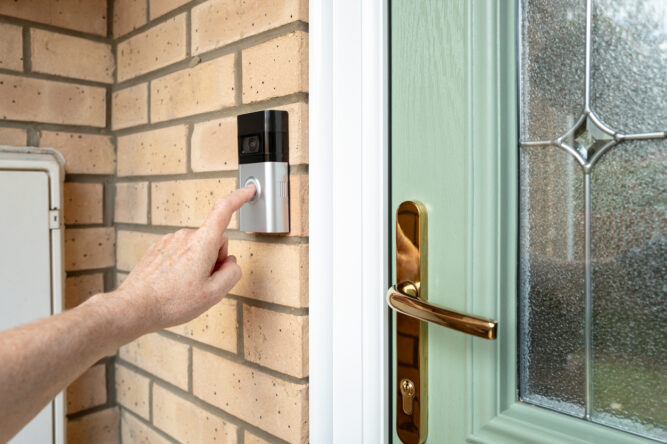
While Gen Z stood out the most in the survey, they’re far from alone in this habit. Almost a quarter of millennials also said they avoid ringing doorbells, compared with an average of just 14% across all age groups surveyed, including older generations who grew up with the doorbell as the standard way of arriving somewhere.
This suggests the move away from doorbells isn’t limited to the youngest generation alone, but is spreading more broadly across younger adults in general. It hints that this might not just be a passing trend, but a genuine long-term change in everyday social habits.
People largely prefer texting over ringing.

Among Gen Z respondents who choose to text or call instead of ringing a bell, 39% said it simply felt less intrusive than a sudden doorbell ring. Another 19% felt that ringing a doorbell came across as too formal for the situation, almost as though it demands more attention than the moment really calls for.
A further 23% said they believed their friend was more likely to notice a text or call on their phone than hear a doorbell from another room, suggesting practicality plays a role here too, not just etiquette. For a generation that’s rarely far from their phone, this logic makes a fair bit of sense.
Most people don’t like the doorbell ringing unexpectedly.

Across all age groups, 23% of Britons said they’d feel negatively if someone rang their doorbell without texting beforehand. One in eight said they’d feel caught off guard entirely, while 7% admitted they’d actually feel anxious or stressed by the sudden interruption to their day.
These reactions show just how much an unannounced doorbell ring can now feel like a genuine disruption, rather than simply the normal way visitors used to arrive unannounced. A knock at the door, once unremarkable, has quietly become something many people need a moment to mentally prepare for.
Smart doorbells haven’t stopped the decline.
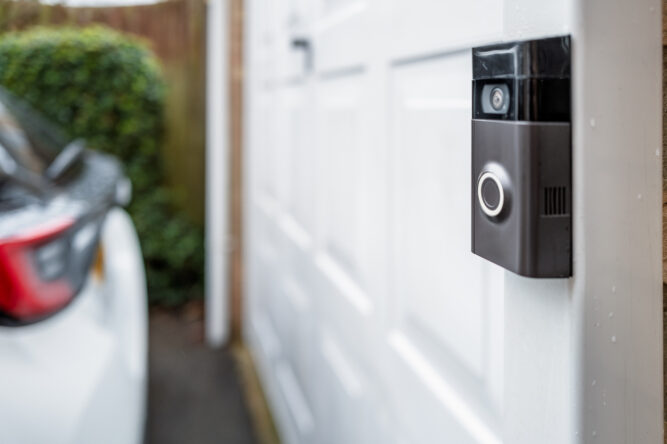
Ironically, doorbells have become more advanced than ever in recent years, with many homes now fitted with cameras, Wi-Fi connections, and two-way speakers built directly into the device. Despite all this added technology, and the money spent installing it, people are pressing them less than ever before.
Sharma pointed out that for younger people especially, ringing a doorbell has gone from being the obvious default action to something that now feels like an unusual choice entirely. All that smart technology hasn’t brought people back to the doorbell, if anything it’s simply made it a more sophisticated thing to avoid.
Other phone habits Britons are picking up are just as bad.

Doorbell avoidance isn’t happening in isolation, it’s part of a wider pattern of how people now use their phones day to day. The same survey found that four in ten Britons dodge calls from numbers they don’t recognise, while more than a third no longer use a landline at all in their homes.
These habits paint a picture of a much bigger change in how people choose to communicate, with traditional methods steadily being replaced by texting, messaging apps, and screening calls before deciding whether to answer them. Even within the same household, communication habits are changing rapidly across generations.
It’s part of a wider trend among young people.

This survey follows other recent findings that point to a similar pattern among younger generations more broadly. Earlier research found that one in four young people would rather talk to AI than speak with an actual person, and more than two-thirds said they’d cancel plans just to spend time online instead of socialising in person.
A separate study from last year also found that 47% of Gen Z felt too shy to order coffee in person, preferring instead to order through an app on their phone rather than speak to someone face to face. Taken together, these findings suggest the doorbell isn’t an isolated case, but one small example of a much wider shift away from direct, in-person interaction.