Energy prices are climbing again, and that’s pushing more UK homeowners to look seriously at solar panels.
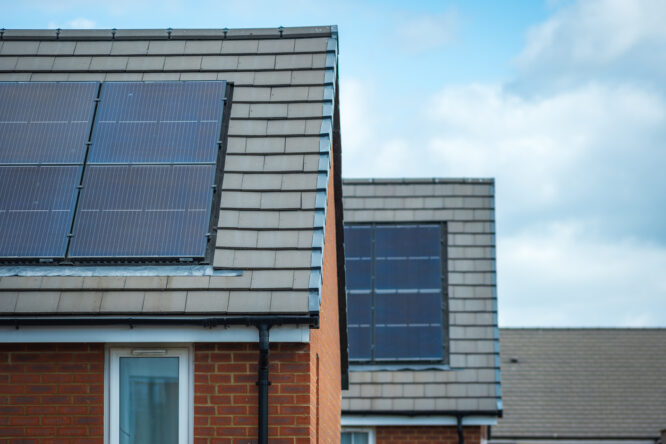
Around 1.65 million homes already generate their own solar energy, and the market is still growing fast, with 27,000 new installations completed in March 2026 alone, the highest monthly total since 2012. While the upfront installation cost is a significant investment, the long-term payoff means the system effectively pays for itself by cutting your reliance on the national grid.
If you’re tired of watching your hard-earned cash disappear into a utility supplier’s pocket every month, making the move to solar is a genuinely smart way to future-proof your home.
How much could you actually save?
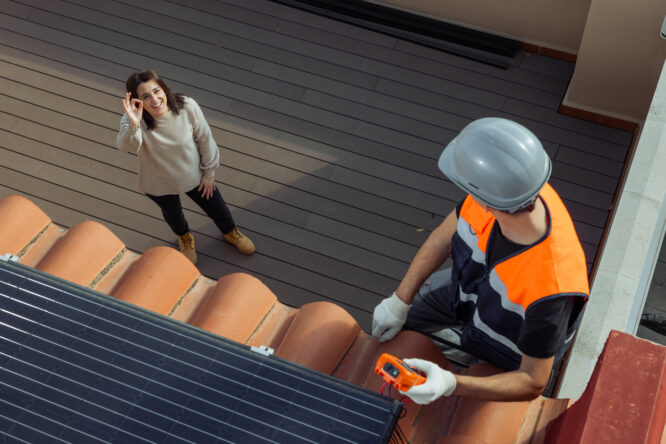
A 2025 report from the Department for Energy Security and Net Zero found that the average homeowner could save around £500 a year by installing rooftop solar panels. That makes the payback time relatively short compared with other energy-saving home improvements, and the installation process itself tends to be more straightforward too.
Whether that figure applies to your home depends heavily on a few key factors, starting with your roof itself. Getting these basics right from the start makes a huge difference to whether solar ends up paying for itself quickly or not.
First, you’ll have to check if your roof is suitable.
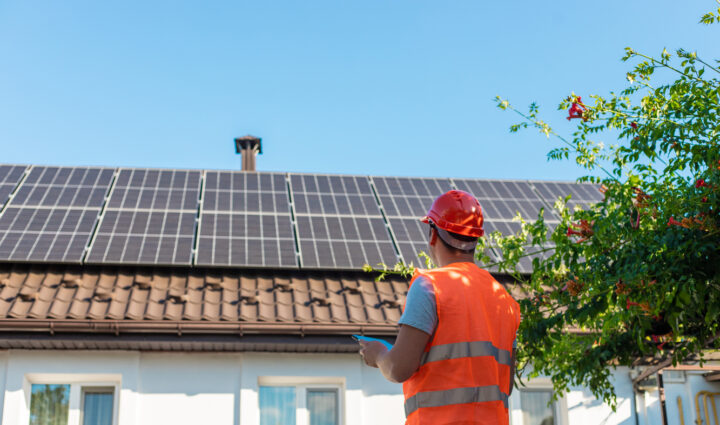
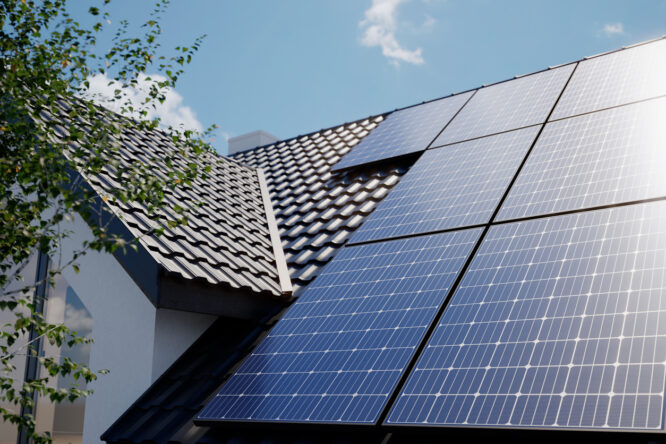
For the best results in the UK, you’d ideally want a large, south-facing roof with a pitch of 30 to 40 degrees, somewhere in the south of England, and free from any shading. Few homes tick every one of those boxes, but that doesn’t mean solar won’t work for you, just that some factors matter more than others when it comes to output.
Southern parts of the UK get around 20% more solar energy than areas further north, though panels can still be worthwhile up north if other conditions are favourable. The main dealbreaker is a north-facing roof or one that’s heavily shaded by buildings or trees that can’t easily be removed, since this can mean panels never generate enough to repay their installation cost.
Get an in-depth assessment before committing.
An online calculator is a good starting point for working out your home’s potential, but it’s worth going further before spending any real money. Most installers offer a free quote, but it’s worth paying around £150 for an independent solar feasibility report instead.
This gives you an unbiased, third-party assessment of whether solar panels actually make sense for your particular home, covering technical suitability, system design, and realistic estimates for cost and savings. Since this advice isn’t coming from someone trying to sell you panels, it tends to be far more reliable than a free quote from an installer alone.
Understand what you’re buying.
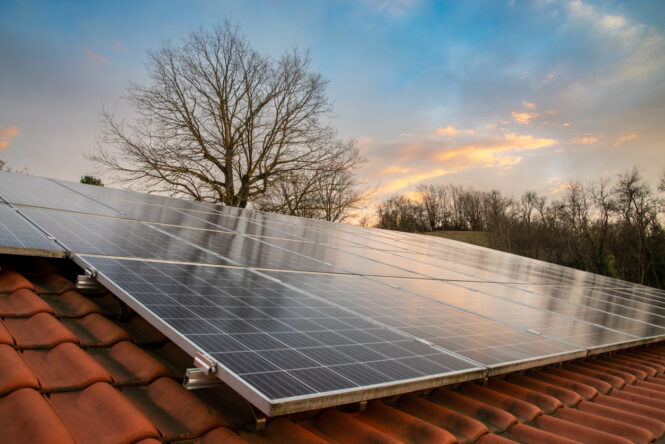
As a domestic customer, you’ll normally buy panels through an installation company rather than picking a brand directly yourself. Most installers only work with one or two specific brands, so getting a few different quotes is the only real way to compare what’s actually on offer.
When comparing panels, focus on efficiency and power rating, the length of the warranty, and overall value for money, alongside how the panels look if they’ll be visible from the street. Efficiency refers to the percentage of daylight a panel can turn into electricity, and most panels installed in the UK today are all-black monocrystalline, with the best rated at around 25% efficiency. A panel can last 30 to 40 years, typically backed by a product warranty of 12 to 25 years, along with a performance guarantee promising a minimum output, such as 88% of original capacity after three decades.
Weigh up whether you need a battery.
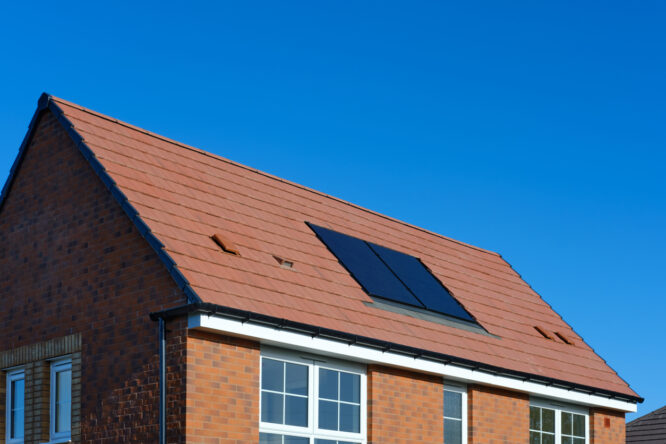
One downside of relying on solar as your main source of electricity is that most households use the bulk of their power in the evening, exactly when there’s no sunlight left to generate it. During the day, your panels might generate far more electricity than you’re actually using, especially if nobody’s home.
A storage battery solves this by letting you save that extra electricity for later use rather than losing it. You can even charge a battery from the mains using a time-of-use tariff, storing cheap electricity overnight to use during expensive peak hours instead.
Factor in the real cost of a battery.
Adding a battery isn’t cheap, typically adding somewhere between £2,000 and £6,000 to the upfront cost for a typical UK rooftop system. That’s a big jump, so it’s worth asking your installer or an independent expert to calculate your likely savings both with and without a battery before deciding either way.
Since the savings a battery delivers depend heavily on your household’s usage patterns, what works well for one home might not make financial sense for another, even with an identical solar setup.
Choose the right installer.
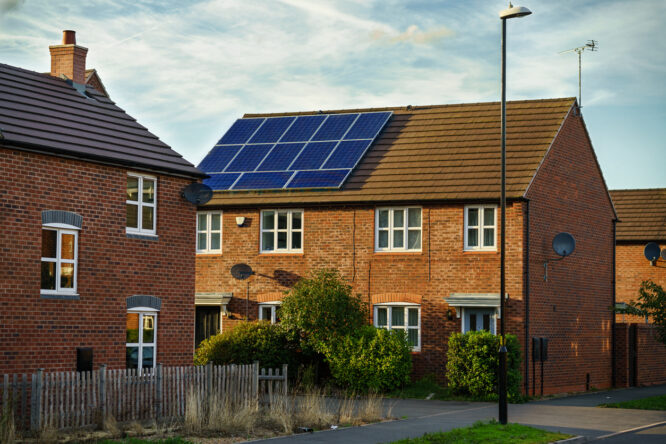
Among Which? members who already have solar panels, just under half used a local independent trader, while around a quarter went with a nationwide firm, and there are trade-offs either way. Whichever route you choose, look specifically for installers certified by the MCS or Flexi-Orb, since you’ll need one of these certifications to qualify for export payments later on.
It’s also worth checking they offer an insurance-backed guarantee, meaning you’re still covered even if the company goes out of business partway through a 25-year warranty period. As with any major home improvement, get at least three quotes and make sure exactly what’s included is crystal clear before signing anything.
Make sure you compare quotes properly.
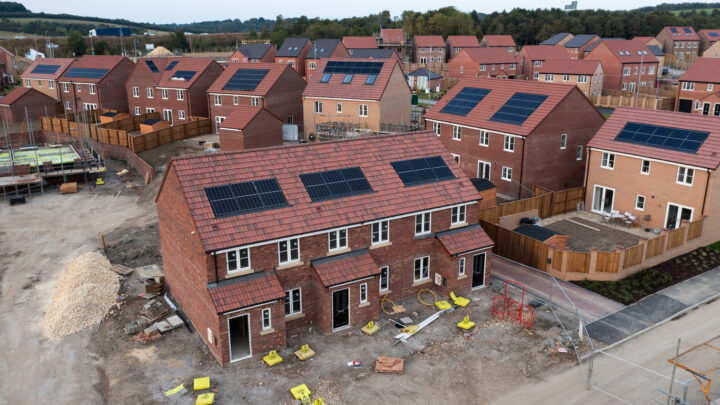
To fairly compare quotes, divide the total system cost by its total power output to get a price per watt figure. According to MCS, the average installation cost per kilowatt hour in 2025 was around £1,650, giving you a useful benchmark to measure quotes against.
Make sure each quote clearly covers things like scaffolding, labour, and any extras such as bird or squirrel protection, since these can otherwise turn into unexpected costs later. It’s also worth asking what support continues after installation, since certified installers must provide at least a two-year workmanship warranty, though some offer ongoing monitoring and maintenance for an extra fee.
Make the most of your system once it’s installed.
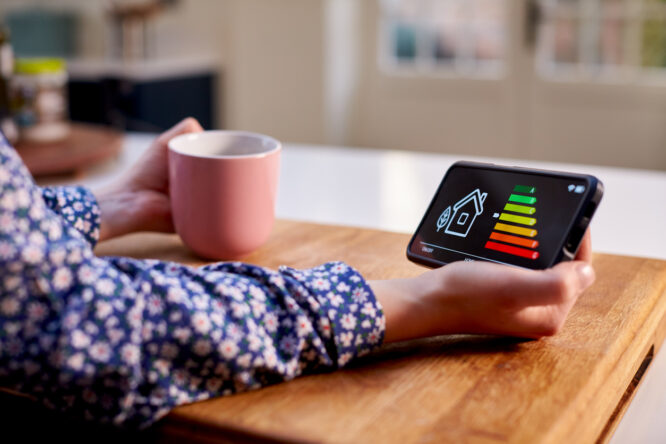
How you actually use a solar panel system once it’s up and running makes a real difference to your overall savings. It’s generally best to use as much of your own solar power as possible to avoid relying on expensive grid electricity, so if nobody’s home during daylight hours, your savings may end up lower than expected.
Battery storage, time-of-use tariffs, and your ability to schedule energy-hungry appliances to run during sunny hours can all boost your savings further. You can also sell any surplus power back to an energy company through the Smart Export Guarantee scheme, though the rate tends to be modest. According to Ofgem, households on an export tariff earned around 13p per kilowatt hour on average in 2024 to 2025, less than half the typical price-capped cost of electricity.