Diagnosing Alzheimer’s has traditionally been an incredibly lengthy and stressful process.
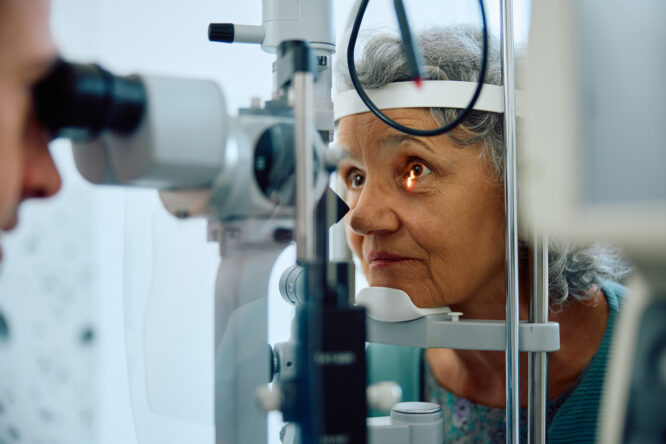
That’s largely because it often relies on complex memory tests and expensive brain scans after the first symptoms have already appeared. However, a major breakthrough in medical science shows that the very first warning signs of cognitive decline might actually show up in the back of your eyes decades before any noticeable memory loss kicks in.
Because the retina is directly connected to the central nervous system, the microscopic changes happening inside your brain, like the build-up of harmful proteins and thinning tissue, replicate themselves inside your eyes. Spotting these subtle visual markers during a routine check-up offers a massive head start, allowing people to take action and access treatments years before the disease takes hold.
The eyes can tell us a lot about our overall health and wellbeing.
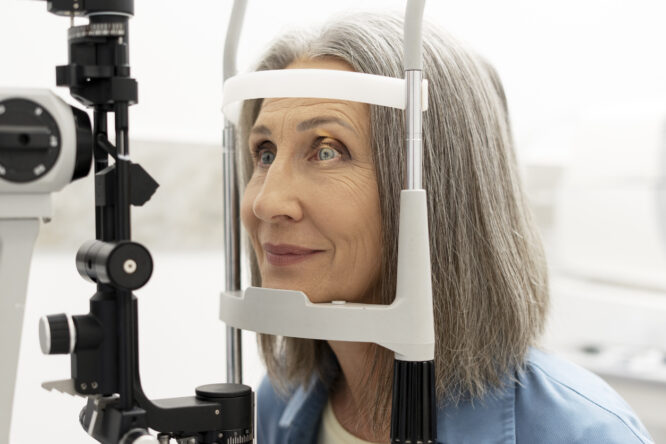
At the back of your eye sits something called the retina, a thin layer packed with nerve cells and tiny blood vessels. Because it’s made of similar tissue to the brain, doctors have started to wonder whether changes happening there might mirror changes happening inside the brain too.
Researchers have already shown that retina photos can spot people who currently have Alzheimer’s. Now they’ve taken it further, looking at whether those same photos can flag people who might develop the disease much later in life.
What the photos can and can’t tell us
It’s important to be clear that these photos can’t actually diagnose Alzheimer’s years in advance. Nobody can look at an eye scan and say for certain someone will develop the disease. What the photos can do is pick up on subtle signs linked to known risk factors, almost like spotting warning signs before anything serious happens. It’s more of an early heads up than a fortune-teller.
How scientists tested the idea

A team led by researcher Ruogu Fang used computer software to study over 62,000 retina photos taken from more than 40,000 people. The software was trained to look for patterns linked to twelve different things known to raise Alzheimer’s risk, including age, smoking, sleep habits, and blood pressure. The goal was to see whether the computer could spot warning signs in the eye photos that lined up with these known risk factors, even in people who hadn’t been diagnosed with anything yet.
What the eye scans actually showed
The computer found several patterns worth paying attention to. Blood vessels in the eye sometimes appeared stiffer or narrower than normal, and the optic nerve, which connects the eye to the brain, sometimes looked thinner too.
People who later developed Alzheimer’s were more likely to show these small changes in their eye scans. Scientists already suspected something similar from past studies, so this added more weight to the idea that the eye and brain decline together.
Why this could be useful for doctors
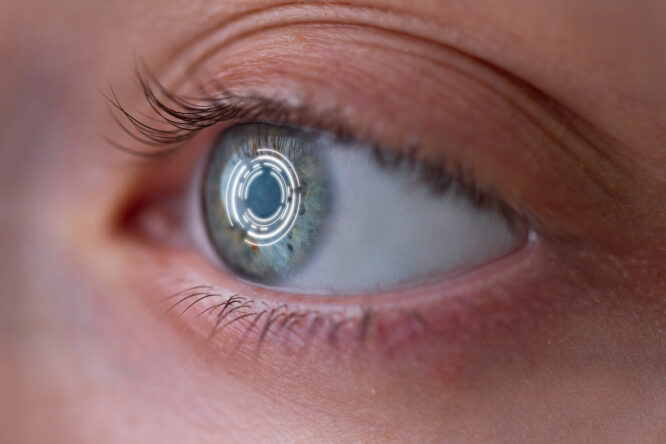
Eye photos like these are already taken regularly for people with conditions like diabetes or glaucoma, so the equipment and process already exist in most eye clinics. That means doctors might not need any new fancy tools to start using this information.
If these scans really can flag early risk, they could become a simple extra check during a routine eye test, helping doctors spot people who might benefit from lifestyle changes or further testing much earlier than before.
The eye might reveal more than just brain health.

Alzheimer’s isn’t the only thing scientists think the eye might reveal. Some studies suggest retina scans could even hint at a person’s bone health or their general risk of dying earlier than expected. This has led some researchers to describe the retina as a kind of window into the body’s overall health, rather than just a tool for checking eyesight.
What still needs to happen next
Right now, this research only shows a connection between certain eye patterns and Alzheimer’s risk, not direct proof that one definitely causes the other. Scientists say more research is needed to fully understand why these changes happen and what they really mean.
Still, the idea that something as simple as an eye photo could one day help spot serious health risks early is a promising step, and one that could end up helping far more people than just those worried about Alzheimer’s.