Most people know the basics about how the human body works—where the heart is, that we need oxygen to breathe, and that breaking a bone hurts.
That being said, there’s a pretty large gulf between that primary school level of biology and the incredibly complex, deep medical knowledge required to actually understand our internal systems. This quiz isn’t interested in asking you to label a basic skeleton; it’s a fast-paced challenge packed with advanced questions about obscure physiological processes, intricate nerve pathways, and complex biochemical reactions.
If you can move through these questions without getting completely stuck, your brain is clearly wired for medicine, and you probably missed your true calling in the operating theatre.
Which organ is this?
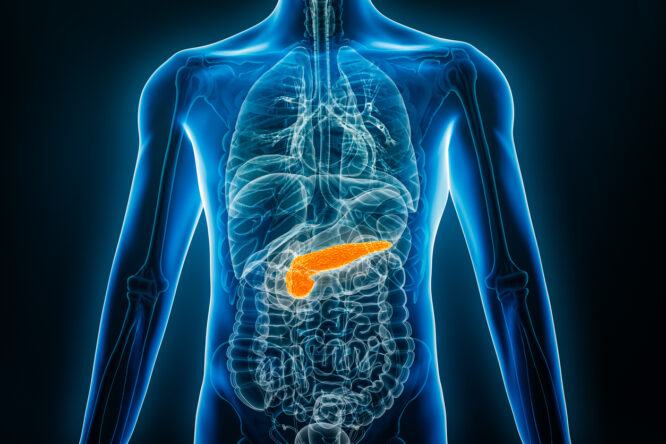
A) Liver
B) Pancreas
C) Small intestine
D) Esophagus
What is highlighted in this picture?
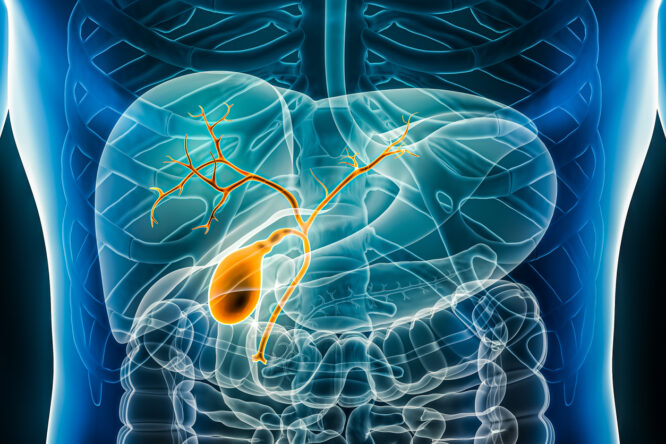
A) Lungs and diaphragm
B) Gallbladder and bile duct
C) Kidneys and appendix
D) Kidneys and bladder
Which organ system is this?
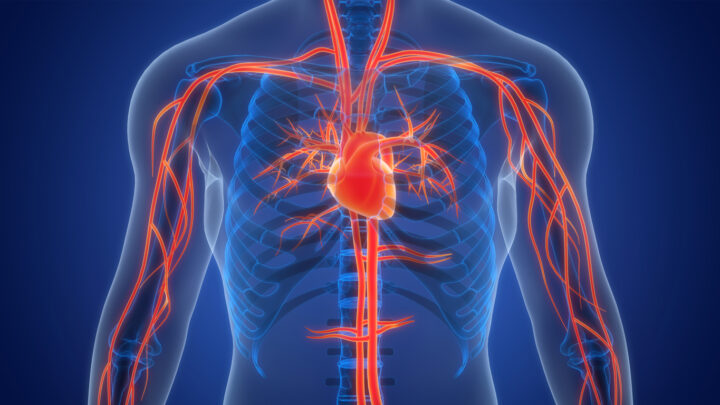
A) Respiratory
B) Endocrine
C) Circulatory
D) Immune
And this?
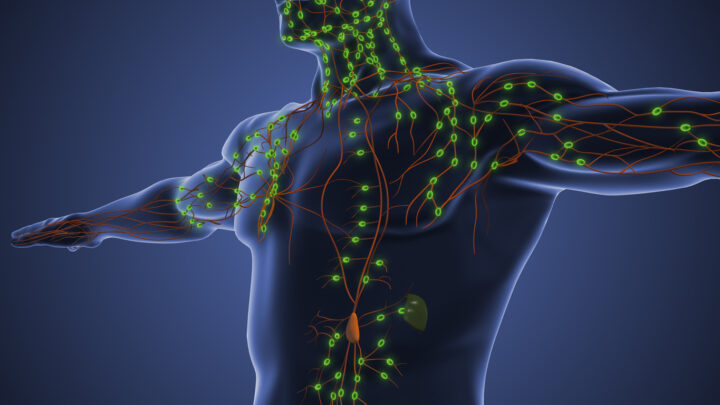
A) Endocrine
B) Excretory
C) Lymphatic
D) Digestive
This is the collarbone. True or false?
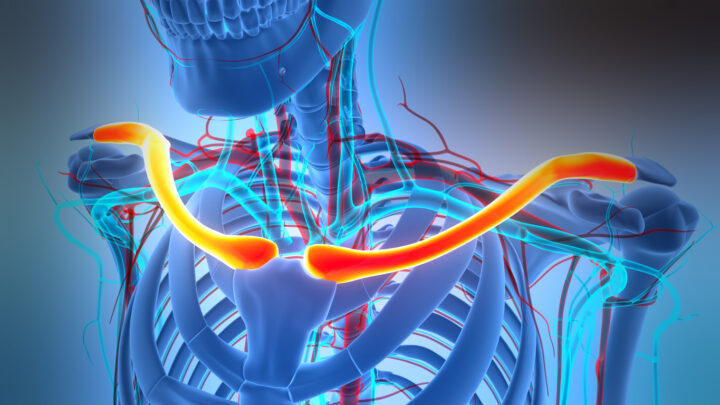
A) True
B) False
What are these bones called?
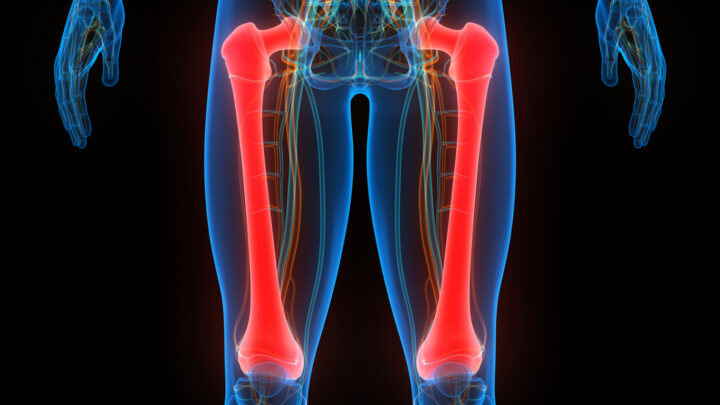
A) Tarsus
B) Femur
C) Tibia
D) Gian and Giovani
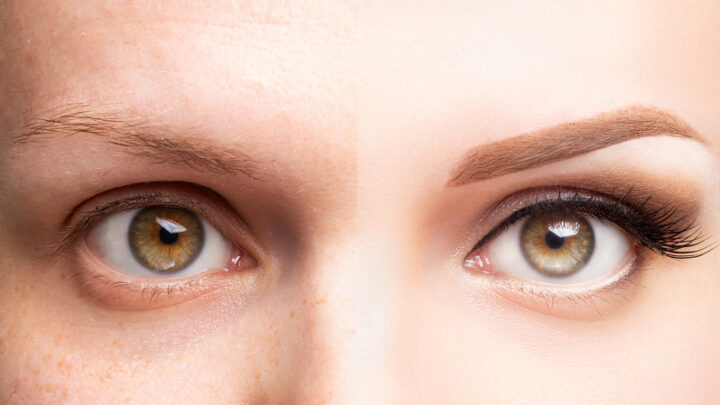
The little black dot in the middle of the eye is the…

A) Iris
B) Retina
C) Pupil
D) Cornea
What is the main function of the eyebrows?
A) To attract other human beings
B) To protect the eyes from sweat, water and other residue
C) It doesn’t do anything currently, but it protected our ancestors from the cold
D) To protect the face from light bumps
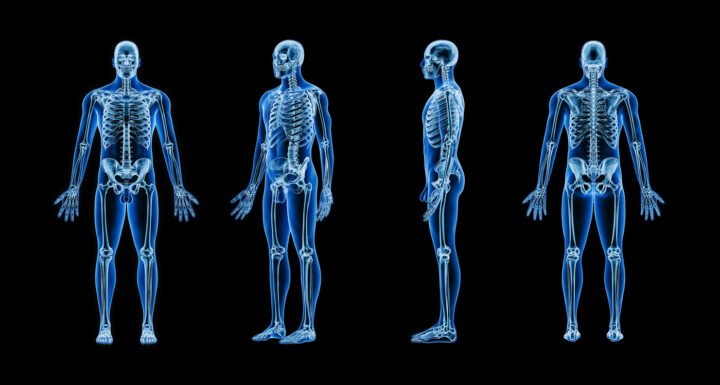
Approximately how much of the human body is made up of water?
A) Between 10% and 20%
B) Between 40% and 50%
C) Between 60% and 70%
D) Between 80% and 90%
Which of these substances is NOT a secretion?

A) Saliva
B) Tears
C) Sweat
D) Mucus
E) Blood
F) Bile
Which is the largest organ in the human body?

A) Liver
B) Brain
C) Skin
D) Lungs
How many bones does the average adult human have?

A) 106
B) 206
C) 306
D) 406
Which organ pumps blood around the body?
A) Liver
B) Lung
C) Kidney
D) Heart
Which part of the body contains the smallest bones?
A) Hand
B) Foot
C) Ear
D) Nose
Which body system is responsible for carrying oxygen around the body?

A) Digestive system
B) Nervous system
C) Circulatory system
D) Skeletal system
Answers

1. Liver — The liver performs hundreds of jobs, including filtering toxins from the blood and helping digest food.
2. Kidneys and bladder — The kidneys filter waste from the blood, while the bladder stores urine until it leaves the body.
3. Circulatory — This system includes the heart, blood, and blood vessels that transport oxygen and nutrients.
4. Lymphatic — The lymphatic system helps fight infection and removes excess fluid from body tissues.
5. True — The collarbone is also known as the clavicle and connects the arm to the body.
6. Tibia and fibula — These are the two long bones found in the lower leg between the knee and ankle.
7. Pupil — The pupil changes size to control how much light enters the eye.
8. To protect the eyes from sweat, water and other residue — Eyebrows help stop moisture running directly into the eyes.
9. Between 60% and 70% — The average adult body is roughly 60% water, though this varies with age and body composition.
10. Blood — Blood is a connective tissue, not a secretion produced by a gland.
11. Skin — The skin covers the entire body and is the body’s largest organ.
12. 206 — Babies are born with more bones, many of which fuse together as they grow.
13. Heart — The heart beats around 100,000 times each day and pumps blood throughout the body.
14. Ear — The smallest bones in the body are located in the middle ear and help with hearing.
15. Circulatory system — This system works with the lungs to deliver oxygen to tissues throughout the body.
How many did you get right? If you scored 12 or more, your knowledge of the human body is stronger than most people’s.