The idea of downsizing tends to creep up on people slowly rather than overnight.

One day, you notice you’ve not been in the spare room for months, the garden is starting to feel like a part-time job, and the heating bills are quietly making you wince. Moving to something smaller can feel like a huge upheaval, but plenty of people who’ve done it end up wishing they had years earlier.
If downsizing seems like right decision for you, here’s an honest, practical guide to doing just that, from working out whether the time is right to handling both the practical and emotional sides of letting things go.
Downsizing is more common than you’d probably think.

Downsizing is far more popular than most people realise. Recent figures suggest around 15% of UK homeowners are planning to move to a smaller property within the next five years, which works out to more than six million adults. In London, where housing costs are highest and city flats often suit older life better than family homes, that figure climbs to one in four homeowners.
Among people over 65, nearly a third have already downsized in recent years. By the time people pass 75, almost half have done so. So if you’re considering it yourself, you’re in seriously good company. The trend is also creeping younger, with plenty of people in their fifties and early sixties downsizing while they’re still active and able to fully enjoy the lifestyle changes that come with it.
How do you know it’s the right time?

The signs you’re ready often appear quietly. Maybe you’ve started avoiding certain rooms because they’re cold, dusty, or unused. Perhaps the cost of running a big home is eating into your retirement plans, or repairs have become a constant low-level worry. Sometimes it’s simpler than that, with a growing sense that your current home no longer fits the life you’re actually living.
Doing the sums can be revealing. Selling a larger home and moving to something smaller can release a significant chunk of cash, clear a mortgage, and slash monthly bills in one go. The savings on council tax, energy, insurance, maintenance, and garden upkeep often add up to thousands of pounds a year. Add in the relief of not having an empty four-bedroom house to clean, and the appeal becomes obvious.
Downsizing comes with lifestyle perks that many people don’t expect.
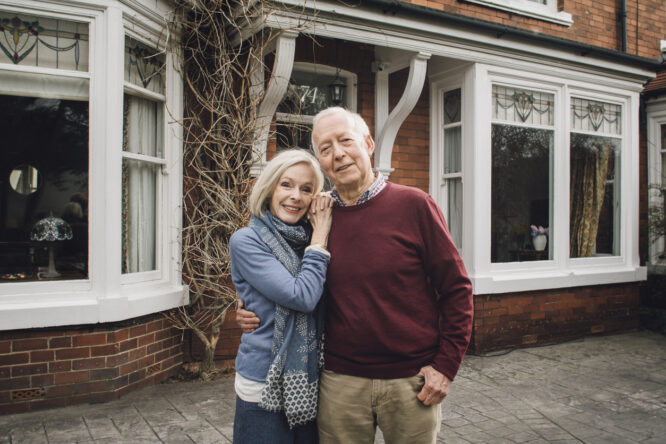
Beyond the money, downsizing often improves daily life in ways that surprise people. Moving closer to a town centre means walking to the shops, the pub, or your favourite cafe instead of relying on the car. Being nearer to family and friends makes spontaneous visits possible again. A smaller, more modern home is often warmer, easier to heat and far less of a slog to look after.
For some people, downsizing also opens the door to a fresh community. Flats or retirement villages with shared spaces, gardens or social events can create connections that big private homes simply don’t. New views, new neighbours and new daily routines can add years of vitality to your later life. It’s common to hear downsizers say they wish they’d made the move years sooner.
Making the decluttering job manageable is easy.
 Source: Unsplash
 The thought of sorting through decades of belongings is what stops many people from downsizing in the first place. The trick is to break it into small, manageable chunks, rather than tackling the whole house at once. Pick one room and start with the smaller, easier bits, like a wardrobe, a chest of drawers or a single cupboard. Each little win gives you confidence to tackle the next one.
Start the process early, ideally as soon as you’ve decided to put your home on the market. Decluttering before viewings actually makes your house show better to potential buyers, since rooms look bigger and tidier. It also takes the pressure off, since you’re not trying to do everything in the few stressful weeks between accepting an offer and the actual move.
Use the keep, sell, donate and bin system.
A simple sorting system works wonders. Try four piles: keep, sell, donate, and bin. Anything you’ve used in the last year and genuinely love goes in the keep pile. Items still in good condition that no longer suit you can be sold via second-hand sites, local Facebook groups or auction houses, especially for things like furniture, china, or collectables.
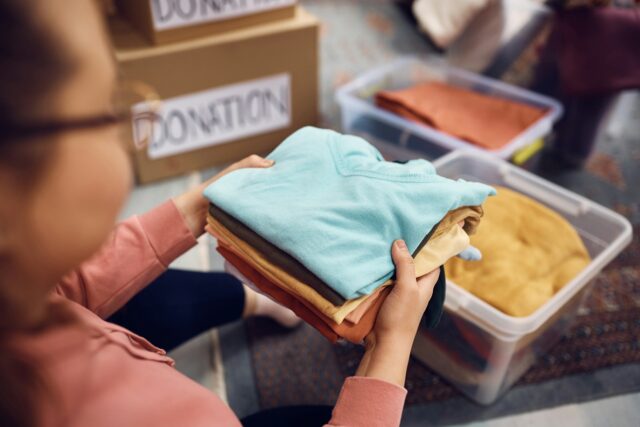
Donations of clothes, books, kitchenware, and bric-a-brac can go to charity shops, food banks, hospices, or local community projects. Extremely worn-out items or anything broken should go in the bin or be taken to the recycling centre. Try to be honest with yourself about each item. If you wouldn’t go and buy it again today, it’s probably time for it to find a new home.
Let go of the duplicates and family-sized sets.

One of the easiest places to start is in the kitchen, where most households quietly accumulate way more than they need. Do you really need six different baking trays, four casserole dishes and a set of cake tins you haven’t used since the 1990s? Family-sized sets of crockery and cutlery are particularly worth thinning out, especially if your day-to-day life doesn’t involve big dinner parties.
The same goes for bedding, towels, gardening tools, decorations, and DIY supplies. Most households have at least three of certain items where one would do. Reducing duplicates is one of the quickest ways to shed a serious amount of stuff without it feeling emotionally difficult, since you’re not really losing anything that mattered to you.
Measure up before you move.
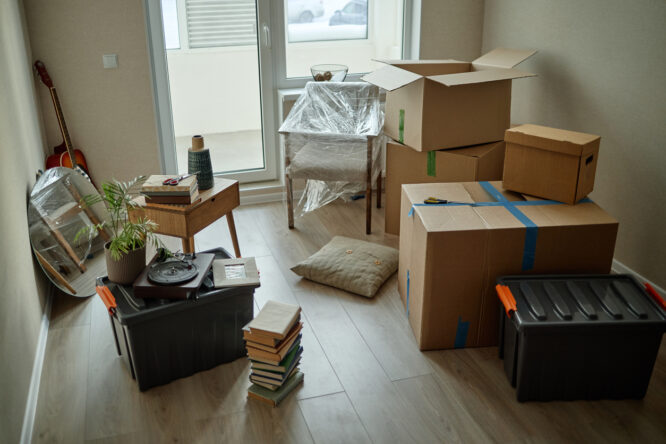
Once you know where you’re heading, use the floor plan of your new home to make practical decisions about what to take with you. Big sofas, wardrobes and dining tables that fit perfectly in your current house might be a disaster in a smaller flat. Measuring up before the move saves you the awful experience of unloading a moving van, only to find your favourite armchair won’t fit through the door.
Take photos of your existing rooms to remind yourself what’s there. Check the storage space carefully, since modern flats often have far less built-in storage than older houses. A bit of careful planning ahead of moving day stops you carting unnecessary furniture across the country only to dump it the moment you arrive.
Handle the emotional side with care.

Downsizing isn’t just a practical job, it’s an emotional one too. Letting go of a family home where you raised your children, hosted Christmases or simply lived for many years can stir up complicated feelings. It’s completely normal to feel sad alongside the excitement, and giving yourself time to process that is important.
One small trick that helps is to reframe how you think about the move. Some people prefer calling it “rightsizing” rather than downsizing, since it suggests choosing a home that better fits the life you actually want to live now. Focusing on what you’re gaining, including more time, less stress, a fresh community and financial freedom, rather than what you’re leaving behind, makes the whole process feel more positive.
Focus on capturing memories without keeping the clutter.

A surprising amount of the emotional weight in our homes lives in objects we’ve held onto for years. The trouble is, the memories attached to those items don’t actually live in the items themselves. Take photos of meaningful objects you can’t bring with you, including the children’s old artwork, your wedding china, or the dining table that hosted so many family meals.
Putting these photos into a memory book or digital album lets you keep the connection without the storage problem. For specific items, ask family members if they’d like to take any of them. A grandparent’s clock or set of china often means a huge amount to a grandchild starting out in their first home, and gifting things in your lifetime is far nicer than having them dealt with after you’re gone.
The financial side is worth planning carefully.

Downsizing usually frees up a chunk of money, but the way you handle that cash matters. Speak to a regulated financial adviser before you move, especially if the equity from your old home will be significant. They can help you think about pensions, ISAs, premium bonds and other tax-efficient ways to make the money work harder for you in retirement.
Be careful about what you spend the windfall on, too. It’s tempting to splurge on a brand-new car, an expensive holiday or a kitchen upgrade in your new place, but it pays to think long-term. The cash from downsizing is often the biggest lump sum you’ll ever have access to, so making sure it lasts into your later years is genuinely important. A bit of professional advice is well worth the cost.
Don’t forget the practical admin.

Once you’ve made the decision, there’s a stack of practical jobs that quietly need doing. Notify your bank, energy suppliers, broadband provider, GP, dentist, pension provider, council, insurer, the DVLA, and anyone else who sends you post. Set up a mail redirection service for the first few months to catch anything you’ve forgotten about. Make sure your home insurance is sorted for the new property, especially if you’re moving into a leasehold flat where building cover might not be needed.
It’s also worth making a quick list of where you’ve put everything during the move, especially important documents like your passport, birth certificate, deeds, will, and pension paperwork. These tend to be the very things you can’t find in a panic three weeks after moving in, hidden in whatever box you packed them in last.
There’s a fresh start most downsizers don’t see coming.

What plenty of people don’t expect about downsizing is just how energising the whole process can be. Letting go of decades of stuff feels liberating once you get going. Walking into a smaller, simpler home, knowing every single item there is one you actually want, is genuinely lovely. The reduced cleaning, lower bills and less faff add up to a quietly better quality of life almost immediately.
Plenty of downsizers describe their new homes as the happiest they’ve ever been. The financial breathing room, the closer connection to family or community, and the freedom from the worry of looking after a too-big house all combine to make this one of the more positive moves you’ll ever make. Take it slowly, plan it carefully, and give yourself permission to enjoy the change. The version of your life that’s waiting on the other side might be a lot better than you’d dared imagine.